
Beautiful Plants For Your Interior
Beautiful Plants For Your Interior
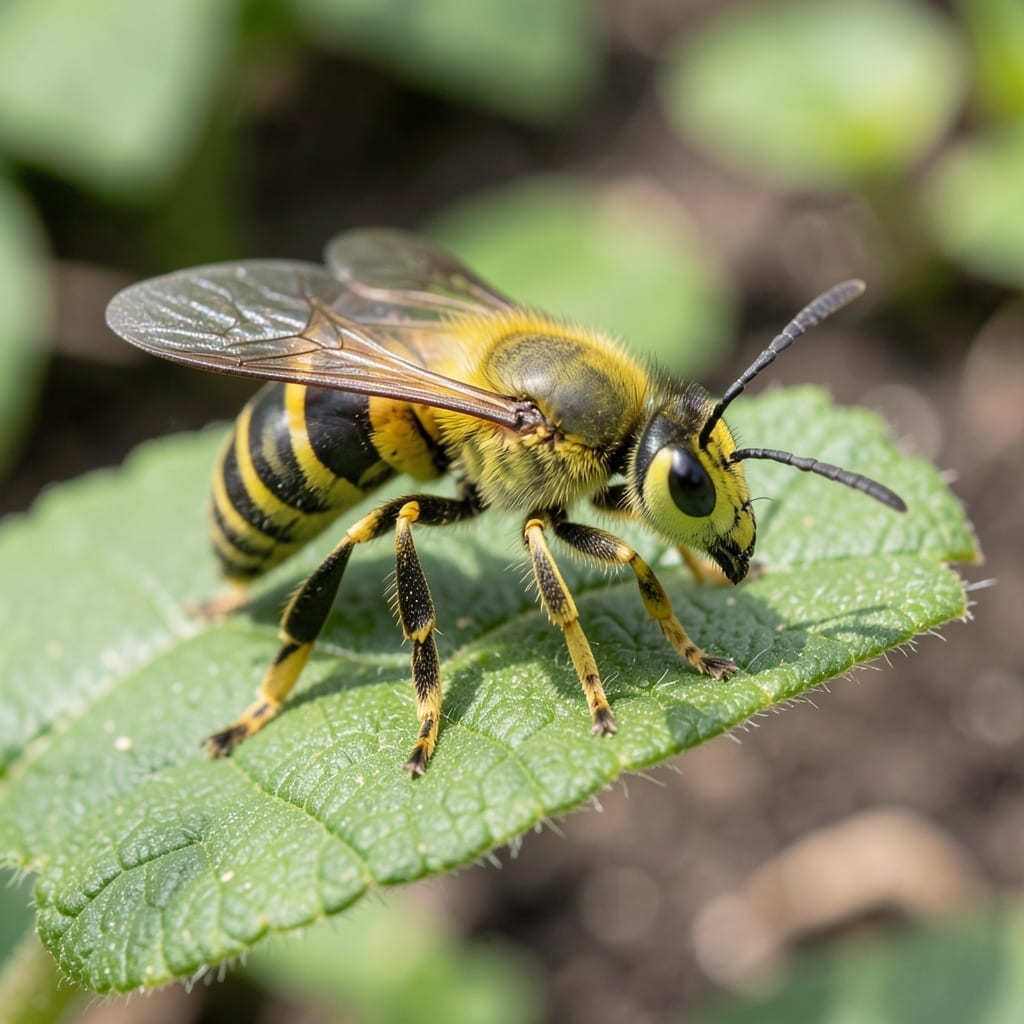
I’ve had my share of run-ins with yellow jackets while tending the garden. These striped insects are more than just a nuisance—they pack a painful sting and can turn aggressive when disturbed.
They’re drawn to sweet smells, overripe fruit, and open food, which means your garden can become their buffet without warning. Unlike bees, they don’t lose their stingers, so they can attack repeatedly.
Here’s the thing—they’re most active in late summer when colonies are at their peak. Keeping food and trash sealed, and avoiding strong fragrances, helps deter them without harming your plants or beneficial pollinators.
Stay alert, and you’ll keep both your garden and yourself safe from their sharp temper.
Yellow jacket wasps are not inherently aggressive, but they will sting when they feel threatened or their colony is disturbed. Understanding the triggers behind their defensive behavior can help you avoid dangerous encounters. Below are the primary reasons why these wasps may become aggressive.
Yellow jackets are fiercely protective of their nests. Unlike bees, which often die after stinging, yellow jackets can sting repeatedly. When they perceive a threat—such as a person or animal approaching their nest—they release pheromones to signal other wasps to attack. This coordinated defense mechanism makes them particularly dangerous in large numbers.
In late summer and early fall, yellow jackets become more aggressive as they scavenge for protein and sugars to feed their colony. They are attracted to sweet or meaty foods, such as picnics, garbage cans, or pet food left outdoors. If they feel their food source is being threatened, they may sting to protect it.
Even unintentional actions can provoke yellow jackets. Swatting at them, stepping on their nest, or wearing strong perfumes (which they may mistake for floral scents) can trigger an attack. Their sharp vision detects sudden movements, so staying calm and still is crucial if you encounter them.
Yellow jacket behavior changes with the seasons. In late summer, colonies reach peak population, and food becomes scarcer, increasing their aggression. By fall, colonies begin to decline, but workers become more erratic and defensive as they search for sustenance before winter.
Dealing with yellow jacket wasps requires a mix of caution and quick action. Below are practical solutions to address common encounters, along with prevention tips to keep these stinging insects at bay.
Yellow jackets aggressively defend their nests, so do not attempt to remove one yourself. Instead:
Yellow jackets are attracted to sweet and protein-rich foods. To minimize their presence:
💡 Pro tip: Use wasp traps far from human activity areas to lure them away from your space.
Yellow jacket stings can be painful and, for some, dangerous. Follow these steps:
Stop yellow jackets from becoming a problem in the first place:
Yellow jackets have smooth, shiny bodies with bright yellow and black stripes, while bees are fuzzier with more muted colors. Bees also have a narrower waist, while yellow jackets have a more defined “wasp waist.”
Colonies peak in size during late summer, making food scarce. This scarcity increases competition and triggers defensive behavior. Workers become more erratic while searching for sustenance before winter.
Stay calm and still. Do not swat at it. Gently brush it away with a slow, smooth motion or wait for it to fly off. Sudden movements can trigger an attack.
No, yellow jackets can sting repeatedly because their stingers remain intact. This makes them more dangerous, especially when defending their nest in groups.