
Beautiful Plants For Your Interior
Beautiful Plants For Your Interior
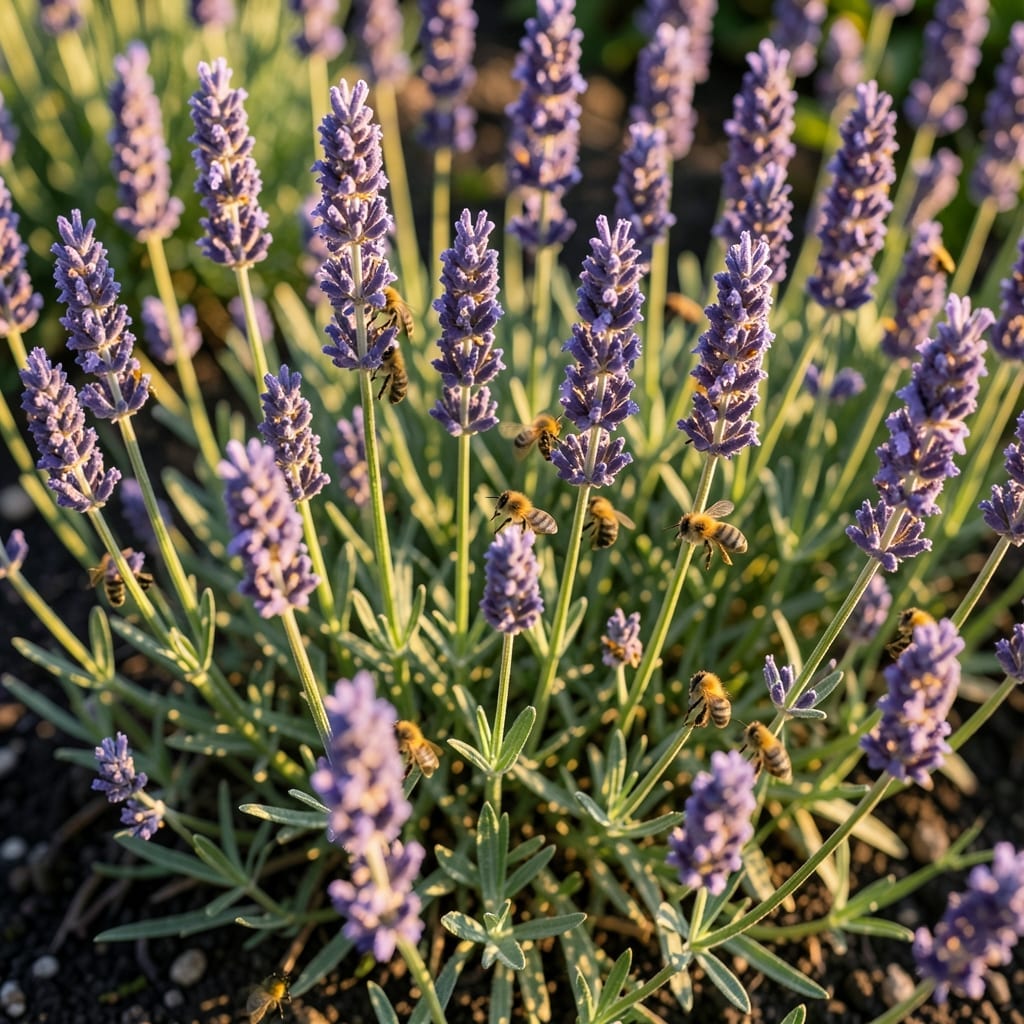
Yes, Las Vegas has diverse bee populations including honeybees, bumblebees, and native solitary bees that thrive in desert gardens and natural areas.
I’ve seen these industrious pollinators buzzing around local parks and even my backyard, drawn to drought-resistant flowers like desert marigolds. 🌟 The Mojave Desert’s unique climate supports over 1,000 native bee species in Nevada, many adapted to arid conditions with specialized water-collection behaviors. Their presence is vital for maintaining biodiversity in urban and wild landscapes alike.
💡 In This Article
The Mojave Desert hosts specialized pollinators like the desert bumblebee, which has evolved a longer tongue to reach nectar in deep tubular flowers such as penstemons. These bees often nest underground in abandoned rodent burrows, taking advantage of the desert’s stable subterranean temperatures. Their fuzzy bodies help collect pollen more efficiently than smooth-bodied species. 🌟
Solitary bees, including mason bees and leafcutter bees, make up about 90% of Nevada’s native species. Unlike honeybees, they don’t live in hives but instead create individual nests in wood or soil. Mason bees, for example, use mud to seal their egg chambers, while leafcutter bees cut precise circles from leaves to line their nests.
These species are incredibly efficient pollinators, with a single mason bee doing the work of 100 honeybees. ⚡
Honeybees, though not native, have adapted remarkably well to Las Vegas’ urban environments. Local beekeepers report hives thriving on residential rooftops and community gardens, with bees foraging up to 3 miles from their hives. The city’s year-round flowering plants, from desert willows to citrus trees, provide consistent food sources that support these colonies. 💫
Nocturnal bees, like some species of sweat bees, avoid the desert’s extreme daytime heat by pollinating night-blooming flowers. Their metallic green or blue bodies shimmer under moonlight as they collect nectar from plants like evening primrose. This adaptation allows them to conserve water and energy while other pollinators rest. ✨
Each species plays a distinct role in the ecosystem. Bumblebees perform “buzz pollination,” vibrating flowers to release pollen that other bees can’t access. Solitary bees often specialize in particular plants, creating tight symbiotic relationships. This diversity ensures that even in harsh desert conditions, 80-90% of flowering plants can be effectively pollinated. 🔥
Honeybees, desert bumblebees, and solitary bees like mason and leafcutter bees are most common. Bumblebees thrive in cooler areas like Red Rock Canyon, while solitary bees often nest in desert soils.
They pollinate 80-90% of native plants, including cacti and wildflowers. Without them, many desert species would struggle to reproduce, disrupting the entire food chain.
Plant native flowers and provide a shallow water source with pebbles. Observe from a distance, especially near nests, and avoid swatting at them. Bees are generally docile when undisturbed.
Yes! The Mojave Desert hosts specialized species like the metallic green sweat bee, which pollinates night-blooming plants. These bees have adapted to extreme heat and limited water.