
Beautiful Plants For Your Interior
Beautiful Plants For Your Interior
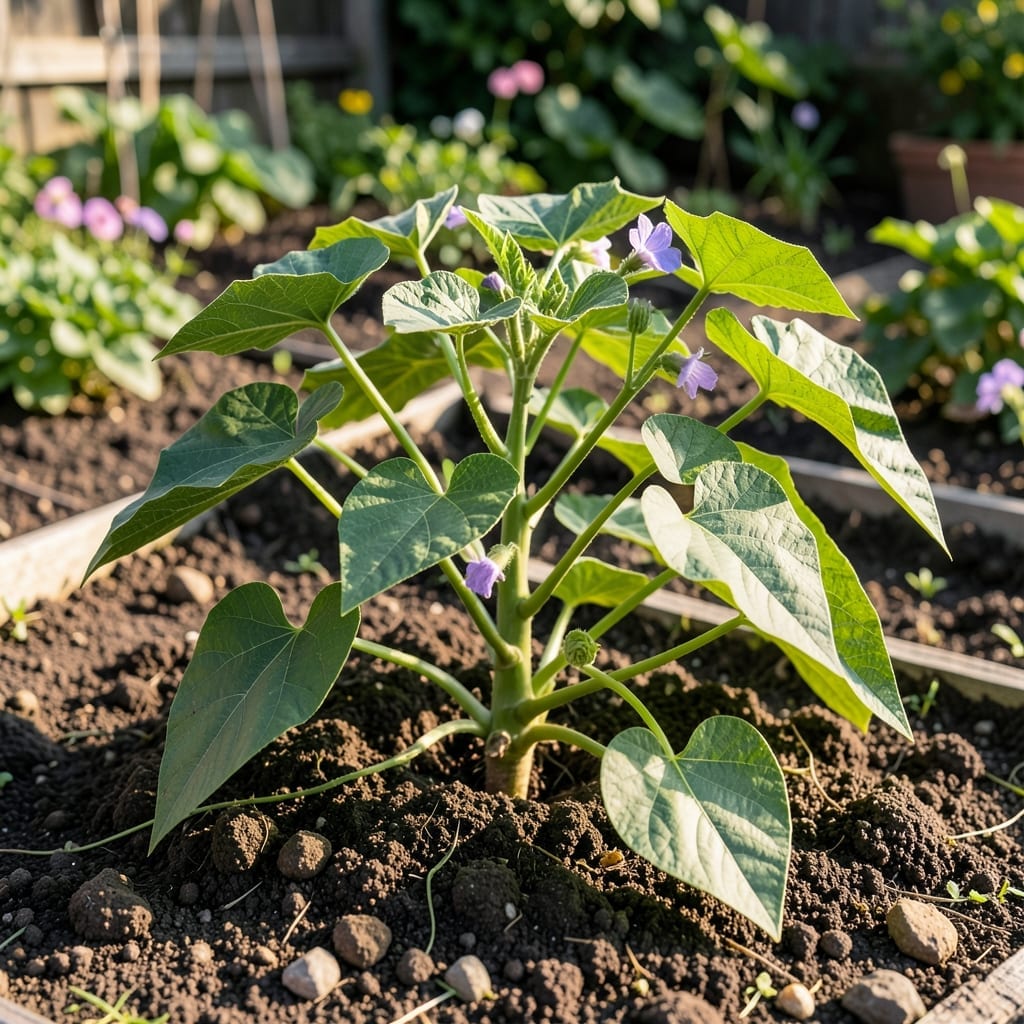
Sweet potatoes are tender perennials in warm climates but typically grown as annuals in cooler regions due to frost sensitivity. They can regrow from slips if conditions remain favorable year-round.
In tropical zones like USDA zones 9-11, the vines thrive year after year, producing new tubers each season without replanting. 🔥 What makes this possible is the plant’s ability to survive mild winters and regenerate from existing roots or vine cuttings. I’ve seen gardeners in these regions harvest continuously for years with minimal effort, as long as the soil stays unfrozen and well-drained.
💡 In This Article
Sweet potatoes thrive as perennials in USDA zones 9-11 because their vines cannot survive temperatures below 50°F. The tubers remain dormant in warm soil, sprouting new vines when conditions improve. This cycle continues indefinitely as long as frost never touches the soil. 🔥
The magic happens through a process called “slipping.” When vines reach 6-12 inches long, they can be cut and rooted to produce new plants. In tropical climates, this allows continuous production without replanting. The tubers themselves act as storage organs, holding energy for the next growth cycle.
Frost is the limiting factor in cooler regions. When soil temperatures drop below 55°F, tuber formation stops and vines die back. Gardeners in zones 3-8 must treat sweet potatoes as annuals, planting slips each spring after the last frost date. The vines grow rapidly in warm weather, producing harvestable tubers in 90-120 days. ✨
What’s fascinating is the plant’s adaptability. In marginal zones like 8-9, you can sometimes overwinter sweet potatoes with heavy mulch. The tubers survive underground while the vines die back, then regrow when warmth returns. This semi-perennial approach requires careful soil management and frost protection.
For continuous harvests, the soil must stay consistently warm and well-drained. Standing water causes tubers to rot, while cold soil triggers dormancy. In ideal conditions, a single planting can produce for 3-5 years before needing replacement. The vines spread aggressively, often reaching 10-20 feet in length when unchecked. 💫
No, they cannot survive freezing temperatures. In zones 3-8, frost will kill the vines and damage tubers. Gardeners must harvest before the first frost or grow them as annuals each year.
Check your USDA zone. If you’re in zones 9-11 with year-round temperatures above 50°F, your sweet potatoes can grow as perennials. Cooler zones require annual replanting of slips.
Yes, but choose organic tubers as non-organic may be treated to prevent sprouting. Place in water to sprout slips, then plant when roots reach 1-2 inches long. This works best in warm climates.
With proper care, a single planting can produce for 3-5 years. The vines spread up to 20 feet, but pruning helps maintain productivity and plant health.