
Beautiful Plants For Your Interior
Beautiful Plants For Your Interior
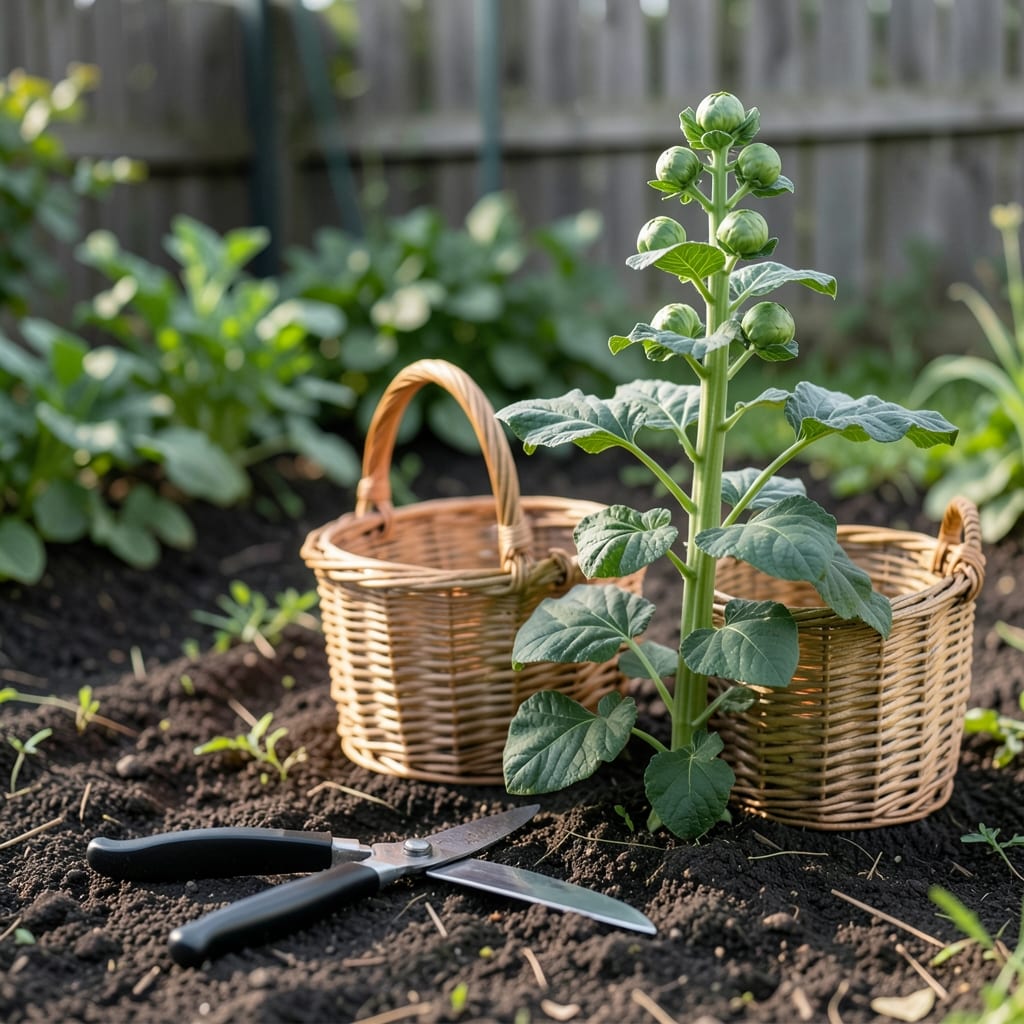
Sprouts are available year-round since they grow quickly indoors from seeds, requiring no seasonal outdoor conditions. They thrive in controlled environments regardless of the season.
I love that these tiny powerhouses don’t rely on outdoor weather patterns to flourish. 🌟 With just a jar, some water, and quality seeds, you can have fresh sprouts in as little as 3-5 days. This makes them one of the most accessible and sustainable ways to add nutrients to meals any time of year.
What’s even better is their versatility—alfalfa, mung bean, or radish varieties all grow well indoors. I keep a steady supply going in my kitchen to ensure I always have crisp, fresh greens on hand.
💡 In This Article
Sprouts bypass seasonal limitations because they germinate from seeds in a controlled microclimate. The process starts with soaking seeds for 8-12 hours, which activates enzymes that break down starches into simple sugars. This metabolic jumpstart allows sprouts to grow rapidly, often reaching harvest size in just 3-7 days under ideal conditions. 🔥
Indoor environments provide consistent temperature (65-75°F), humidity (40-60%), and light exposure—factors that outdoor seasons can’t guarantee. Unlike field crops that depend on soil temperature and rainfall, sprouts need only water, airflow, and indirect light. A windowsill or countertop becomes a perfect growing space year-round.
This controlled method eliminates weather-related risks like frost, drought, or pests. You’re essentially creating a miniature greenhouse where seeds transform into nutrient-dense greens. The lack of soil means no seasonal soil preparation or crop rotation is needed, making sprouts one of the most reliable indoor crops. ✨
The science behind this lies in the seed’s stored energy. Each seed contains all the nutrients needed for initial growth, requiring no external food source until the sprouts develop true leaves. This self-sufficiency, combined with their 2-3 inch harvest size, makes them uniquely adaptable to indoor cultivation regardless of the calendar.
What’s fascinating is how sprouts concentrate nutrients during germination. Studies show that vitamin C content can increase by 600% in the first few days of sprouting, while protein availability improves as complex molecules break down into more digestible forms. This nutritional boost happens consistently, whether it’s January or July. 💫
No, they require only indirect light. A windowsill works, but even a kitchen counter with ambient light is sufficient. Direct sunlight can dry them out or overheat the seeds.
Fresh sprouts stay crisp for 3-5 days when stored dry in an airtight container with a paper towel to absorb moisture. Rinse before using if they’ve been refrigerated.
Avoid using store-bought seeds meant for planting—these may be chemically treated. Always choose seeds labeled specifically for sprouting to ensure safety and optimal growth.
A musty odor usually means poor airflow or infrequent rinsing. Increase rinsing to 3 times daily and ensure your container isn’t overcrowded. This prevents mold and bacteria buildup.