
Beautiful Plants For Your Interior
Beautiful Plants For Your Interior
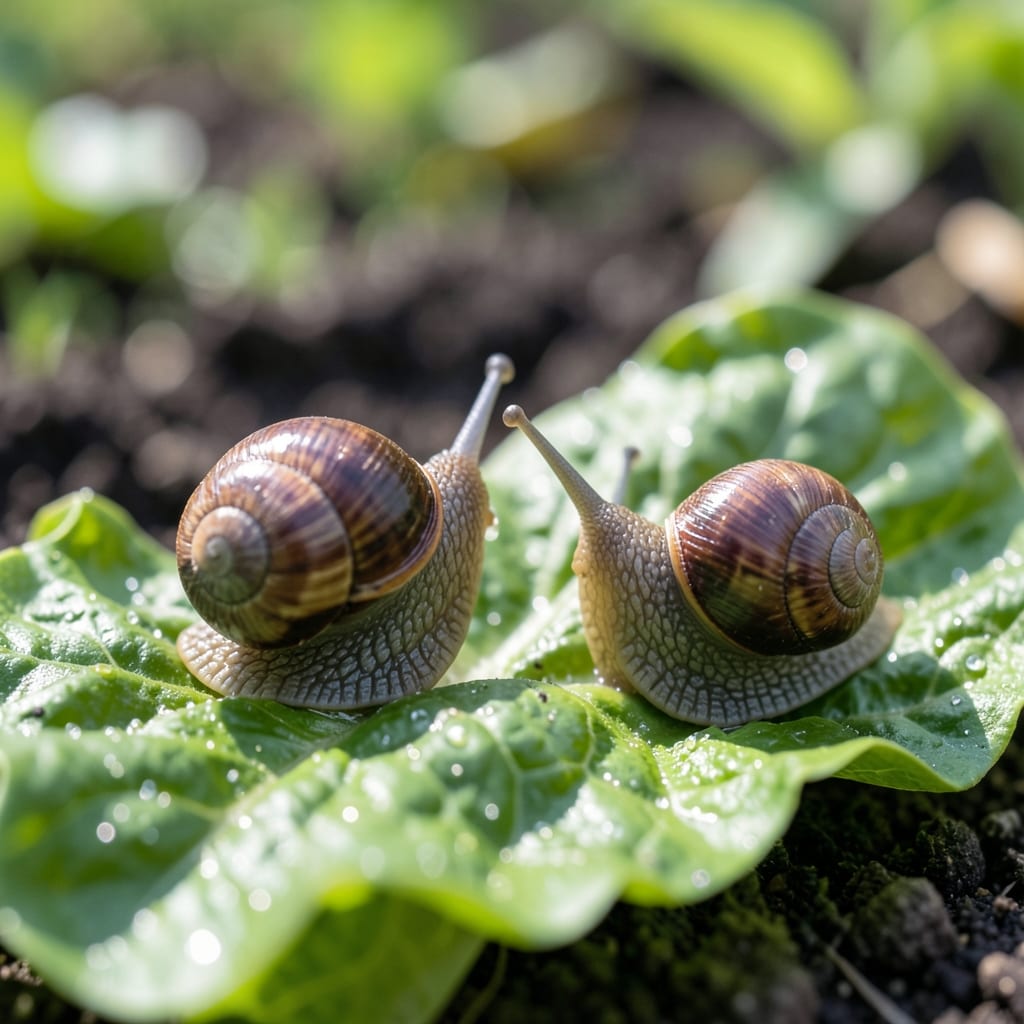
Snails can benefit gardens by breaking down organic matter and enriching soil, but they often harm plants by eating leaves, flowers, and vegetables, making them a mixed blessing.
I’ve seen firsthand how these slow-moving creatures can aerate soil as they burrow, which improves root growth for many plants. 🔥 Their waste also adds valuable nutrients that boost soil fertility over time. However, their appetite for tender seedlings and leafy greens often outweighs these benefits if their numbers aren’t controlled.
💡 In This Article
Snails play a surprising role in breaking down dead plant material. As they consume leaves, stems, and fruit, their digestive systems accelerate decomposition by 50-70% compared to natural decay. This process releases nitrogen, phosphorus, and potassium back into the soil, creating a natural fertilizer effect that benefits future plant growth.
Their movement through soil creates tiny channels that improve aeration and water penetration. Studies show gardens with moderate snail activity can have 15-20% better water retention in the top 6 inches of soil. These micro-tunnels also help plant roots spread more easily, particularly for shallow-rooted vegetables like lettuce and radishes. 🔥
In compost piles, snails act as living mixers, consuming and redistributing organic matter. Their slime, which is 98% water, contains proteins that help bind soil particles together, improving overall soil structure. This is especially valuable in clay-heavy soils where drainage is typically poor.
However, their soil benefits come with a trade-off. The same decomposition process that enriches soil can also spread plant diseases. Snails often carry fungal spores and bacteria on their bodies and in their digestive tracts, which can infect healthy plants when they move between different areas of the garden.
For best results, aim for a balanced snail population of about 5-10 per square meter. This density provides soil benefits without causing significant plant damage. In raised beds, this natural soil enhancement can reduce the need for commercial fertilizers by up to 30% over a growing season. ✨
Yes, they accelerate decomposition by 50-70% compared to natural decay. They consume dead plant material and their waste enriches soil with nitrogen, phosphorus, and potassium, acting as a natural fertilizer.
They often eat leaves, flowers, and vegetables, especially young seedlings. A few snails are fine, but an unchecked population can quickly devastate a garden.
Encourage predators like birds and toads, or use barriers like 6-inch copper tape. Beer traps and handpicking at night are also effective methods.
They tend to stay away from aromatic herbs like lavender, rosemary, and geraniums. Planting these can create natural deterrents in your garden.