
Beautiful Plants For Your Interior
Beautiful Plants For Your Interior
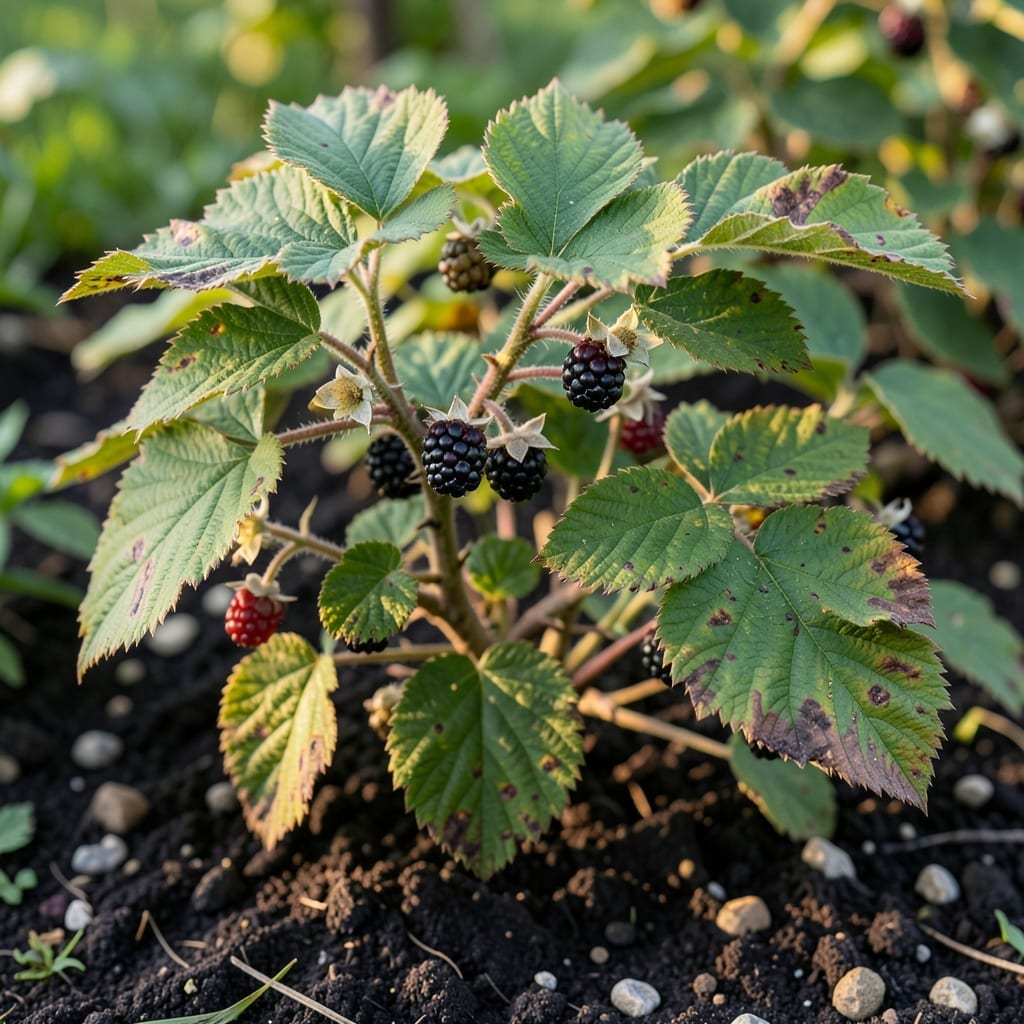
Nothing kills the joy of summer berries like watching your blackberry plants struggle with disease. I’ve lost entire canes to issues I didn’t catch early enough.
The good news is most blackberry diseases announce themselves with clear signs—spotted leaves, stunted growth, or canes that wither overnight. Learning to recognize these early saves you time, money, and heartbreak.
Prevention starts with simple habits: spacing plants for airflow, cleaning pruners between cuts, and removing old canes. These steps alone stop most problems before they begin.
When issues do appear, organic treatments like neem oil or copper sprays can turn things around. The key is acting fast and staying consistent.
Understanding the root causes of blackberry plant diseases helps you take proactive steps to protect your crop. Below are the primary triggers, explained scientifically for clarity and actionability.
Blackberry plants thrive in specific conditions. Excessive moisture from poor drainage or heavy rainfall creates a breeding ground for fungal pathogens like Botrytis cinerea (gray mold) and Phytophthora root rot. Conversely, drought stress weakens plants, making them vulnerable to pests and diseases. Temperature fluctuations, especially late frosts, can also damage tissues, allowing pathogens to enter.
Insects such as aphids, spider mites, and raspberry cane borers don’t just feed on blackberry plants—they transmit viruses and bacteria. For example, aphids spread the Blackberry Yellow Vein Disease, while borers create entry points for fungal infections. Regular monitoring and organic pest control are essential to break this cycle.
Overcrowding plants reduces airflow, increasing humidity and fungal spore spread. Improper pruning (e.g., leaving dead canes or using unclean tools) can introduce or spread diseases like Anthracnose. Additionally, nutrient deficiencies (e.g., low nitrogen or potassium) weaken plants, reducing their natural resistance to infections.
Soil can harbor harmful organisms like Verticillium and Fusarium, which cause wilt and root rot. These pathogens often persist in the soil for years, especially in poorly managed or previously infected plots. Crop rotation and soil solarization can help mitigate these risks.
When blackberry plant diseases strike, quick and targeted action can save your crop. Below are practical fixes for common issues, paired with prevention tips to keep your plants thriving.
Cut off infected canes immediately—this stops the fungus from spreading. Burn or trash the affected parts (do not compost). Apply copper fungicide in early spring as new growth appears. Prevention: Space plants for airflow, and water at the base to keep foliage dry.
Spray plants with a strong jet of water to dislodge mites. For severe cases, use neem oil or insecticidal soap, focusing on leaf undersides. Prevention: Keep the area weed-free and introduce beneficial insects like ladybugs. 💡 Pro tip: Mites thrive in dusty conditions—mulch to retain moisture.
This fungal disease is a death sentence for infected plants—remove and destroy them entirely. Replace with resistant varieties like ‘Natchez’ or ‘Ouachita’. Prevention: Avoid overhead watering and sanitize pruning tools with rubbing alcohol between cuts.
Prune out blighted canes 6 inches below visible damage. Sterilize tools after each cut to prevent further contamination. Apply baking soda spray (1 tbsp baking soda + 1 tsp dish soap + 1 gallon water) weekly. Prevention: Thin canes annually to improve air circulation.
For all diseases, cleanliness is key—remove fallen leaves and debris where pathogens hide. Rotate crops if replanting, and always start with disease-free stock from reputable nurseries. ✨
Purple spots often indicate anthracnose, a fungal disease that spreads in wet conditions. Remove infected leaves immediately and improve airflow between plants to prevent further spread.
Early-stage infections can often be treated with organic fungicides like neem oil or copper spray. However, severe cases like orange rust require complete removal to protect healthy plants.
Check your blackberry plants at least once a week during growing season. Look for early signs like discolored leaves, stunted growth, or unusual spots. Early detection is key!
Never compost diseased blackberry canes or leaves. Many pathogens survive composting and can reinfect your garden. Always dispose of infected material in the trash or burn it.