
Beautiful Plants For Your Interior
Beautiful Plants For Your Interior
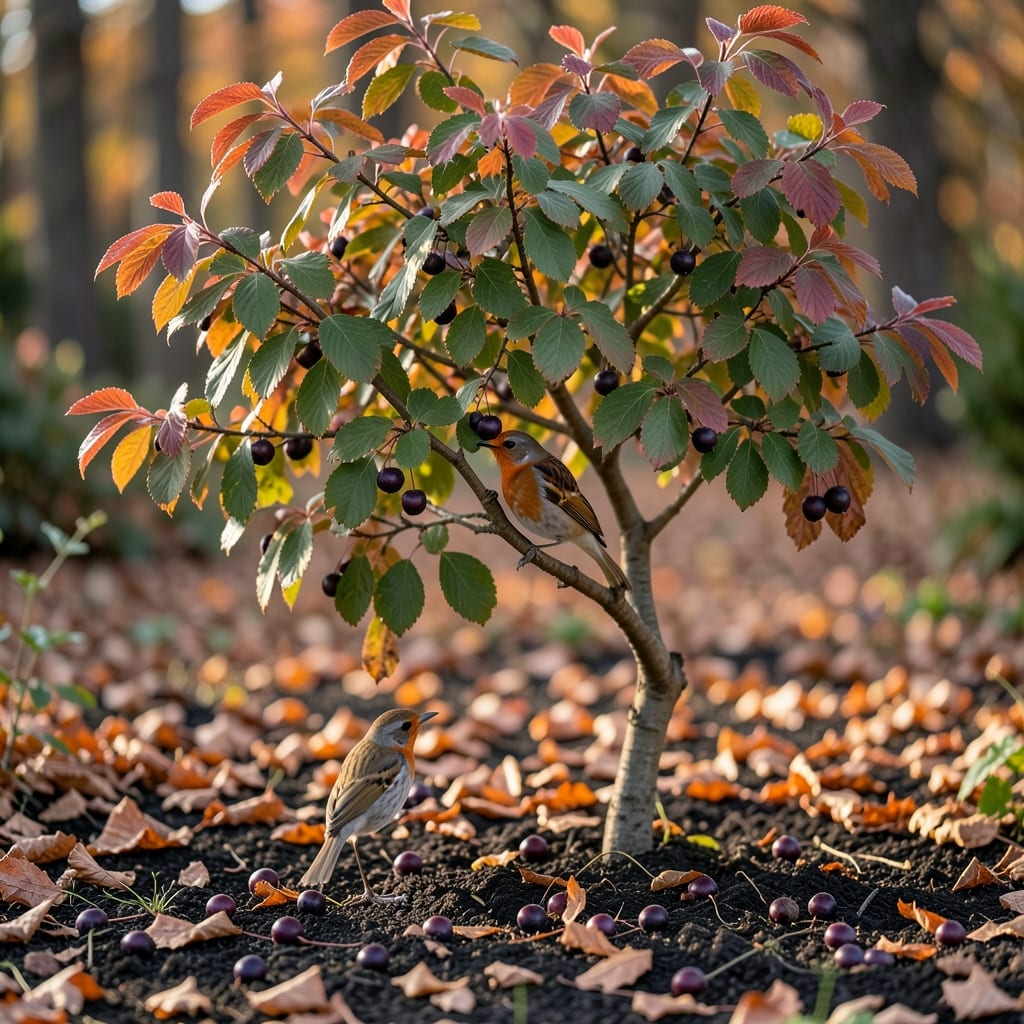
Serviceberry trees can be messy due to falling berries in summer and leaf drop in autumn, but the debris is relatively easy to manage with regular maintenance.
I’ve found these trees shed most heavily during two key seasons. In early summer, ripe berries drop and can stain sidewalks, while autumn brings a carpet of leaves that decompose quickly. The cleanup is straightforward—weekly raking and prompt berry removal keep most yards tidy. 🌟
What helps is their moderate size, making maintenance less daunting than with larger shade trees. Still, planting them away from patios or driveways can save you extra effort. ✨
💡 In This Article
The seasonal cycle of serviceberry trees is driven by natural processes. In early summer, the 1/4-inch diameter berries ripen and fall as they reach peak sugar content (around 12-15% Brix), attracting wildlife. This fruit drop typically lasts 2-3 weeks depending on the variety, with June bearing the heaviest load for most species. 🌟
Autumn leaf shedding is triggered by hormonal changes as daylight decreases. The trees produce abscisic acid, which forms a separation layer at the base of each leaf stem. Serviceberries often drop leaves 2-4 weeks earlier than oaks or maples, creating a concentrated cleanup period.
The leaves decompose rapidly due to their thin texture and moderate tannin content.
Tree health significantly impacts litter levels. Well-hydrated trees with balanced soil nutrients produce more fruit but also maintain stronger leaf attachment. Drought-stressed specimens may drop leaves prematurely, while over-fertilized trees can produce excessive berries that fall in heavy clusters. Regular watering (1-2 inches per week) helps maintain a predictable shedding pattern. ✨
What many don’t realize is that serviceberry debris serves an ecological purpose. The fallen fruit provides food for 40+ bird species, while the leaves create nutrient-rich leaf mold. This natural mulch improves soil structure over time, though it may require redistribution for even coverage.
Seasonal variations exist between species. Downy serviceberry (Amelanchier arborea) tends to drop fruit more gradually, while Allegheny serviceberry (Amelanchier laevis) often has a more synchronized berry release. These patterns help when planning landscape placement and maintenance schedules. 💫
They typically drop ripe berries for 2-3 weeks in early summer, usually peaking in June. The exact timing varies by species and climate.
Yes, serviceberry leaves break down rapidly due to their thin texture. They often decompose 2-4 weeks faster than oak or maple leaves, creating natural mulch.
The dark pigments can leave stubborn stains if not removed promptly. A bleach solution of 1 cup bleach to 1 gallon water works for cleanup.
Dwarf types like Amelanchier lamarckii produce less debris. Downy serviceberry also drops fruit more gradually, spreading out the cleanup.