
Beautiful Plants For Your Interior
Beautiful Plants For Your Interior
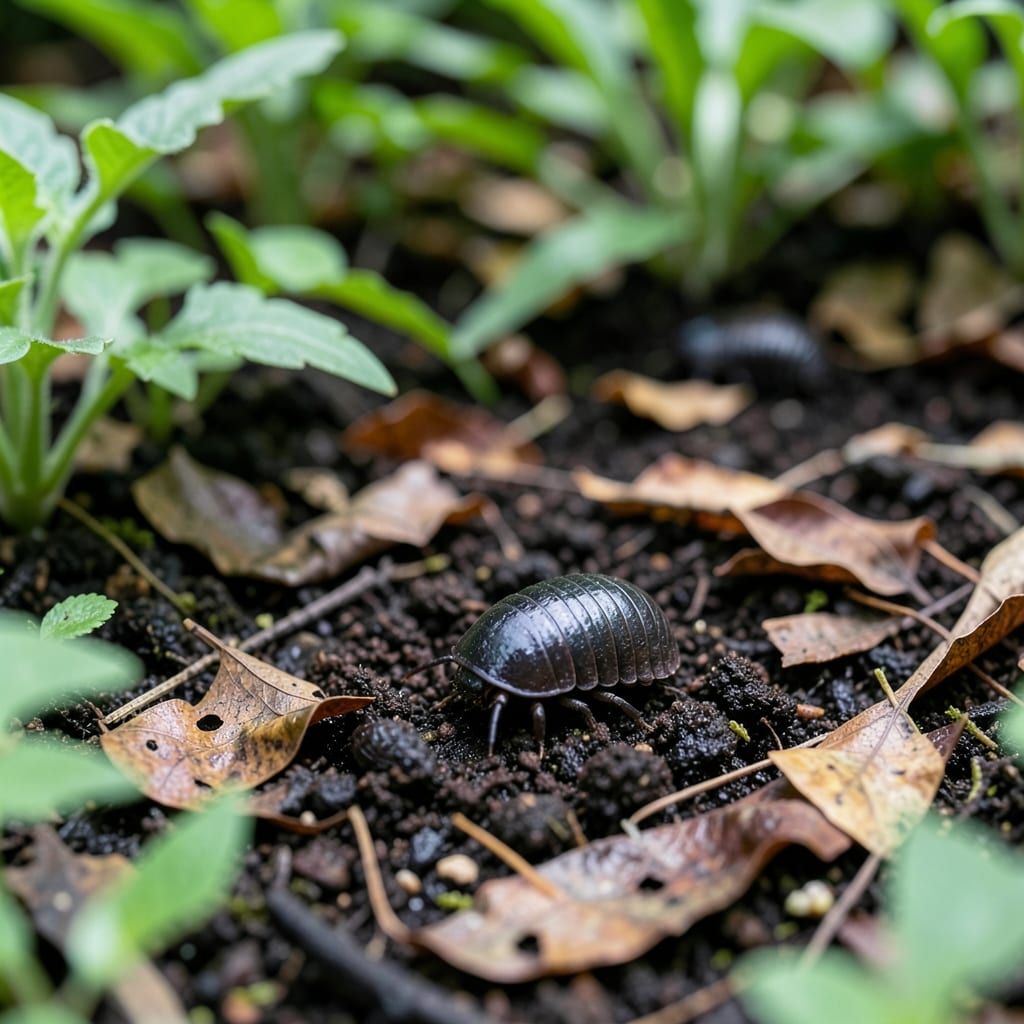
Roly polys, also known as pill bugs, are completely harmless to humans and pets. They don’t bite, sting, or transmit diseases, and they’re actually beneficial for gardens by breaking down organic matter.
I’ve seen these little creatures in my garden for years, and what fascinates me most is their role as natural recyclers. 🔥 They accelerate decomposition, turning dead leaves and plant debris into nutrient-rich soil that helps my plants thrive. These tiny arthropods are more like garden helpers than pests, and I’ve never once worried about them harming my family or pets. Their presence is actually a sign of healthy, balanced soil. ✨
💡 In This Article
These crustaceans lack venom glands, fangs, or stingers entirely. Their defensive strategy relies on curling into a protective ball, not aggression. This behavior, called conglobation, shields their soft underbellies from predators like birds or spiders. 🔥
Scientifically classified as isopods, they breathe through gill-like structures that require moisture. This limits them to damp environments and prevents them from surviving in dry human spaces like homes. Their mouthparts are adapted for shredding decaying plant material, not biting skin or fur.
Unlike ticks or mosquitoes, roly polys don’t feed on blood or transmit pathogens. Their digestive systems break down cellulose in dead leaves and wood, converting it into nutrients that enrich soil. This makes them more like tiny composters than pests. ✨
Even if accidentally ingested by curious pets, their hard exoskeletons make them difficult to chew and digest. Most animals spit them out immediately. Veterinarians consider them non-toxic, though large quantities might cause mild stomach upset due to their chitin content.
What’s truly remarkable is their role in the nitrogen cycle. As they consume organic matter, they excrete nitrogen-rich waste that acts as a natural fertilizer. This process happens at microscopic levels, with each isopod processing material up to half its body weight daily. ⚡
No, they completely lack venom glands, fangs, or stingers. Their only defense is curling into a ball. Their mouthparts are designed for eating decaying plants, not biting skin.
They’re non-toxic, though the hard shell may cause mild stomach upset. Most pets spit them out immediately. No lasting harm occurs from occasional ingestion.
They don’t transmit any known human or animal diseases. Unlike mosquitoes or ticks, they don’t feed on blood or spread pathogens. Their role is purely beneficial decomposition.
They only eat decaying organic matter, never healthy plants. In fact, their activity improves soil health, making them garden allies rather than pests.