
Beautiful Plants For Your Interior
Beautiful Plants For Your Interior
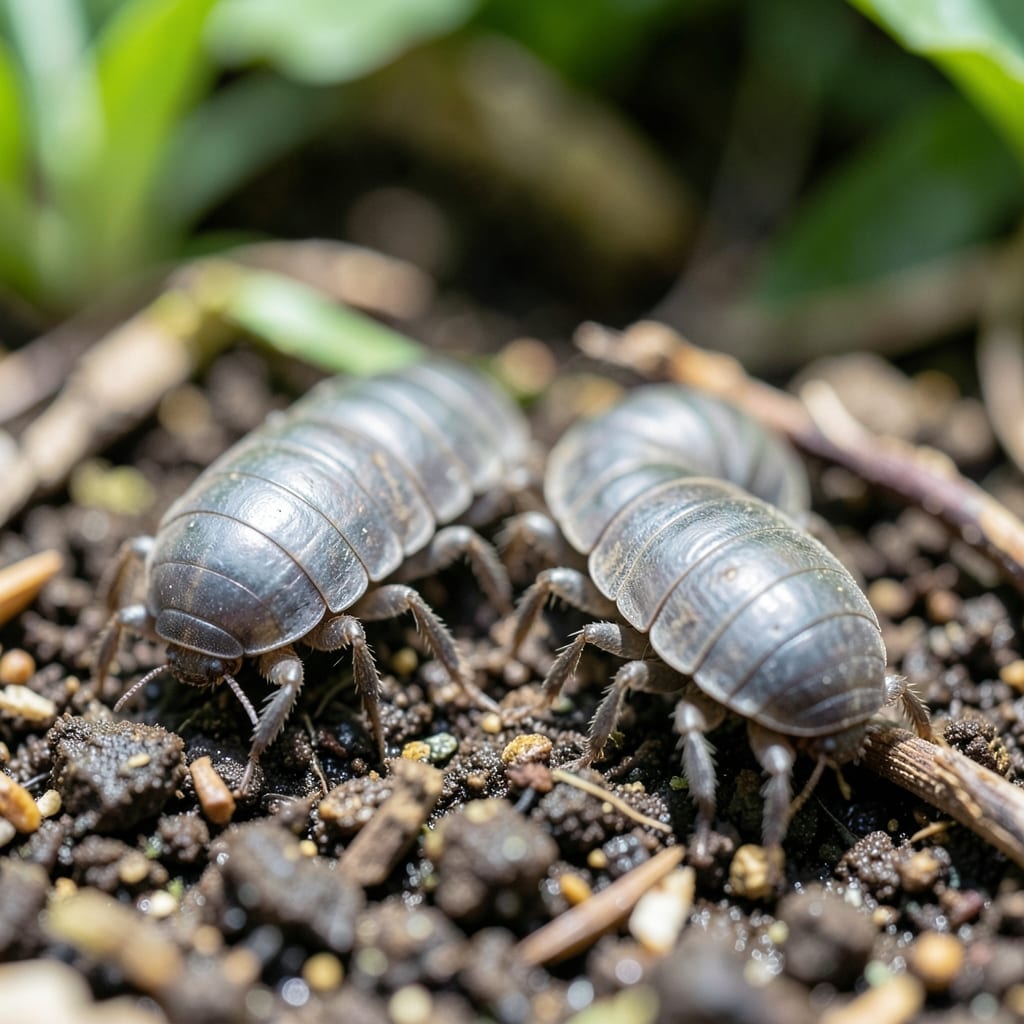
Pill bugs are generally beneficial in gardens, breaking down organic matter and improving soil health. They rarely harm plants but may damage young seedlings in large numbers.
I see these little crustaceans as nature’s cleanup crew, transforming dead leaves and plant debris into rich compost. Their activity enhances soil structure while recycling nutrients back into the ecosystem. However, in overpopulated areas, they might nibble on tender seedlings before plants establish strong roots. ✨
You’ll typically find them thriving in moist, dark environments where they perform their decomposer role most effectively. 💫
💡 In This Article
Pill bugs are nature’s tiny composters, breaking down dead plant material with remarkable efficiency. They consume decaying leaves, wood, and other organic debris at a rate of 10-20% of their body weight daily, accelerating decomposition. This process releases nutrients like nitrogen and phosphorus back into the soil, enriching it for future plant growth. 🔥
Their feeding habits also improve soil structure. As they burrow and move through the top 2-3 inches of soil, pill bugs create small tunnels that enhance aeration and water infiltration. This natural tillage helps plant roots access oxygen and moisture more effectively, reducing compaction. ✨
Scientifically, pill bugs belong to the crustacean family, not insects, which explains their need for moisture. They thrive in damp environments with 70-80% humidity, making them ideal for garden ecosystems. Their exoskeletons contain calcium, which further enriches the soil as they shed and decompose. 💫
This nutrient cycling is especially valuable in organic gardens. Studies show that areas with active pill bug populations see 15-30% faster decomposition of organic matter compared to areas without them. Their presence indicates a balanced, healthy soil microbiome. ⚡
While they primarily feed on dead material, pill bugs occasionally consume fungal spores and bacteria. This helps control potential plant pathogens in the soil, acting as a natural form of pest management for your garden ecosystem. 🌟
No, pill bugs don’t bite, sting, or transmit diseases. They’re harmless to humans and pets. Their only defense is curling into a ball when threatened.
Pill bugs thrive in moist, decaying environments. If you have lots of leaf litter, mulch, or rotting wood, you’re providing their ideal habitat. Reducing moisture and debris will naturally decrease their numbers.
They rarely harm established plants but may nibble on tender seedlings. Use protective collars or diatomaceous earth around vulnerable plants. Most gardens benefit from their decomposing activity.
They’re close relatives but different species. Pill bugs can roll into a ball when threatened, while sow bugs cannot. Both serve the same beneficial decomposer role in gardens.