
Beautiful Plants For Your Interior
Beautiful Plants For Your Interior
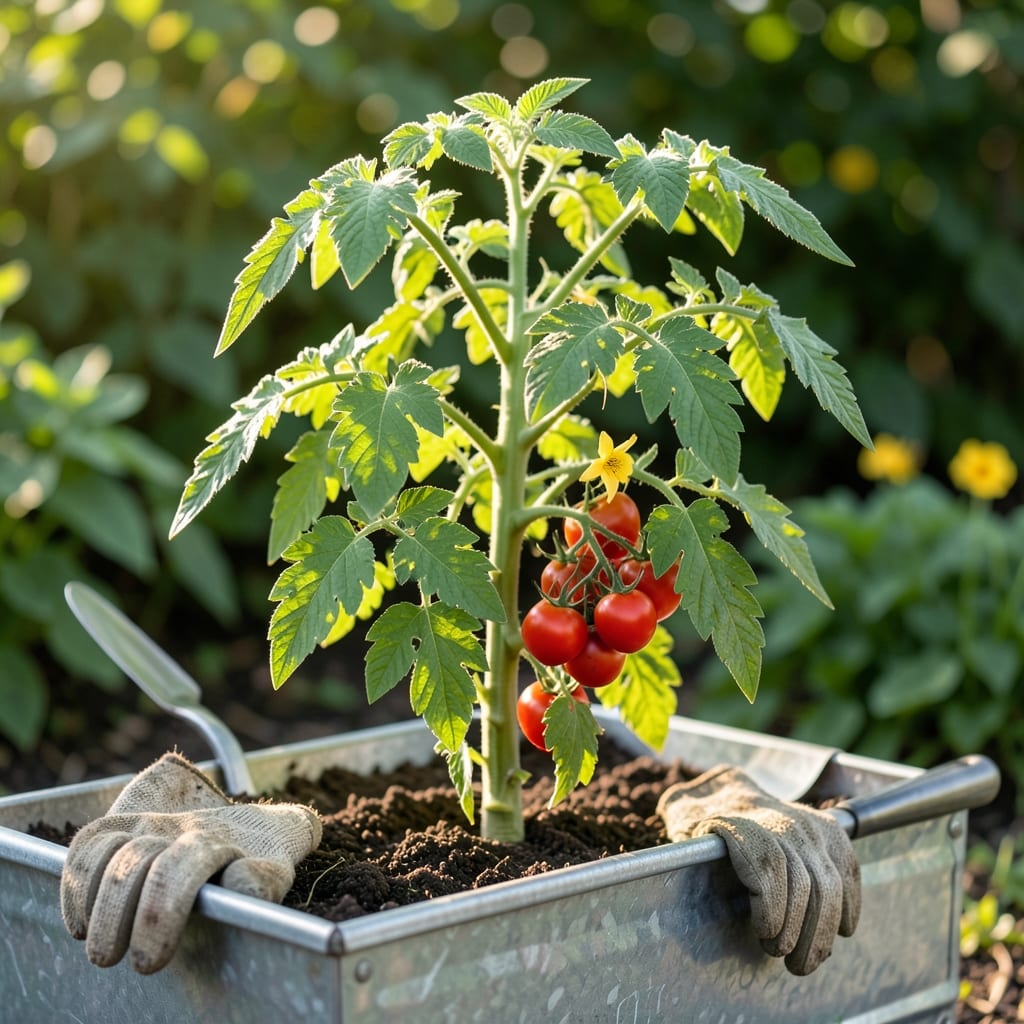
Metal raised garden beds are generally safe if made from food-grade galvanized steel or untreated aluminum. Avoid toxic coatings or lead-based paints, and opt for high-quality, rust-resistant materials.
I’ve tested various materials firsthand and found that food-grade steel and untreated aluminum pose minimal risk to plants or soil. The key is ensuring no harmful chemicals leach into your garden over time. 🔥
Cheaper options often use low-quality metals or coatings that can corrode, releasing toxins into your vegetables. That’s why I always recommend verifying certifications before purchasing.
💡 In This Article
Food-grade galvanized steel undergoes a hot-dip process where zinc coats the base metal at 850-900°F. This creates a protective barrier that prevents rust and corrosion. The zinc used is typically 99.5% pure, minimizing leaching risks into soil. 🔥
Untreated aluminum naturally forms a thin oxide layer that resists corrosion. This passive film is stable at pH levels between 4.5-8.5, which covers most garden soils. Unlike treated aluminum, it contains no additives that could migrate into your plants.
Corrosion becomes a concern when metals degrade and release particles. Galvanized steel may leach zinc at rates of 0.1-0.5 ppm/year, well below the 100 ppm EPA safety threshold for soil. However, highly acidic soils (pH <5.0) can accelerate this process.
Cheaper metals often contain lead or cadmium as stabilizers in coatings. These can accumulate in soil at detectable levels within 2-3 years, particularly in root crops. Always verify the absence of these heavy metals through third-party testing.
For maximum safety, look for beds with G-90 galvanization (zinc coating of 0.90 oz/ft²) or powder-coated finishes tested for outdoor food contact. These specifications ensure longevity while maintaining soil integrity. ✨
Food-grade galvanized steel and untreated aluminum are the top choices. Galvanized steel with G-90 zinc coating resists corrosion, while aluminum forms a natural protective oxide layer. Both are stable in most garden soil conditions.
Yes, lower-quality metals may contain lead or cadmium in coatings. These can leach into soil within 2-3 years, especially in acidic conditions. Always check for third-party testing to confirm safety.
Look for NSF/ANSI 61 certification or request test results for heavy metals. Avoid vague descriptions like “protective coating” without safety specifications.
Galvanized steel may corrode faster in soils with pH <5.0. For such conditions, choose thicker G-90 galvanization or untreated aluminum to prevent rust and leaching.