
Beautiful Plants For Your Interior
Beautiful Plants For Your Interior
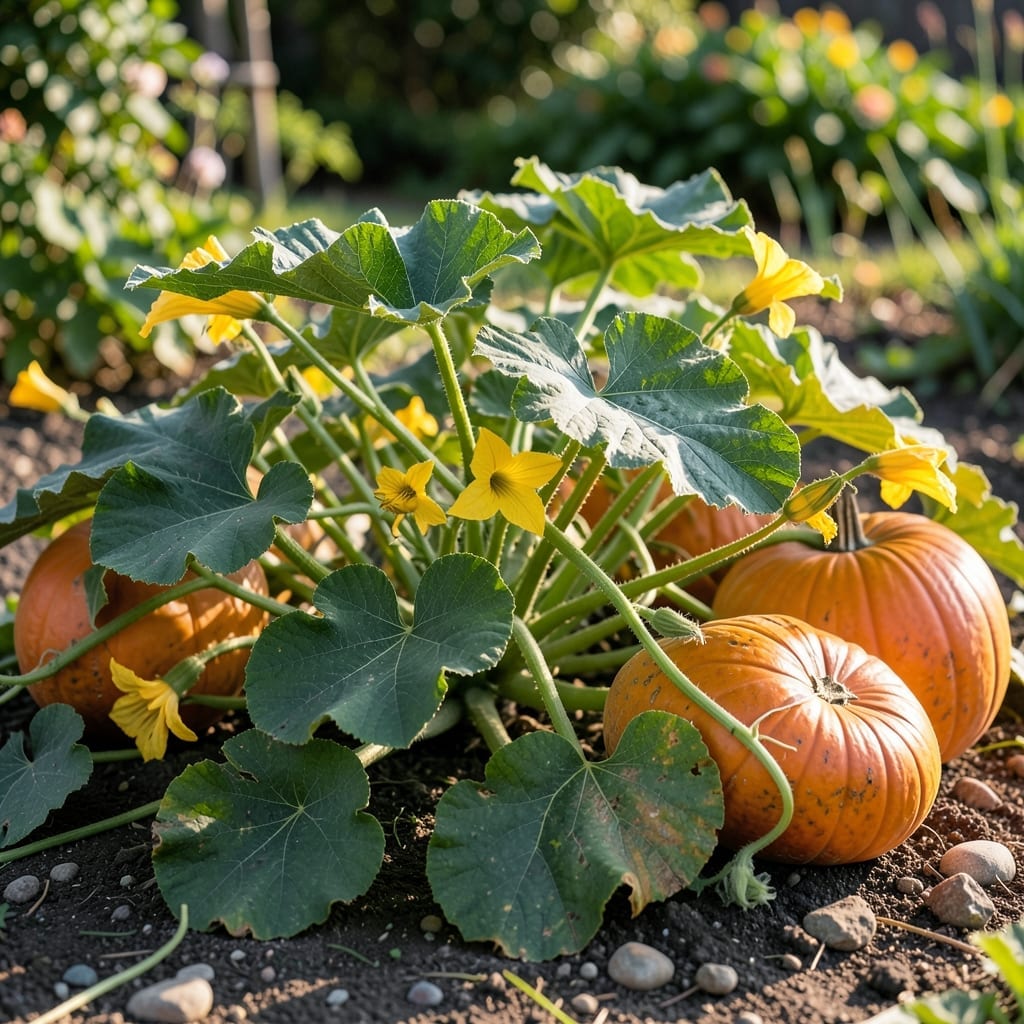
Pumpkins are annual plants, completing their life cycle in one growing season. They grow from seed, produce fruit, and die with the first frost, requiring replanting each year.
Unlike perennials that regrow from established roots, pumpkins channel all their energy into a single explosive growth cycle. 🔥 I’ve noticed this makes them incredibly productive during warm months, but they can’t survive freezing temperatures. Gardeners need to reseed annually, which actually offers a chance to rotate crops and refresh soil nutrients each season.
💡 In This Article
Pumpkins belong to the Cucurbitaceae family, which includes other annuals like cucumbers and squash. Their life cycle is hardwired for speed: seeds sprout in 5-10 days at 70-90°F, vines grow up to 20 feet in a season, and fruits mature in 75-100 days. This rapid growth leaves no energy for overwintering structures. 🔥
The plants lack the specialized storage organs (like bulbs or rhizomes) that perennials use to survive dormancy. Instead, they invest all resources into producing massive fruits with hundreds of seeds, ensuring the next generation. When temperatures drop below 50°F, pumpkin vines yellow and die within days.
Frost triggers the final stage. Ice crystals rupture cell walls, and without protective mechanisms, the entire plant collapses. Even in mild climates, pumpkins won’t regrow from roots like asparagus or strawberries. Their shallow root systems (typically 12-18 inches deep) can’t access moisture once the top growth dies back. ✨
Genetically, pumpkins evolved in warm, seasonal climates where completing a life cycle quickly offered a survival advantage. This adaptation means gardeners must replant annually, but it also allows for crop rotation to prevent soil depletion and disease buildup from the previous year’s Cucurbitaceae plants.
What’s fascinating is how pumpkins compensate for their short lifespan. A single vine can produce 2-5 fruits weighing 10-20 pounds each, with some varieties reaching 100+ pounds. This prolific seed production ensures species continuation even if the parent plant doesn’t survive winter. 💫
No, they don’t. Pumpkins complete their entire life cycle in 75-100 days and die after producing fruit. You’ll need to replant seeds each spring for new growth.
Pumpkins lack the specialized storage organs that perennials use to survive dormancy. Their shallow roots can’t access moisture once temperatures drop below 50°F, and frost ruins their cell structure.
Scoop out seeds, rinse off pulp, and dry them for 1-2 weeks in a cool, dark place. Store in an airtight container until planting season to preserve the strongest genetics.
Rotate planting locations annually and amend soil with 2-3 inches of compost. Space hills 4-6 feet apart for air circulation, and plant seeds 1 inch deep when soil reaches 60°F.