
Beautiful Plants For Your Interior
Beautiful Plants For Your Interior
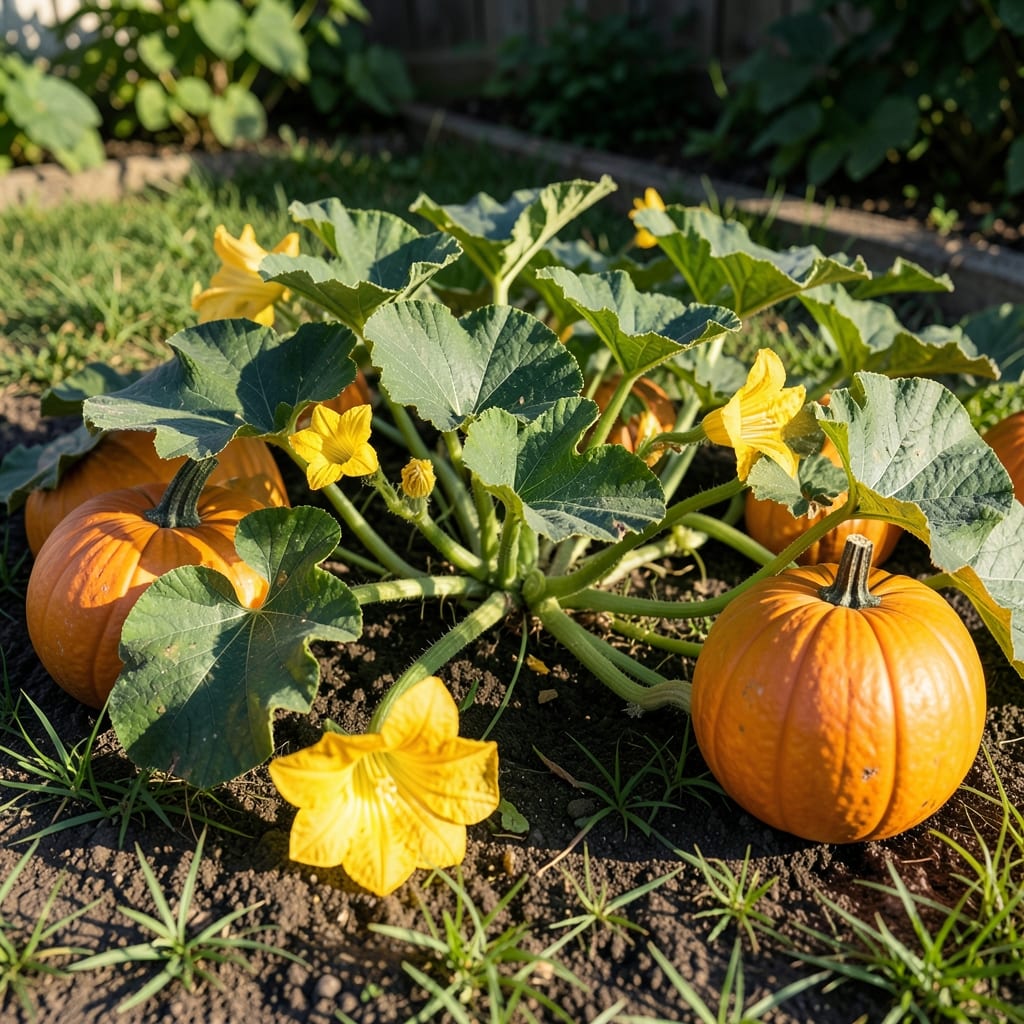
Pumpkins are annual plants, completing their entire life cycle from seed to fruit in a single growing season before dying off with frost.
This classification means they won’t regrow from the same roots next spring like perennial plants do. I’ve noticed pumpkins channel all their energy into producing fruit within 90-120 days, which is why they’re so reliable for seasonal harvests. The first hard frost signals the end of their cycle, making proper timing essential for gardeners. 🔥
💡 In This Article
Pumpkins are classified as annuals because their biology demands a full life cycle in one season. From seed germination to vine growth, flowering, and fruit maturation, the entire process typically spans 90-120 days. This rapid timeline ensures the plant completes reproduction before adverse conditions arrive.
The roots, stems, and leaves all die back once temperatures drop below 32°F, as they lack the adaptations to survive winter dormancy. 🔥
Unlike perennials that store energy in roots or tubers, pumpkins invest everything into their fruit. Their vines can spread 10-20 feet, with deep root systems that anchor the plant while absorbing maximum nutrients. The female flowers appear 50-55 days after planting, requiring pollination within 4-6 hours of opening to develop into pumpkins.
This urgency reflects their annual nature—no second chances next year. ✨
Frost is the definitive endpoint. Even a light frost at 28-32°F damages the foliage, halting photosynthesis and nutrient flow to developing fruit. The plant’s cells rupture under freezing conditions, unlike perennial plants that produce antifreeze proteins. Gardeners in colder climates often start seeds indoors 2-4 weeks before the last frost to maximize the growing window.
This timing is critical for annuals. 💫
The seed itself holds the key to next year’s crop. When a pumpkin decomposes, its seeds can remain viable for 4-6 years if stored properly. This is how annuals persist across seasons—through reproduction, not regeneration.
Each new plant grows from a seed, not from the previous year’s roots, which distinguishes it from perennials like asparagus or rhubarb. 🌟
This life cycle strategy allows pumpkins to thrive in temperate climates with distinct seasons. Their ability to produce abundant fruit quickly in warm conditions gives them an evolutionary advantage.
The trade-off is their vulnerability to early frosts, which is why commercial growers in cooler regions often use black plastic mulch to retain soil warmth and extend the season by 2-3 weeks. ⚡
No, pumpkins won’t regrow from last year’s plant. They complete their life cycle in 90-120 days, then die with frost. New plants must grow from seeds each spring.
No, even a light frost at 28-32°F will damage or kill pumpkin vines. The leaves and stems can’t tolerate freezing temperatures, which halts growth immediately.
Unlike some perennials, pumpkins are annuals by nature. They invest all energy into fruit production in one season, rather than storing resources in roots for next year.
Yes! Pumpkin seeds stay viable for 4-6 years if dried and stored properly. This is how annuals persist—through seeds, not regrowth from old plants.