
Beautiful Plants For Your Interior
Beautiful Plants For Your Interior
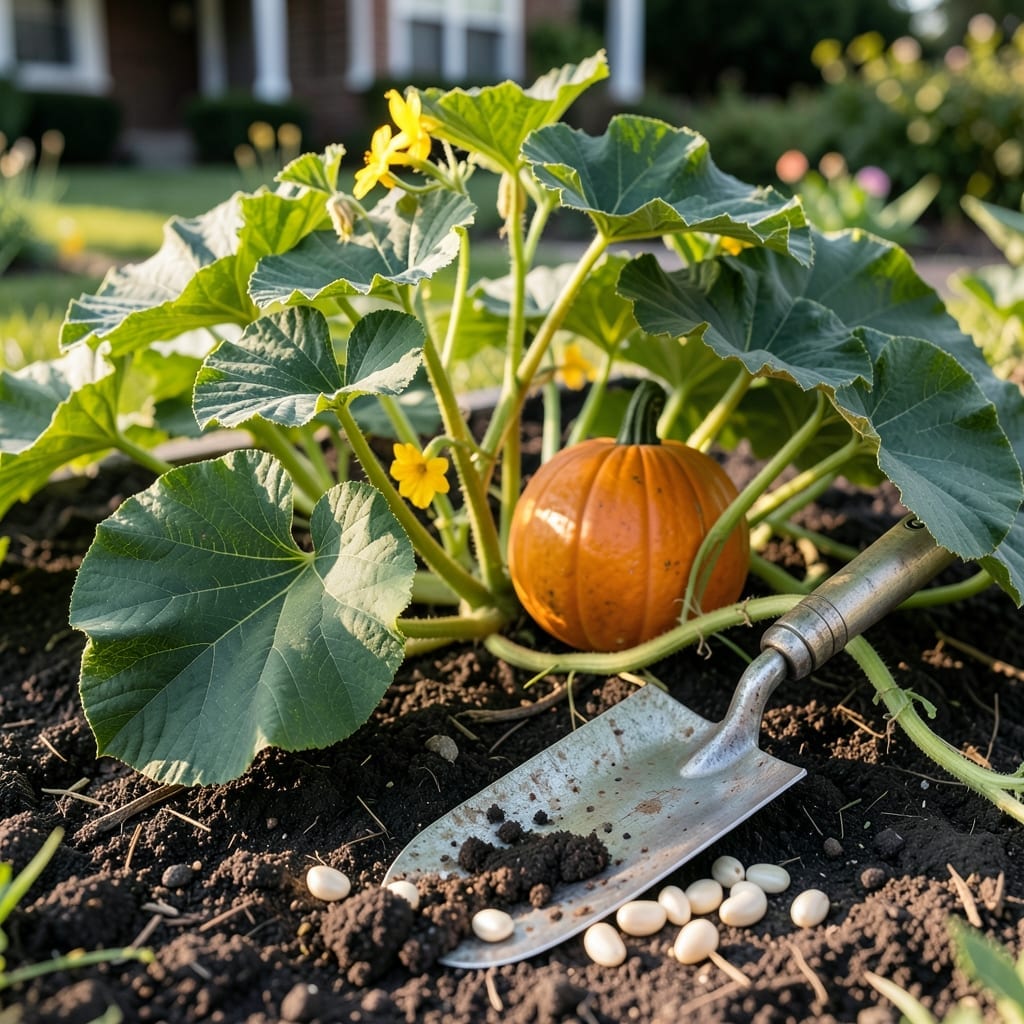
Timing is everything when growing 🎃 Pumpkin in Massachusetts. Plant too early, and frost kills your seedlings; too late, and your jack-o’-lanterns won’t mature in time for Halloween.
I’ve seen many gardeners struggle with getting their timing right in our unpredictable New England climate. The difference between success and disappointment often comes down to just a few weeks.
Whether you’re in Western MA’s cooler zone 5b or the warmer Cape Cod area, knowing your local frost dates is the key. This guide will help you navigate those crucial decisions.
Let me walk you through the optimal planting window for Massachusetts gardeners, so you can enjoy a bountiful fall harvest of perfect Pumpkins.
Massachusetts spans USDA zones 5b to 7a, meaning planting times vary. In Western MA (Zone 5b), the last frost typically hits around May 15, so wait until then to sow seeds directly. The soil must be at least 60°F for proper germination.
For Eastern MA (Zone 7a), including Boston and Cape Cod, you can plant 1-2 weeks earlier due to milder conditions. These areas often see their last frost by April 15, allowing for an earlier start.
| Zone | Last Frost Date | Planting Window | Soil Temp Requirement |
|---|---|---|---|
| 5b (Western MA) | May 15 | Late May to early June | 60°F+ |
| 6a-6b (Central MA) | May 1-10 | Early to mid-May | 60°F+ |
| 7a (Eastern MA/Cape Cod) | April 15 | Late April to early May | 60°F+ |
I always recommend using a soil thermometer to check temperatures at 2-3 inch depth. If you’re eager to start earlier, consider black plastic mulch to warm the soil faster. This trick can give you a 1-2 week head start in cooler zones.
For fast-maturing varieties like ‘Jack Be Little’ (85 days), you can push the planting window slightly earlier. However, larger varieties like ‘Atlantic Giant’ (120 days) need the full season, so late May planting is ideal for most of the state.
Remember that pumpkins are frost-sensitive, so even a light frost can kill young seedlings. In Zone 5b, I’ve seen late frosts as late as May 20, so patience is key. If you’re in doubt, wait until Memorial Day weekend for a safer bet.
In coastal areas, the ocean moderates temperatures, allowing for earlier planting. However, sandy soils common on the Cape warm up faster but may require more frequent watering to maintain moisture for germinating seeds.
If you’re starting seeds indoors, begin 2-3 weeks before transplanting. Use peat pots to minimize root disturbance. Harden off seedlings by gradually exposing them to outdoor conditions over 7-10 days before transplanting.
For the best results, plant in hills of 3-4 seeds, spaced 4-6 feet apart. Once seedlings emerge, thin to the strongest 1-2 plants per hill. This spacing allows vines to spread without competing for nutrients.
Finally, keep an eye on the 10-day forecast. If a cold snap is predicted after planting, cover young seedlings with row covers or cloches to protect them from unexpected chilly nights.☀️
Getting your Massachusetts soil ready for pumpkin seeds is crucial for success. I always start by testing soil temperature with a soil thermometer – it must be at least 60°F for germination.
For early planting, I use black plastic mulch to warm the soil faster. This trick can give you a 2-week head start in our unpredictable spring weather. 🌱
⚠️ Avoid This Mistake:
Planting pumpkin seeds in cold, wet soil leads to rotten seeds and stunted growth. Always wait until after the last frost date for your zone.
I also recommend using row covers for the first few weeks. These protect young seedlings from late spring frosts and cold winds that are common in Massachusetts.
When hardening off seedlings, I gradually expose them to outdoor conditions over 7-10 days. This prevents transplant shock and ensures stronger plants.
Another pro tip: amend your soil with aged compost before planting. Pumpkins are heavy feeders and need nutrient-rich soil to produce those big, beautiful fruits. 🌿
Lastly, keep the soil consistently moist but not waterlogged during the first few weeks. Your pumpkin seeds will thank you with strong germination and healthy growth. ✂️