
Beautiful Plants For Your Interior
Beautiful Plants For Your Interior
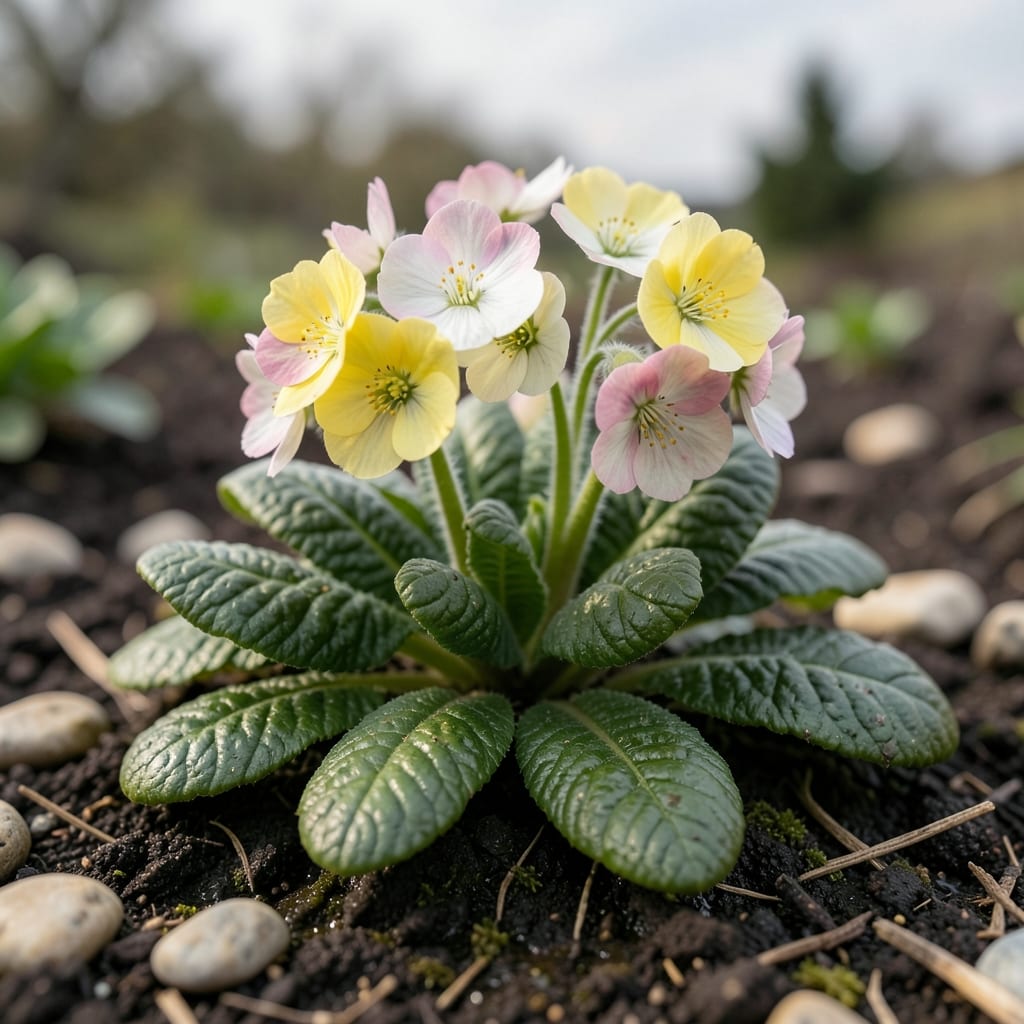
Primroses are typically perennial plants in cooler climates, returning each year. In warmer regions or with poor care, they may behave as biennials or short-lived perennials.
I’ve seen these colorful bloomers thrive for years in USDA zones 4-8, where cool summers let them re-emerge each spring. Their lifespan shortens in heat, as some varieties struggle above 75°F and may complete their life cycle in just two years. Proper drainage and shade can extend their stay in your garden. ✨
💡 In This Article
The lifespan of primroses hinges on their species and environment. Most belong to the Primula genus, with perennials like Primula vulgaris thriving in USDA zones 4-8. These plants store energy in their root crowns during winter, allowing them to regrow each spring when temperatures reach 50-60°F. 🔥
In warmer climates (zones 9-11), the same species may act as biennials. The heat accelerates their metabolism, causing them to flower, set seed, and die within 2 years. Some tropical varieties, like Primula obconica, are naturally short-lived, completing their cycle in a single season. ✨
Soil moisture and light exposure dramatically impact longevity. Primroses in well-drained, humus-rich soil with partial shade often live 3-5 years. Full sun or waterlogged conditions stress the plants, shortening their lifespan. The key is mimicking their native woodland habitats.
Botanists classify primroses based on their growth patterns. True perennials develop persistent root systems, while biennials form a basal rosette in their first year before flowering and dying. Annual types complete their entire life cycle from seed to death within 12 months. 💫
Gardeners can extend their primroses’ lives by providing consistent moisture and protection from extreme temperatures. Mulching with organic material helps maintain the cool, moist conditions these plants love, encouraging perennial behavior even in marginal climates.
In ideal conditions, they can thrive for 3-5 years as perennials. Their lifespan shortens in warmer climates or poor soil conditions, sometimes acting as biennials instead.
USDA zones 4-8 are perfect, offering cool summers that let them return each spring. In hotter zones, they may complete their life cycle in just 2 years or less.
It’s risky—full sun can scorch their delicate leaves. Dappled or partial shade, especially in the afternoon, mimics their native woodland habitat and extends their lifespan.
No, some like Primula obconica are naturally short-lived, often acting as annuals. Others, like Primula vulgaris, are true perennials in the right conditions.
Apply a 2-inch mulch layer in late fall to protect their crowns from freeze-thaw cycles. This simple step boosts their chances of returning next spring.