
Beautiful Plants For Your Interior
Beautiful Plants For Your Interior
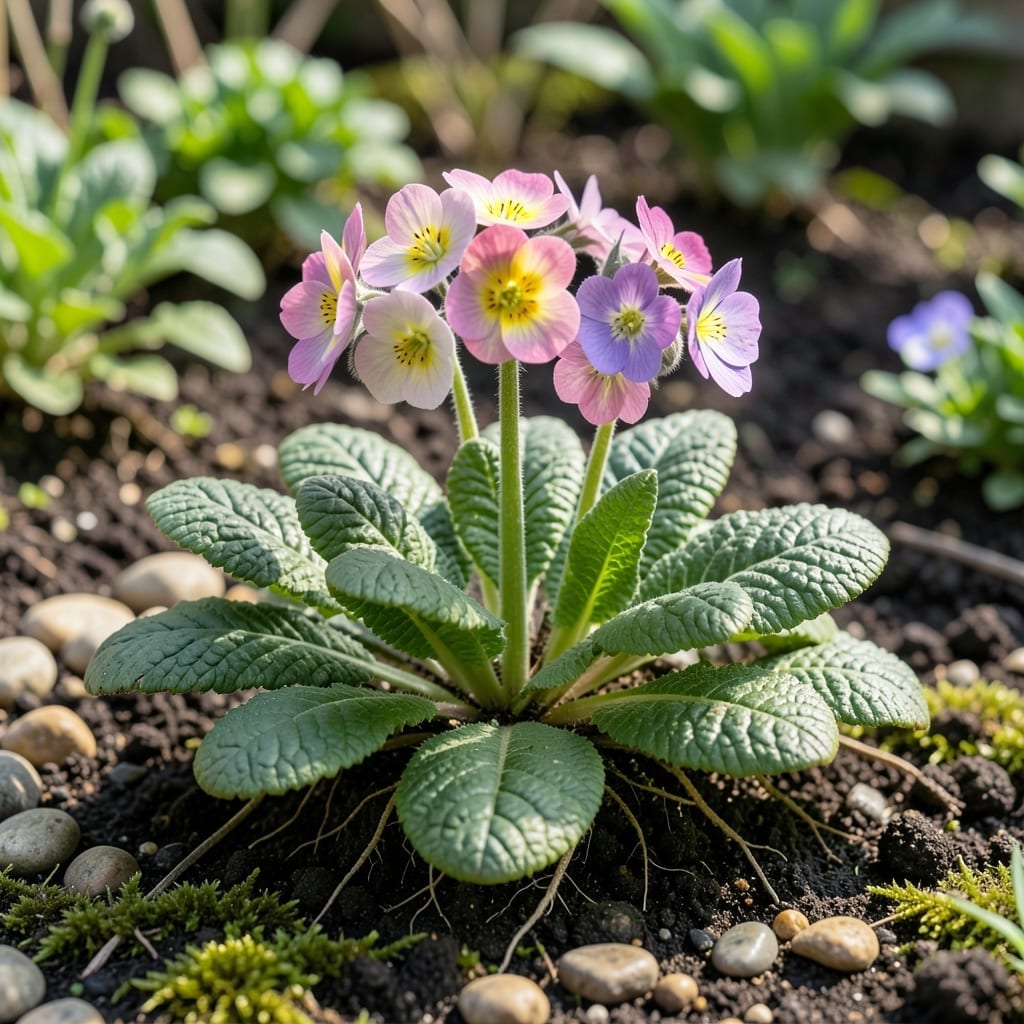
Most primroses are perennials, returning each year in suitable climates. Some varieties thrive as short-lived perennials or biennials, while others may behave as annuals in extreme conditions.
What I’ve noticed in my garden is that primrose longevity often comes down to climate and care. In mild zones, they’ll reliably reappear each spring with vibrant blooms, while harsh winters or scorching summers can cut their lifespan short. Even short-lived types often self-seed, creating a new generation that feels just as permanent. ✨
💡 In This Article
The lifespan of primroses depends heavily on their species and environment. In their native European woodlands, common primrose (Primula vulgaris) thrives as a true perennial, with roots that survive winter dormancy. These plants store energy in their crowns, allowing them to regrow each spring when temperatures reach 40-50°F. 🌟
Climate zones dramatically affect behavior. In USDA zones 3-5, many types like Primula denticulata return reliably for 3-5 years. However, in zones 9-10, the same species often struggles with heat and humidity, behaving as a short-lived perennial or biennial. The key factor is winter chill—most primroses require 400-1000 hours below 40°F to trigger spring regrowth.
Some varieties have adapted unique strategies. Alpine primroses (Primula auricula) form tight rosettes that protect their crowns from freezing. Meanwhile, polyanthus primroses often act as biennials, producing foliage the first year and flowers the second. This variation explains why gardeners sometimes see primroses disappear after one season.
Soil conditions and moisture levels also play crucial roles. Primroses prefer consistently moist but well-draining soil with a pH of 6.0-7.0. In conditions that are too dry or waterlogged, even perennial varieties may fail to return. The plants’ shallow root systems make them particularly sensitive to environmental stress. ⚡
What most gardeners don’t realize is that many primroses are “short-lived perennials” by nature. Species like Primula obconica may only persist for 2-3 years even in ideal conditions. However, they often self-seed prolifically, creating new plants that maintain their presence in the garden long after the original plants have died back.
Most primroses live 2-5 years as perennials in ideal conditions, though some may only last 2-3 years. Their lifespan depends on species, climate, and care. Many self-seed, creating new plants that replace the old ones.
Harsh winters, extreme heat, or poor soil conditions can prevent return. They need 400-1000 hours below 40°F for spring regrowth. Overwatering or drought can also stress the plants.
They prefer partial shade, especially in warmer zones. In cooler climates, they tolerate more sun but need consistently moist soil. Too much direct sun can scorch their leaves.
Many varieties self-seed prolifically, but not all. Species like Primula obconica often produce new plants from seeds, while others may need manual division. Self-seeding helps maintain their presence in gardens.