
Beautiful Plants For Your Interior
Beautiful Plants For Your Interior
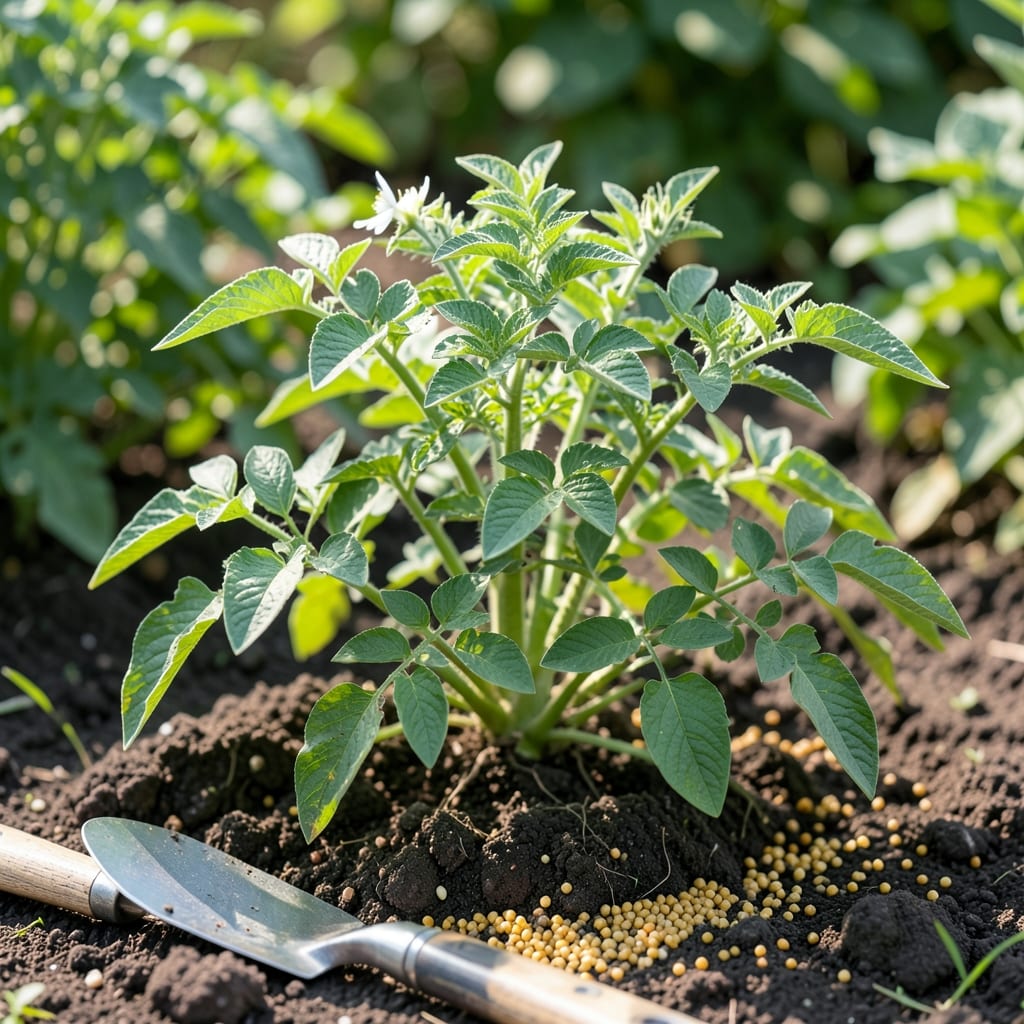
Yes, potatoes are heavy feeders, requiring rich, well-draining soil with plenty of nitrogen early on, then phosphorus and potassium as tubers develop for optimal growth.
I’ve learned that their rapid tuber formation demands significant energy, which is why they thrive in nutrient-dense conditions. Early in the season, I focus on nitrogen to boost leafy growth, then switch to phosphorus and potassium to support the underground development. Without this balance, the plants often produce smaller or lower-quality spuds. ⚡
💡 In This Article
Potatoes are essentially nutrient factories, converting sunlight and soil minerals into starch-packed tubers at an astonishing rate. During the first 4-6 weeks, the plant focuses on foliage growth, requiring ample nitrogen to build the photosynthesis machinery that will later fuel tuber development.
This rapid above-ground expansion demands 0.5-1 lb of nitrogen per 100 sq ft of soil just to keep up with the plant’s metabolic demands. 🔥
The real nutritional marathon begins when tubers start forming, typically 6-8 weeks after planting. At this stage, the plant shifts its energy allocation dramatically. Phosphorus becomes crucial for root development and energy transfer, while potassium regulates water movement and disease resistance.
A single potato plant can produce 5-10 lbs of tubers, each requiring significant amounts of these nutrients.
What many gardeners overlook is the plant’s inefficient nutrient absorption. Potatoes have a relatively shallow root system compared to their nutritional needs. This means they can only access nutrients in the top 12-18 inches of soil, making consistent feeding essential throughout the growing season.
The plant’s inability to mine deeper soil layers effectively explains why they’re classified as heavy feeders. ✨
The science behind this involves the plant’s high carbohydrate production. Potatoes convert about 70-80% of their photosynthates into starch for tuber storage. This intense metabolic activity requires a steady supply of all three macronutrients, plus micronutrients like magnesium and sulfur.
Without this constant input, the plant will cannibalize its own foliage to feed the developing tubers.
Consider that a 10×10 ft potato patch can remove 12-15 lbs of nitrogen, 20-25 lbs of phosphorus, and 30-40 lbs of potassium from the soil in a single season. This is comparable to the nutritional demands of corn, one of agriculture’s most voracious feeders.
The plant’s ability to produce such a high yield in a relatively short growing season (90-120 days) is what makes it a true heavy feeder in the garden. 💫
Feed every 2-3 weeks during active growth. Start with nitrogen at planting, then switch to phosphorus and potassium when flowers appear. Consistent feeding supports their rapid tuber development.
Under-fertilized plants produce smaller tubers with lower yields. Leaves may yellow, and growth slows significantly. Their shallow roots can’t access deep nutrients, making regular feeding critical.
Compost provides a good base, but potatoes need more. Supplement with balanced fertilizers or organic amendments like bone meal. A 10×10 ft patch requires additional nutrients beyond compost.
cease fertilization 2-3 weeks before harvest. This allows tubers to mature without excess nitrogen, which can reduce storage quality. Stopping early prevents cracked or misshapen spuds.