
Beautiful Plants For Your Interior
Beautiful Plants For Your Interior
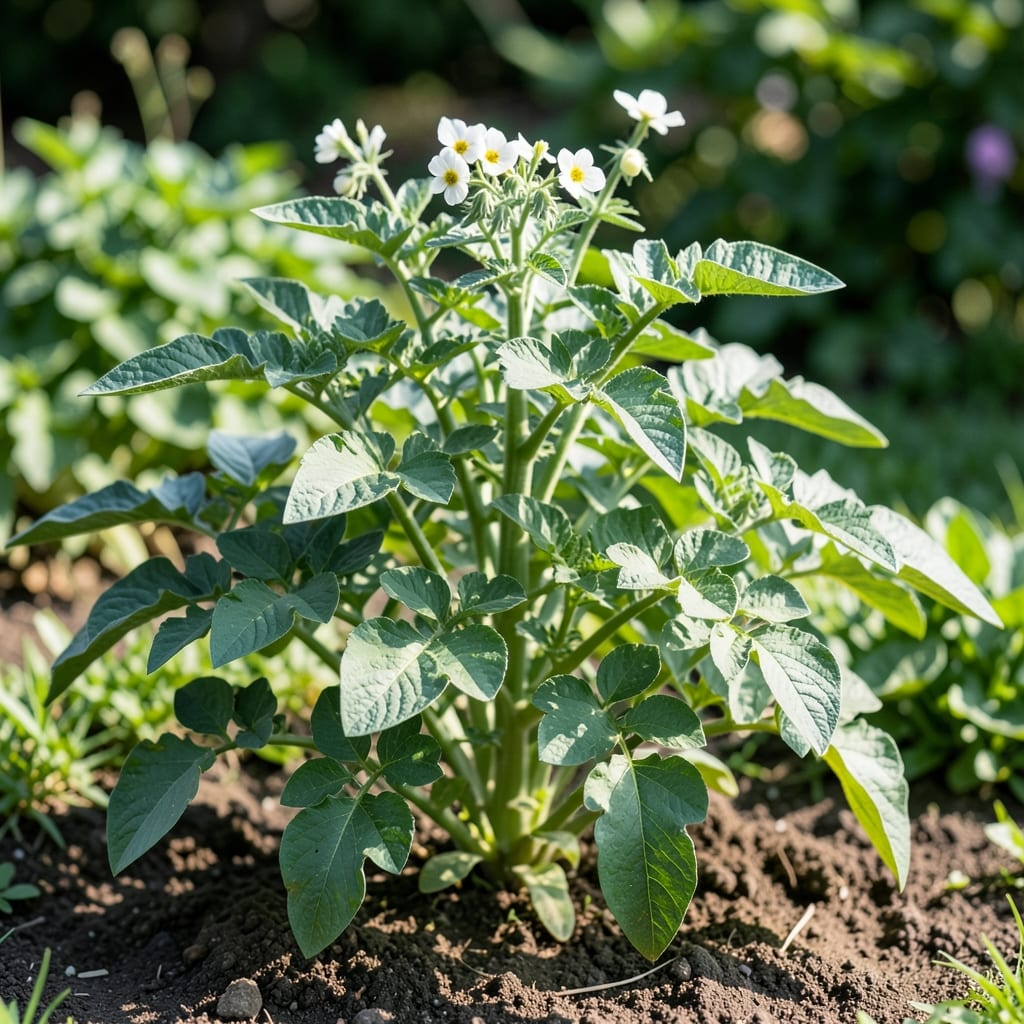
Potato leaves are not edible and can be toxic due to solanine and chaconine, compounds that cause nausea, headaches, or worse if consumed in large amounts.
I always advise against eating any part of the potato plant except the tubers. These natural toxins develop as a defense mechanism against pests, and they don’t disappear with cooking. 🔥 Even small amounts can trigger digestive upset, while larger quantities may lead to more severe neurological symptoms. It’s a reminder that not all green plants in the garden are safe for our plates.
💡 In This Article
Potato plants produce solanine and chaconine as natural defenses against insects and animals. These glycoalkaloids are concentrated in leaves, stems, and green tubers, with solanine levels reaching 20-100 mg per 100g of foliage. The compounds disrupt cell membranes in humans, particularly affecting the nervous and digestive systems. 🔥
When ingested, solanine inhibits acetylcholinesterase, an enzyme crucial for nerve signal transmission. This leads to symptoms like nausea, vomiting, and diarrhea within 30 minutes to 4 hours. In severe cases, it can cause neurological issues or even be fatal at doses of 2-5 mg per kilogram of body weight.
The bitter taste of potato leaves often signals their toxicity.
These toxins aren’t destroyed by cooking or drying. Boiling may reduce solanine by up to 30%, but not enough to make the leaves safe. The plant’s evolutionary purpose for producing these compounds is clear: to protect itself from being eaten by pests and animals. This natural defense mechanism unfortunately extends to humans as well. ✨
What makes this particularly dangerous is that solanine levels increase with exposure to light and as the plant matures. A potato plant grown in direct sunlight may have 10 times more solanine in its leaves than one grown in shade.
Even small amounts of these compounds can accumulate in the body over time, making it crucial to avoid all parts of the potato plant except the tuber.
The presence of these toxins isn’t unique to potatoes. They’re part of the nightshade family, which includes other plants like tomatoes and eggplants that also produce similar compounds in their leaves and stems. However, potato leaves contain particularly high concentrations, making them especially hazardous. 💫
Mild poisoning causes nausea and stomach cramps within 30 minutes to 4 hours. Severe cases can lead to neurological issues, though fatality is rare. Seek medical attention if symptoms appear.
No. Boiling reduces solanine by up to 30%, but dangerous levels remain. Drying doesn’t eliminate toxins either. Always avoid consumption.
The tubers are safe when properly stored, but leaves, stems, and green skin contain high toxin levels. Even sprouts on old potatoes can be harmful.
Spinach, Swiss chard, or beet greens offer safe alternatives. They provide similar earthy flavors without the toxicity risk.