
Beautiful Plants For Your Interior
Beautiful Plants For Your Interior
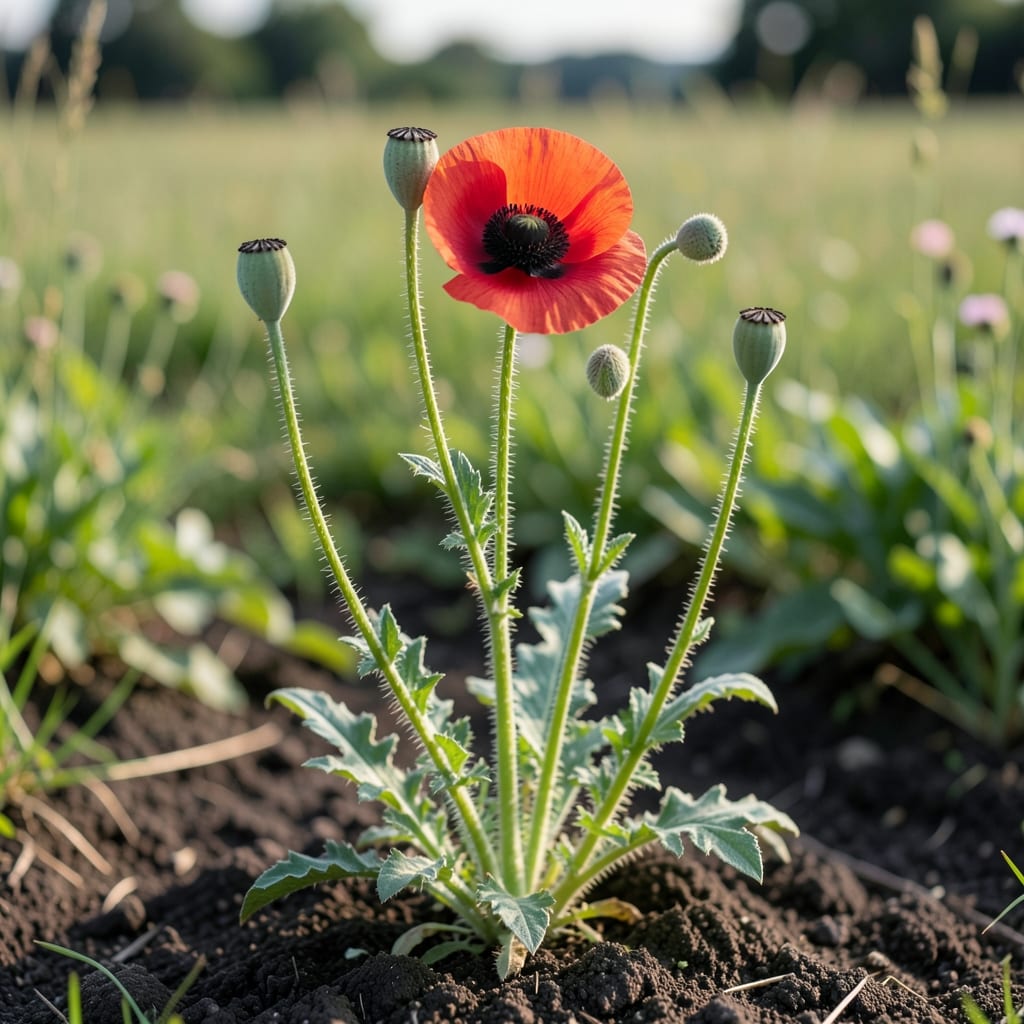
Most poppy species are not invasive, but some like the opium poppy can spread aggressively in ideal conditions. Check local regulations as certain varieties may be restricted.
In my experience, the key difference lies in their reproduction methods. While most ornamental varieties spread gently via self-seeding, aggressive types like Papaver somniferum can dominate gardens through prolific seed production. 🌿 This makes proper identification and management crucial for gardeners wanting to maintain balance.
I’ve noticed these plants thrive in disturbed soils, often outcompeting native species in ideal climates. Local ecological guidelines help determine which varieties pose risks in your specific region.
💡 In This Article
Poppies primarily spread through self-seeding, with each plant producing thousands of tiny seeds that can remain dormant in soil for years. The California poppy, for instance, can release up to 20,000 seeds per plant, which germinate when conditions are right. Wind and water easily carry these lightweight seeds far from the parent plant. 🔥
Some aggressive species like the opium poppy develop extensive root systems that allow them to outcompete other plants for water and nutrients. In disturbed soils, they can establish dense colonies, crowding out native vegetation. This is particularly problematic in agricultural areas where they may reduce crop yields.
Climate plays a crucial role in their invasiveness. In Mediterranean climates, poppies often thrive due to the mild, wet winters and dry summers that match their native habitats. Conversely, in colder regions, their growth is naturally limited by frost.
The plant’s ability to grow in poor, sandy soils gives it an advantage over more demanding species.
What makes certain poppies ecologically disruptive is their rapid life cycle. Some varieties can complete their entire growth from seed to seed in as little as 8-10 weeks. This allows multiple generations to grow in a single season, exponentially increasing their spread. Their bright flowers also attract pollinators, further aiding reproduction.
Interestingly, poppies have developed clever survival mechanisms. Their seeds only germinate when exposed to light, which prevents them from sprouting too deep in the soil. This adaptation makes them particularly successful in disturbed areas where soil is frequently turned over, like gardens and agricultural fields. ✨
No, most ornamental types like Iceland or Oriental poppies stay contained. Only a few, such as opium poppies, can become invasive in ideal conditions. Always check species-specific growth habits.
Lightweight poppy seeds can spread up to 50 feet or more via wind. Some may travel even farther through water or animal activity. This natural dispersal helps explain their potential to colonize new areas.
Deadhead flowers before they seed and use 18-inch root barriers. Regularly monitor your garden for new sprouts, especially in disturbed soil areas where they thrive.
Yes, in some US states and countries, certain poppy species are classified as noxious weeds. California and parts of Australia have restrictions on specific varieties. Always verify local regulations.