
Beautiful Plants For Your Interior
Beautiful Plants For Your Interior
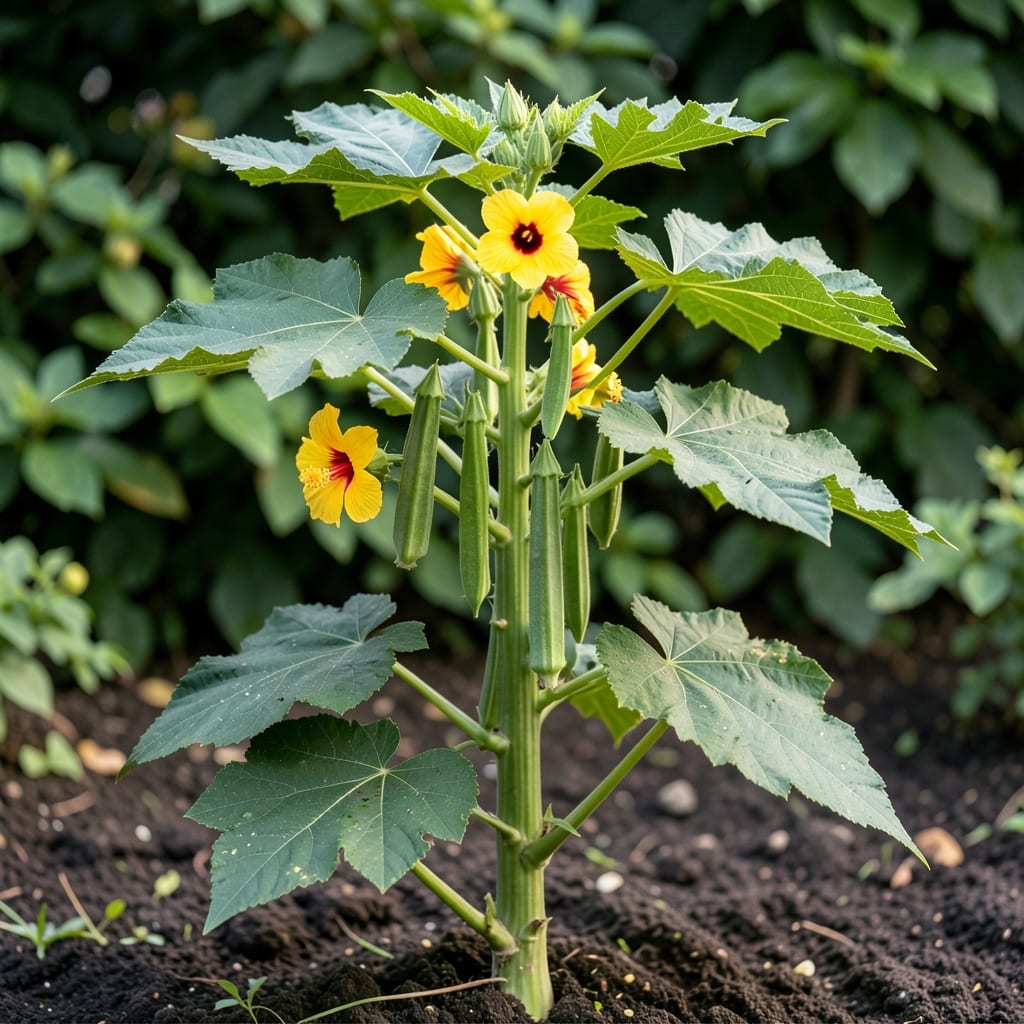
Yes, okra leaves are edible and rich in vitamins A and C, calcium, and protein. They have a mild, spinach-like flavor and can be cooked like other leafy greens.
I love how these leaves pack a nutritional punch while staying gentle on the palate. Their high vitamin A content supports eye health, and the calcium contributes to strong bones. 🔥 In many cuisines, they’re used in soups, stews, or sautéed as a side dish, offering a subtle earthiness that pairs well with garlic and onions.
💡 In This Article
Okra leaves pack a serious nutritional punch with 21% of your daily vitamin A and 60% of vitamin C per 100g serving. These antioxidants support immune function while the 3.2g of protein and 299mg of calcium contribute to muscle maintenance and bone health. The leaves also contain soluble fiber that aids digestion. ✨
Compared to spinach, okra leaves offer twice the calcium and three times the vitamin C, while maintaining similar iron levels. The mucilage content—same as in okra pods—helps lower cholesterol by binding to bile acids. This makes them particularly valuable for cardiovascular health. 🔥
What sets these greens apart is their low oxalate content, making the calcium more bioavailable than in spinach or kale. The leaves also contain flavonoids like quercetin, which have anti-inflammatory properties. This combination of nutrients works synergistically to support overall wellness. ⚡
The mild flavor comes from lower concentrations of bitter compounds compared to other leafy greens. This makes okra leaves more palatable raw in salads or lightly cooked. Their tender texture when young comes from higher water content (88%) and thinner cell walls than mature leaves. 💫
For maximum nutrient retention, steam or sauté for 3-5 minutes rather than boiling. This preserves the water-soluble vitamins while maintaining the vibrant green color. The leaves’ thin structure means they cook 30-50% faster than kale or collards, making them ideal for quick weeknight meals. ✨
No, the leaves have a milder, spinach-like flavor that’s less mucilaginous than the pods. Their taste is earthy with subtle sweetness, making them versatile for various dishes.
Avoid leaves that are yellow, wilted, or have tough, fibrous stems. Young leaves should be bright green and tender to the touch. Older ones can be stringy and bitter.
Yes, young, tender leaves can be eaten raw in salads. Their mild flavor works well with lemon juice or vinaigrette. Just wash thoroughly and remove tough stems.
Keep unwashed leaves in a sealed container with a paper towel for up to 3 days. Store in the fridge’s crisper drawer for optimal freshness.