
Beautiful Plants For Your Interior
Beautiful Plants For Your Interior
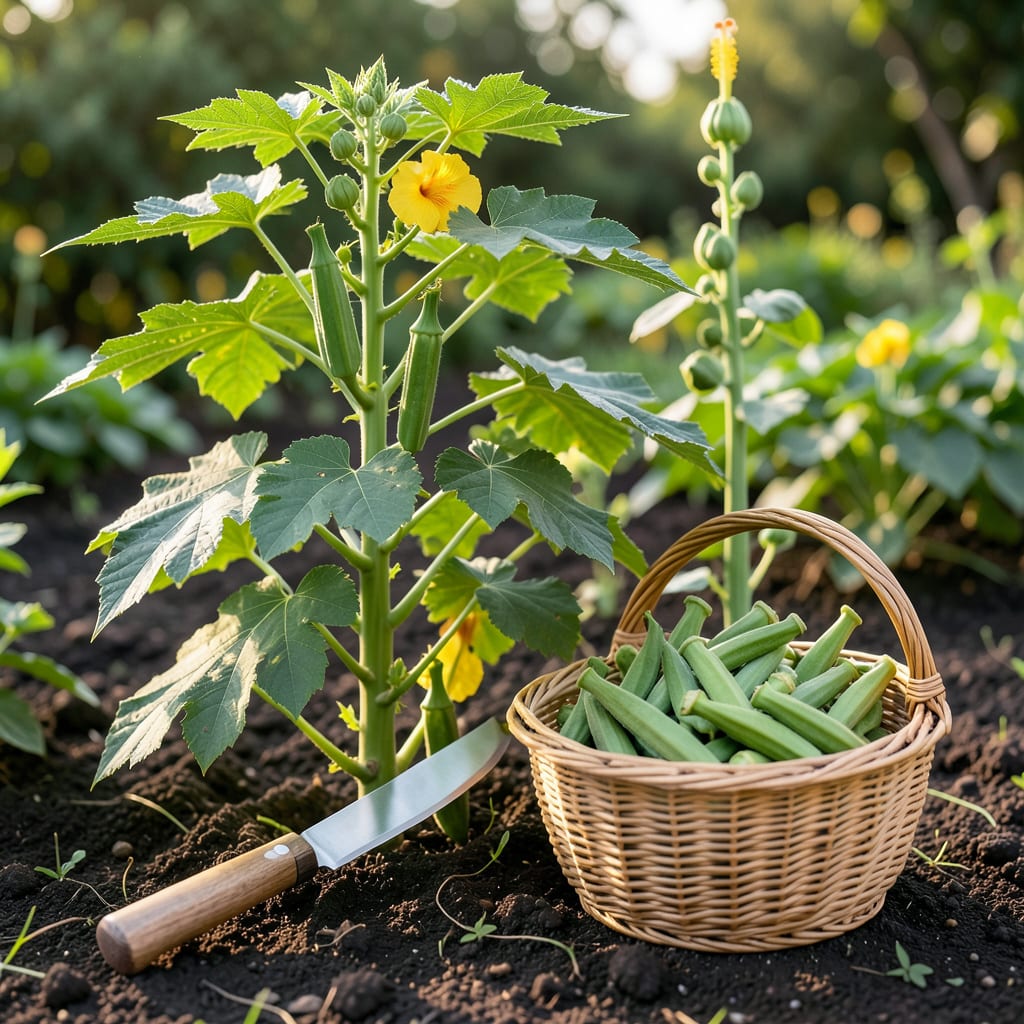
I remember the first time I picked okra too early – what a disappointment. The 🥬 pods were tiny and tough, nothing like the tender vegetables I was expecting.
Timing is everything with this plant. Discover how to spot the perfect moment when your okra is ready to come off the vine, and you’ll enjoy the best harvest of the season.


I’ve learned that timing is everything when harvesting okra. The perfect moment comes when pods are 3 to 5 inches long, firm to the touch, and vibrant in color. Any smaller, and they’re underdeveloped; any larger, and they become tough.
Look for smooth, bright green skin and a slight snap when bent. If the pod feels soft or the seeds inside are hard, you’ve waited too long. Morning is the best time to check, as the pods are crisp and easy to handle.
| Harvest Clue | What to Look For |
|---|---|
| Pod Length | 3-5 inches long |
| Color | Bright green and vibrant |
| Texture | Smooth and firm |
| Stem Condition | Fresh and green |
| Snap Test | Snaps easily when bent |
Another key sign is the stem’s condition. If it’s still green and flexible, the pod is ready. A brown or dry stem often means it’s past its prime. I always carry a small knife or pruners to make clean cuts without damaging the plant.
Okra grows quickly, so check your plants every 2-3 days in peak season. Missing just a few days can turn a perfect pod into a woody, inedible one. Consistency is key to maximizing your harvest.
If you notice the pods splitting open, that’s a sure sign they’ve been left too long. The seeds inside will be large and hard, and the texture will be fibrous. Harvest before this happens for the best results.
For varieties like ‘Clemson Spineless’ or ‘Emerald’, the ideal size is slightly smaller, around 3-4 inches. These types are bred for tenderness, so they’re best picked early.
Don’t forget to wear gloves when harvesting. Okra plants have tiny hairs that can irritate your skin. A long-sleeved shirt can also help protect your arms while you work.
Finally, always harvest with the stem attached. This helps the plant continue producing new pods. If you pull the pod without cutting, you risk damaging the plant and reducing future yields.
With these tips, you’ll never miss the perfect okra harvest window again. Happy picking! 🌱
I’ve found that okra grows fast, so checking plants every 2-3 days in peak season is crucial. This rapid growth means pods can go from perfect to woody in just a few days, so consistency is key.
Morning is the best time to harvest because the pods are crisp and the plant is hydrated. Evening picking works too, but avoid the hottest part of the day when both you and the plant are stressed.
Using clean pruners or a sharp knife ensures a clean cut that won’t harm the plant. I always wipe my tools between plants to prevent spreading any potential diseases.
Never pull the pods off by hand, as this can damage the stems and reduce future production. A gentle, clean cut at the base of the pod keeps the plant healthy and productive.
For ‘Burgundy’ or ‘Red Okra’ varieties, the same frequency applies, but the color changes from deep red to dull maroon as they overripen. Watch for that vibrant hue to know they’re ready.
If you’re growing in containers, check even more frequently. Potted okra can mature faster due to warmer soil temperatures, so daily checks might be needed in summer heat.
With this routine, you’ll keep your plants producing tender, delicious okra all season long. ✂️
Missing the okra harvest window can turn your crop from tender to tough in just days. I’ve seen pods go from perfect to woody faster than you’d expect, especially in hot weather.
Left too long, okra pods become fibrous and develop hard seeds. The texture changes from crisp to leathery, making them unpleasant to eat. The plant also shifts energy to seed production instead of new pods.
⚠️ Warning: Overripe okra develops woody texture, split pods, and reduced flavor. Harvest within 2-3 days of reaching 3-5 inches to avoid this.
If you spot split pods, it’s a clear sign they’ve passed their prime. The seeds inside will be large and hard, and the pod’s skin will feel rough. Even slightly overripe okra can be salvaged by peeling.
Don’t worry if you miss a few—just adjust your checking schedule. Okra grows so fast that daily inspections might be needed during peak season. I set reminders to walk my garden every other morning.
Remember, each unharvested pod signals the plant to slow production. Regular picking encourages more growth and extends your harvest season by weeks. Stay vigilant for the best results. ✂️
Check every 2-3 days in peak season. Okra grows quickly, so missing a few days can result in tough, fibrous pods. Morning inspections are ideal for crisp, fresh picks.
Yes, but morning is better. Evening harvesting works if the day isn’t too hot. Always avoid the hottest part of the day to protect both you and the plant.
Split pods are overripe. The seeds inside become large and hard, and the texture turns woody. Harvest before this happens for the best flavor and tenderness.
Use clean pruners or a sharp knife for precise cuts. Never pull pods by hand, as this can damage the plant and reduce future yields.
