
Beautiful Plants For Your Interior
Beautiful Plants For Your Interior
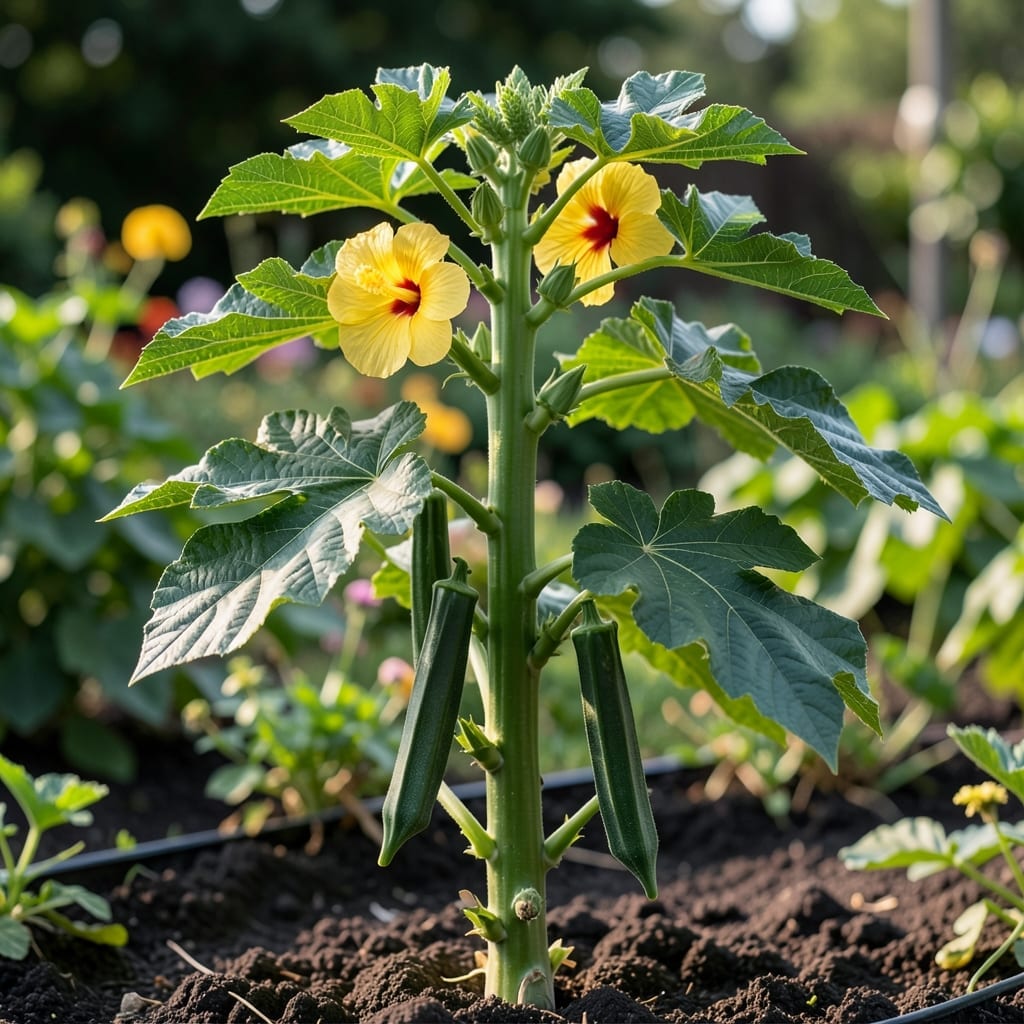
Okra leaves are edible and commonly used in various cuisines. They are rich in vitamins, minerals, and antioxidants, but should be cooked to reduce potential anti-nutrients like oxalates.
I’ve worked with these greens in West African and Southern U.S. dishes, where they add a mild, slightly earthy flavor. Cooking helps minimize oxalates, which can interfere with nutrient absorption in raw forms. 🔥
They’re packed with vitamin K and calcium, making them a great addition to stews or sautés. Just be sure to source them fresh and wash thoroughly before use. ✨
💡 In This Article
Okra leaves pack a serious nutritional punch with vitamin A (14% DV per cup), vitamin C (22% DV), and vitamin K (64% DV), supporting immunity, skin health, and blood clotting. They also deliver calcium and iron at levels comparable to spinach. 🔥
The leaves contain flavonoids and polyphenols, antioxidants that combat oxidative stress. These compounds help reduce inflammation, which may lower risks of chronic diseases. Compared to kale, okra leaves have 30% more vitamin C but slightly less fiber. ✨
What sets them apart is their mucilage content, the same compound that makes okra pods slimy. This soluble fiber aids digestion and helps regulate blood sugar by slowing carbohydrate absorption. It also acts as a prebiotic, feeding beneficial gut bacteria. 💫
For bone health, the vitamin K and calcium combo in okra leaves works synergistically. Vitamin K directs calcium to bones rather than arteries, reducing osteoporosis risk. A 100g serving provides about 82mg of calcium, or 8% DV. ⚡
These leaves are particularly rich in folate (15% DV per cup), crucial for DNA synthesis and red blood cell production. This makes them especially valuable for pregnant women or those planning pregnancy. 🌟
They have a mild, slightly earthy flavor similar to spinach with a subtle okra-like taste. When cooked, they develop a tender texture without the sliminess of okra pods.
Yes, always cook them to reduce oxalates and anti-nutrients. Raw consumption isn’t recommended. Boiling or sautéing for 5-7 minutes makes them safe and more digestible.
It’s best to avoid mature leaves with tough, hairy stems as they can be fibrous. Select young, tender leaves that are 2-4 inches long for the best eating experience.
They offer 30% more vitamin C than spinach and comparable calcium, but slightly less fiber. Both are nutrient-dense, though okra leaves have unique antioxidants like flavonoids.