
Beautiful Plants For Your Interior
Beautiful Plants For Your Interior
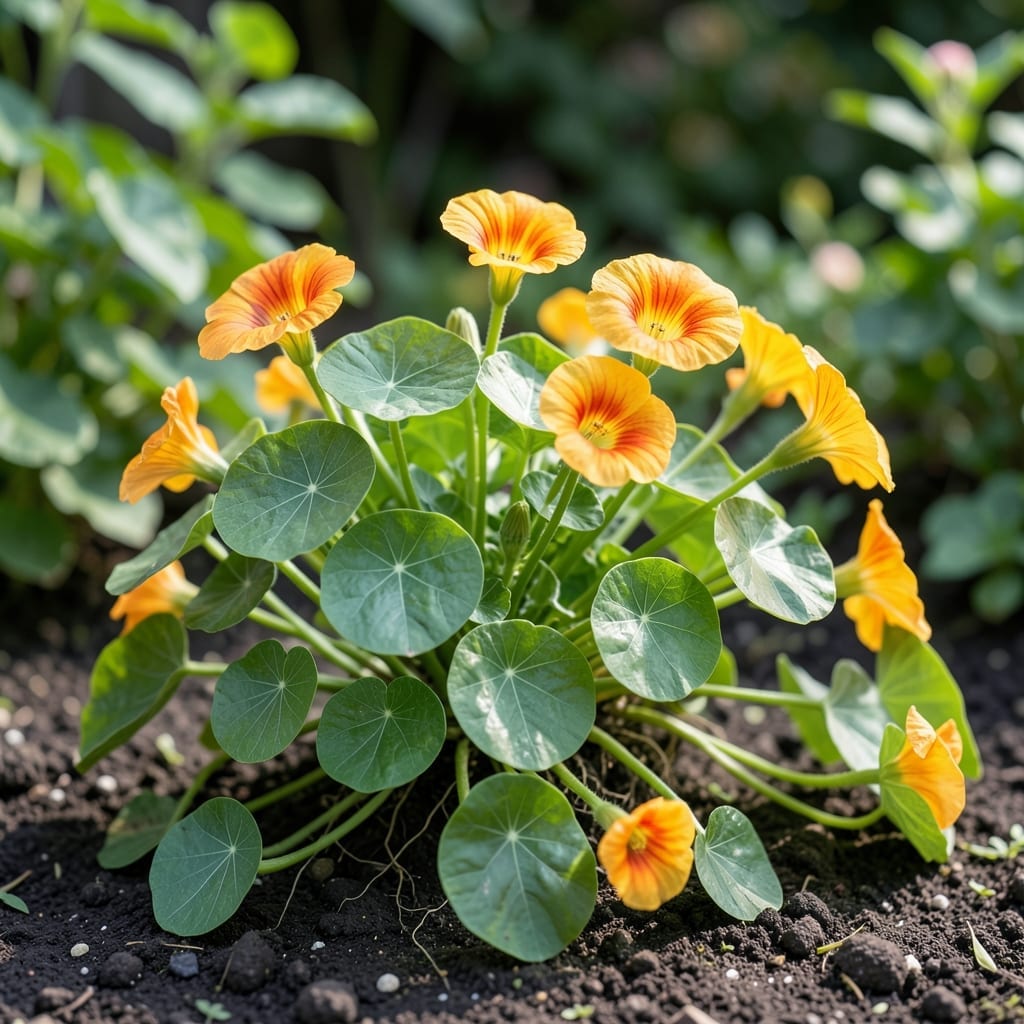
Nasturtiums are not classified as invasive in most regions, though they can self-seed aggressively in ideal conditions. They spread easily but are typically manageable and even beneficial in gardens.
I’ve grown these vibrant plants for years, and their spreading habit is more about enthusiasm than aggression. In warm climates with rich soil, they’ll happily reseed, but you can keep them in check by removing spent blooms before they drop. Many gardeners actually welcome this trait because nasturtiums attract pollinators and deter pests naturally. 🌟
What sets them apart from true invasives is their lack of dominance—they coexist well with other plants rather than choking them out.
💡 In This Article
Nasturtiums propagate through self-seeding and trailing stems. Each flower produces 5-7 seeds that drop when mature, germinating in 7-10 days under ideal conditions. The trailing varieties can extend up to 6 feet horizontally, rooting at leaf nodes where they touch soil. This dual mechanism allows rapid colonization of open spaces. 💫
Ideal growing conditions accelerate their spread. They thrive in 6-8 hours of sunlight daily and well-draining soil with pH 6.0-7.5. In temperate climates with mild winters, seeds may survive and sprout the following spring. Unlike true invasives, they don’t form underground rhizomes or allelopathic compounds to suppress competitors. ✨
Their growth habit varies by climate. In cool regions, they behave as annuals, dying back with frost. In warm zones (USDA 9-11), they may persist year-round, creating dense mats. However, they rarely displace native species, as their shallow roots make them poor competitors against established plants. 🔥
What makes their spread manageable is the ease of removal. Seedlings pull up effortlessly when young, and mature plants can be trimmed back without harm. This contrasts with aggressive spreaders like mint, which develop extensive root systems that are difficult to eradicate. 🌟
Gardeners often leverage this spreading tendency. The plants create living mulch that suppresses weeds while attracting pollinators. Their edible flowers and leaves add culinary value, making their controlled spread a feature rather than a problem in many landscapes. ⚡
In warm climates (USDA 9-11), they often regrow from self-sown seeds. In cooler zones, they’re annuals, dying with frost but may reseed if conditions are right.
Trailing varieties can extend 6 feet in a season. Self-seeding begins 7-10 days after flowers drop, with new plants appearing quickly in ideal conditions.
No, their shallow roots make them poor competitors. They spread enthusiastically but rarely displace established plants, unlike true invasives.
Deadhead flowers weekly and trim runners. These simple steps prevent most spreading while keeping plants healthy and blooming.