
Beautiful Plants For Your Interior
Beautiful Plants For Your Interior
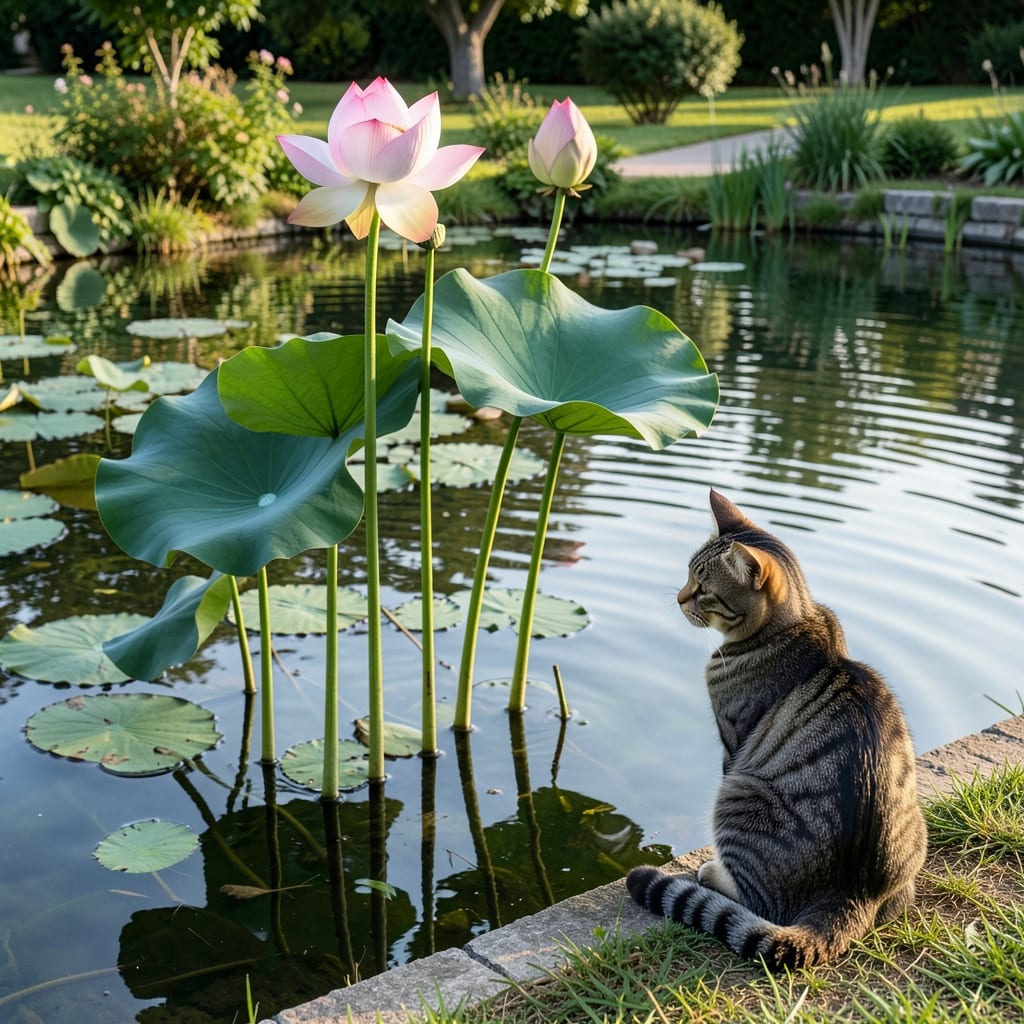
Yes, lotus flowers are toxic to cats. All parts of the plant contain alkaloids and glycosides that can cause vomiting, diarrhea, and lethargy if ingested.
I’ve seen firsthand how these natural compounds disrupt a cat’s digestive system, often within 2-6 hours of exposure. Even small amounts from leaves or stems can trigger severe discomfort, so immediate removal from your pet’s environment is crucial. 🔥
Veterinarians typically recommend inducing vomiting only under professional supervision, as the specific alkaloids in lotuses can affect the nervous system if absorbed in large quantities. ✨
💡 In This Article
The lotus plant contains nelumbo nucifera alkaloids and cyanogenic glycosides, which are particularly dangerous to felines. These compounds interfere with cellular respiration, essentially starving cells of oxygen. Even 1-2 grams of plant material can trigger symptoms in a 10-pound cat. 🔥
When ingested, these toxins irritate the gastrointestinal lining, causing immediate vomiting or diarrhea. More concerning is their effect on the nervous system—some alkaloids can lead to tremors or, in rare cases, seizures if large quantities are consumed. The roots contain the highest concentration, often 3-5 times more than the flowers. ✨
The severity depends on the dose and your cat’s size. A small nibble might cause mild stomach upset, while eating several leaves could require emergency vet care. Cats metabolize these toxins slowly, meaning symptoms can develop over 6-12 hours. Always monitor for prolonged vomiting or lethargy. 💫
What most don’t realize is that dried lotus (used in arrangements) retains toxicity. The compounds remain active for months, posing the same risks as fresh plants. Even pollen can be problematic if your cat grooms it off their fur after brushing against blooms. ⚡
Veterinarians often see cases where cats develop secondary issues from dehydration caused by persistent vomiting. In severe cases, IV fluids and anti-nausea medication become necessary. Prevention is key—remove all lotus parts from your cat’s environment completely. 🌟
Watch for vomiting, diarrhea, or drooling within 2-6 hours. Lethargy, tremors, or loss of appetite may follow as toxins affect the nervous system. Seek vet care if symptoms persist beyond 12 hours or worsen.
Yes, dried lotus retains its toxic compounds for months. The alkaloids remain active, so keep dried arrangements out of reach just like fresh plants. Even small amounts can cause stomach upset.
Install a 2-foot-high barrier or use chicken wire over soil. For ponds, create a raised edge cats can’t access. Consider removing lotus entirely if your cat explores outdoor areas freely.
Try water hyacinth or duckweed for aquatic settings. For gardens, spider plants or cat grass offer safe alternatives. Always verify plant safety with your vet before introducing new species.