
Beautiful Plants For Your Interior
Beautiful Plants For Your Interior
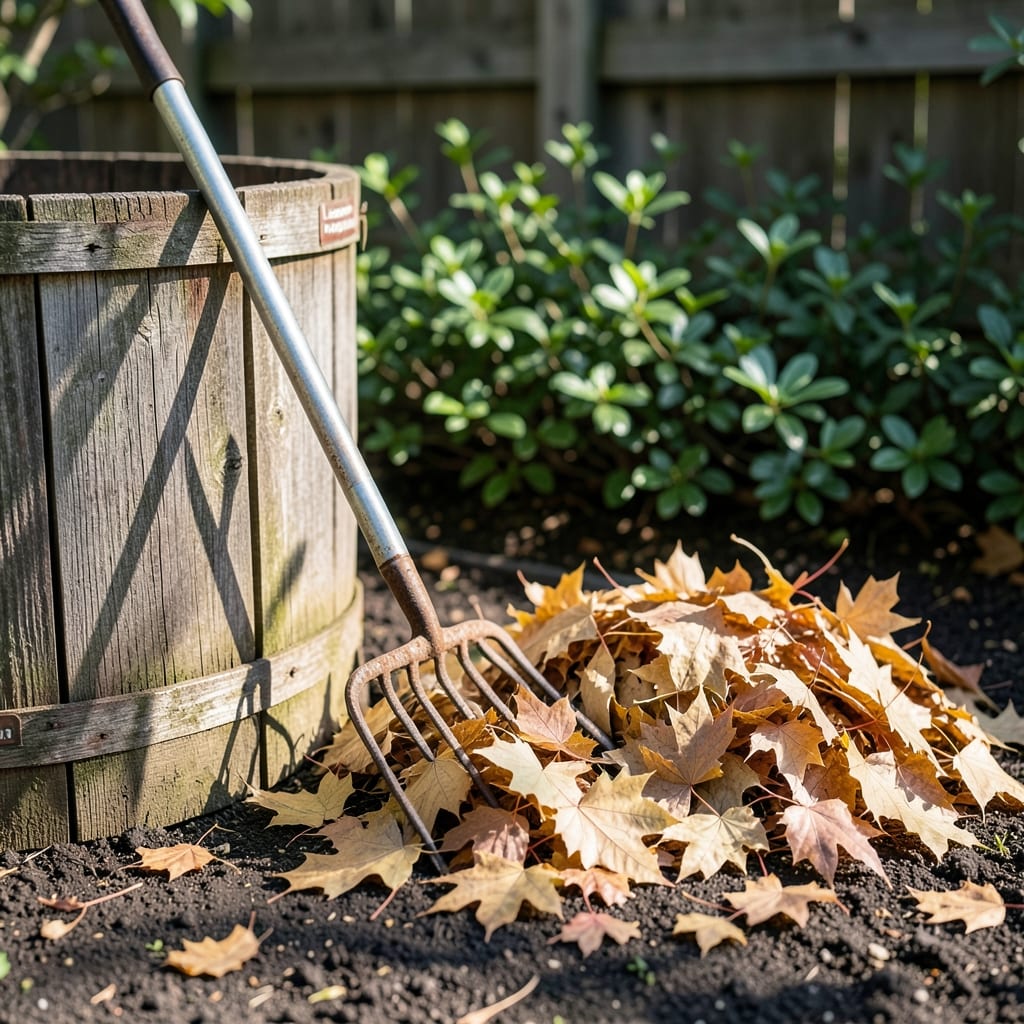
Yes, leaves are recyclable through yard waste programs or composting. Most curbside services accept them in paper bags, but check local rules as some areas ban them with regular trash.
I’ve turned countless bags of autumn leaves into rich garden soil through composting, which is one of the most eco-friendly ways to handle them. 🔥 Many municipalities transform collected leaves into mulch for public parks, creating a sustainable cycle. Just remember that plastic bags can contaminate the process, so paper or reusable containers are often required.
💡 In This Article
Municipal programs typically collect leaves during designated fall and spring seasons, using vacuum trucks or special containers to prevent them from entering landfills. The leaves are then transported to composting facilities where they’re shredded into smaller pieces to accelerate decomposition.
This mechanical breakdown increases surface area, allowing microbes to break them down 30-50% faster than whole leaves. 🔥
At the facility, leaves are mixed with other yard waste like grass clippings to create a balanced carbon-to-nitrogen ratio of about 30:1. This ratio is crucial because leaves are high in carbon (brown material) and need nitrogen (green material) to decompose efficiently.
The mixture is then turned regularly to introduce oxygen, which prevents anaerobic conditions that would produce foul odors.
After 3-6 months of active composting, the material reaches temperatures between 130-160°F, killing weed seeds and pathogens. The final product is screened to remove any large particles, resulting in a fine, nutrient-rich compost. Many cities use this compost in public parks or sell it back to residents at a low cost, creating a closed-loop system.
Seasonal restrictions exist because facilities need time to process the massive influx of leaves. Some areas limit collection to 8-12 weeks in autumn when leaf volume peaks. Other regions have year-round yard waste programs but may charge extra fees during non-peak seasons. Always check your local municipality’s schedule to avoid missed collections. ✨
Certain areas ban leaves with regular trash because they can create dense, matted layers in landfills that resist decomposition. These mats can trap methane gas, a potent greenhouse gas 25 times more harmful than carbon dioxide. By diverting leaves to composting programs, communities reduce landfill waste by up to 20% during peak seasons. 💫
No, leaves belong in yard waste programs, not standard recycling. Most curbside recycling can’t process organic material like leaves. Check with your local waste management for designated yard waste collection days and methods.
Use paper bags or reusable containers, as many programs ban plastic. Avoid mixing leaves with other trash. Some municipalities require leaves to be placed in special bins or piled at the curb for vacuum collection.
Shredded leaves break down in 6-12 months when properly balanced with nitrogen-rich materials. Whole leaves can take 1-2 years. Turning the pile regularly and keeping it moist speeds up the process.
Avoid composting leaves from plants with diseases like oak wilt or those treated with herbicides. Walnut leaves contain juglone, a natural herbicide that can harm sensitive plants. When in doubt, dispose of them through yard waste programs instead.