
Beautiful Plants For Your Interior
Beautiful Plants For Your Interior
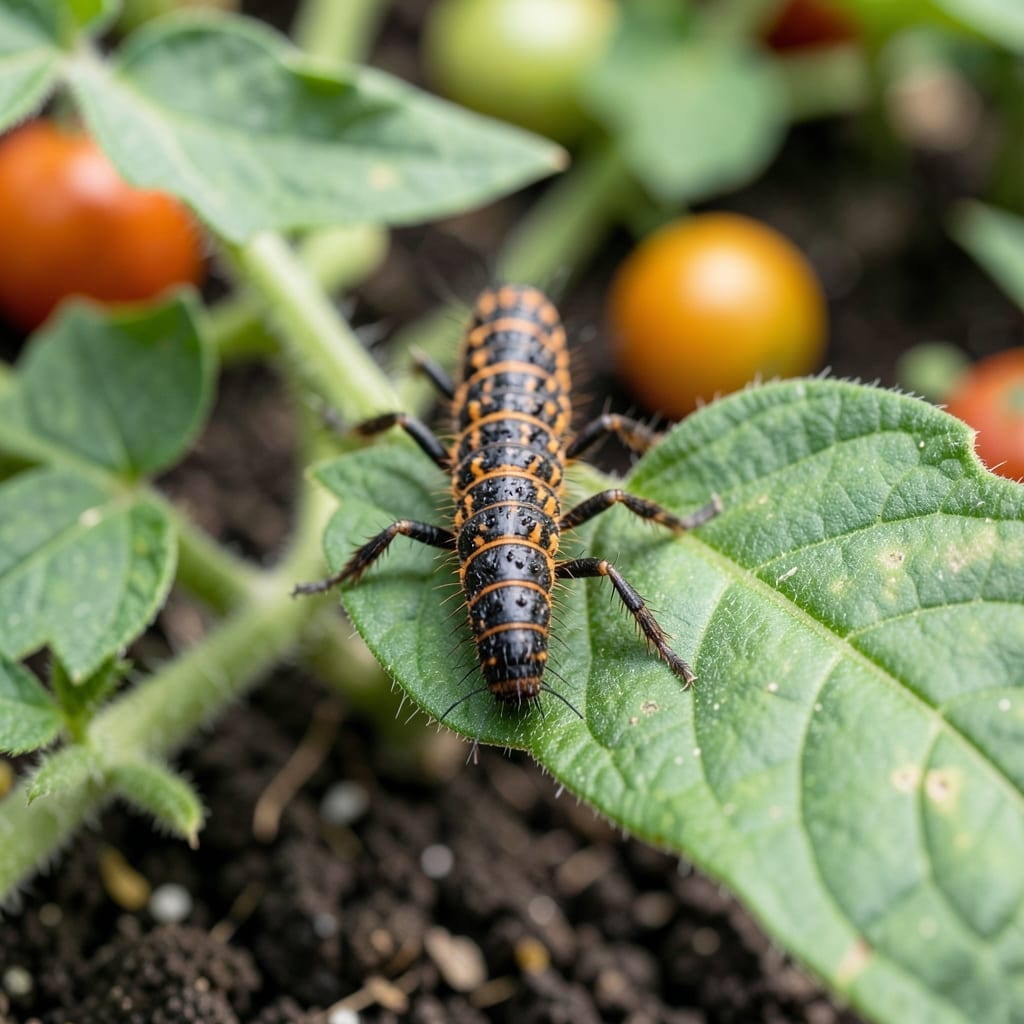
Ladybug larvae are not harmful to humans or plants. In fact, they are beneficial predators that eat aphids, mites, and other garden pests, helping protect your plants naturally.
I’ve seen firsthand how these tiny allies can devour dozens of aphids in a single day, acting like nature’s pest control. 🔥 Their spiky, alligator-like appearance is intimidating, but they’re harmless to touch and pose no threat to your orchids or other garden plants. Encouraging their presence reduces the need for chemical treatments, keeping your garden ecosystem balanced.
💡 In This Article
A single ladybug larva can consume 20-40 aphids per day during its development. This voracious appetite stems from their role as natural predators in the ecosystem, targeting soft-bodied pests that damage plants. Their elongated, spiny bodies allow them to navigate plant stems and leaves efficiently, reaching pests that adult ladybugs might miss. 🔥
The larvae stage lasts 2-3 weeks, during which they molt four times while growing. Each molt increases their pest-consuming capacity, with later stages targeting larger prey like mites and scale insects. Their chewing mandibles are specifically adapted to pierce and consume these garden menaces, making them more effective than many chemical treatments.
Unlike chemical pesticides that can harm beneficial insects and disrupt ecosystems, ladybug larvae offer targeted pest control. They focus exclusively on harmful insects while leaving plants and other beneficial species untouched. This natural approach maintains biodiversity while solving pest problems. ✨
Gardeners often notice improved plant health within days of ladybug larvae appearing. The reduction in pest populations allows plants to direct energy toward growth rather than defense. For example, rose bushes infested with aphids show 30-50% more blooms after ladybug larvae intervention compared to untreated plants.
Their presence also indicates a healthy garden ecosystem. Ladybugs lay eggs near aphid colonies to ensure their larvae have immediate food sources. This means spotting larvae often signals that your garden is supporting a balanced food chain, with natural predators keeping pest populations in check. 💫
They can give a very mild pinch if handled roughly, but it’s harmless and feels like a tiny pinch at most. Their jaws are too small to break skin, and they only bite if they feel threatened. Most people don’t even notice it.
Ladybug larvae are 1/8 to 3/8 inch long, black with orange spots, and move quickly. Pests like caterpillars are often fuzzier, slower, and lack the distinctive spiny shape. When in doubt, watch their behavior—larvae actively hunt aphids.
Gently move them outside to a plant with aphids using a leaf or piece of paper. They won’t survive long indoors without food. Avoid using pesticides near them—they’re your garden’s best natural defense.
They also consume mites, scale insects, and other soft-bodied pests. A single larva can eat 20-40 aphids daily. Their diet makes them far more beneficial than harmful to any garden ecosystem.