
Beautiful Plants For Your Interior
Beautiful Plants For Your Interior
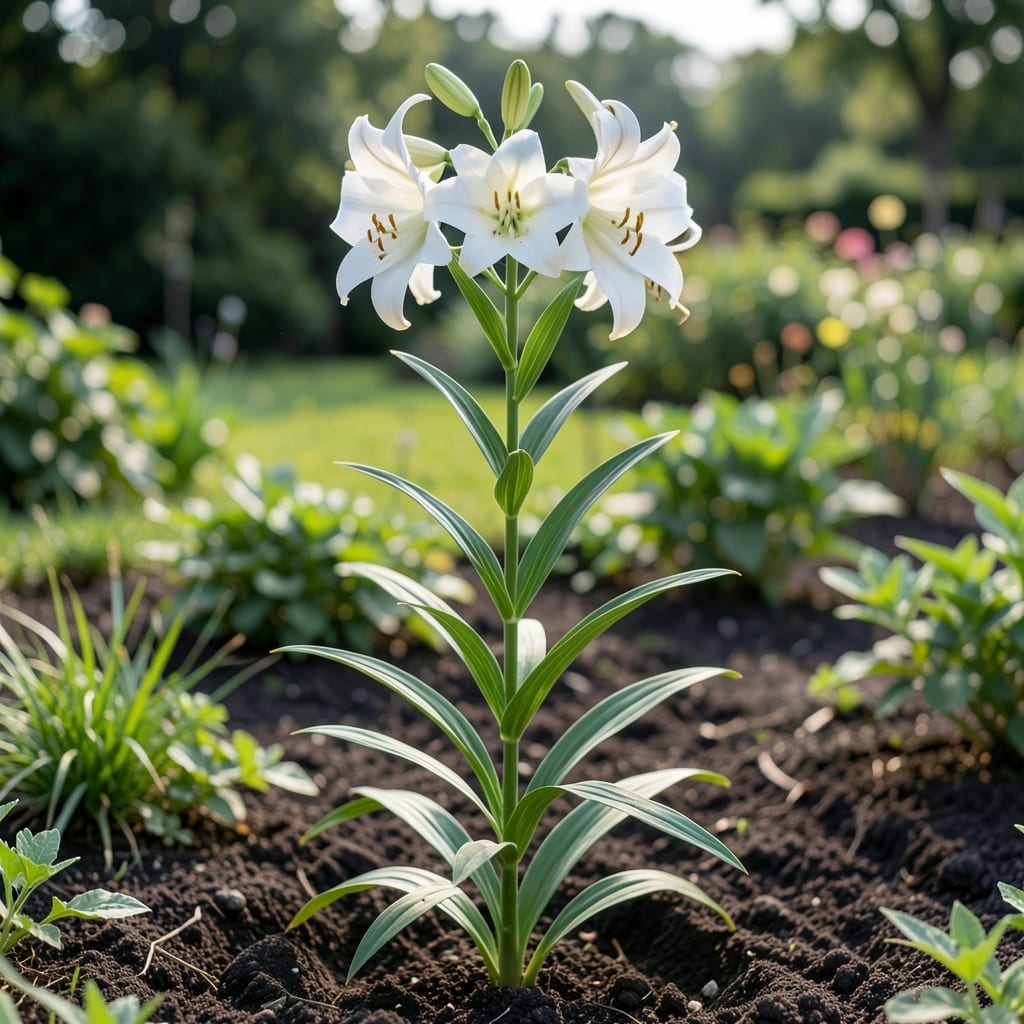
True lilies and daylilies are highly toxic to humans if ingested, causing symptoms from nausea to severe organ damage. All parts of the plant, especially bulbs, contain harmful alkaloids.
I’ve seen cases where even small amounts triggered vomiting or heart rhythm irregularities. The alkaloids disrupt cellular function, which is why bulbs pack the highest concentration. 🔥 Always wear gloves when handling these plants, and keep them far from kitchens or play areas.
If exposure happens, call poison control immediately—time is critical with these toxins. ✨
💡 In This Article
The primary culprits are lycorine and colchicine, alkaloids that disrupt cell division and protein synthesis. Lycorine triggers violent vomiting by irritating the stomach lining, while colchicine interferes with mitosis, potentially damaging the liver, kidneys, and bone marrow. These compounds are concentrated in the bulb, where the plant stores energy and defensive chemicals. 🔥
Bulbs contain up to 0.1-0.2% of these toxins by dry weight, enough to cause severe symptoms with as little as 1-2 grams of ingestion. Stems and leaves have lower concentrations but remain dangerous, especially for children or individuals with compromised health.
The toxins are stable even after cooking, making accidental consumption in soups or teas particularly risky.
Symptoms typically appear within 2-6 hours of ingestion. Early signs include nausea, salivation, and abdominal pain, progressing to diarrhea and dehydration. In severe cases, colchicine poisoning can lead to multi-organ failure, with effects resembling chemotherapy drugs that target rapidly dividing cells. This is why immediate medical attention is critical. ✨
The body absorbs these alkaloids quickly through the digestive tract, with peak blood levels reached in 30-90 minutes. The liver metabolizes them slowly, prolonging their toxic effects. Unlike some plant toxins that cause immediate burning, lily alkaloids often have a delayed onset, which can lead to underestimation of their danger.
What makes these compounds particularly insidious is their ability to accumulate in the body. Repeated small exposures can lead to chronic toxicity, though acute poisoning from a single ingestion is more common. The toxins are also resistant to breakdown by stomach acid, ensuring they reach the intestines where absorption is most efficient. 💫
The bulb contains the highest concentration of toxins like lycorine and colchicine. Even small amounts can cause severe poisoning, with symptoms appearing in 2-6 hours.
Early symptoms include nausea, vomiting, and abdominal pain. These can progress to dehydration and, in severe cases, organ damage if untreated. Always seek medical help immediately.
No, cooking does not neutralize the toxins. Alkaloids remain stable even after heating, so avoid consuming any part of the plant, cooked or raw.
Wear nitrile gloves and wash hands thoroughly afterward. Store bulbs in labeled containers away from food, and teach children to avoid touching or eating plants.