
Beautiful Plants For Your Interior
Beautiful Plants For Your Interior
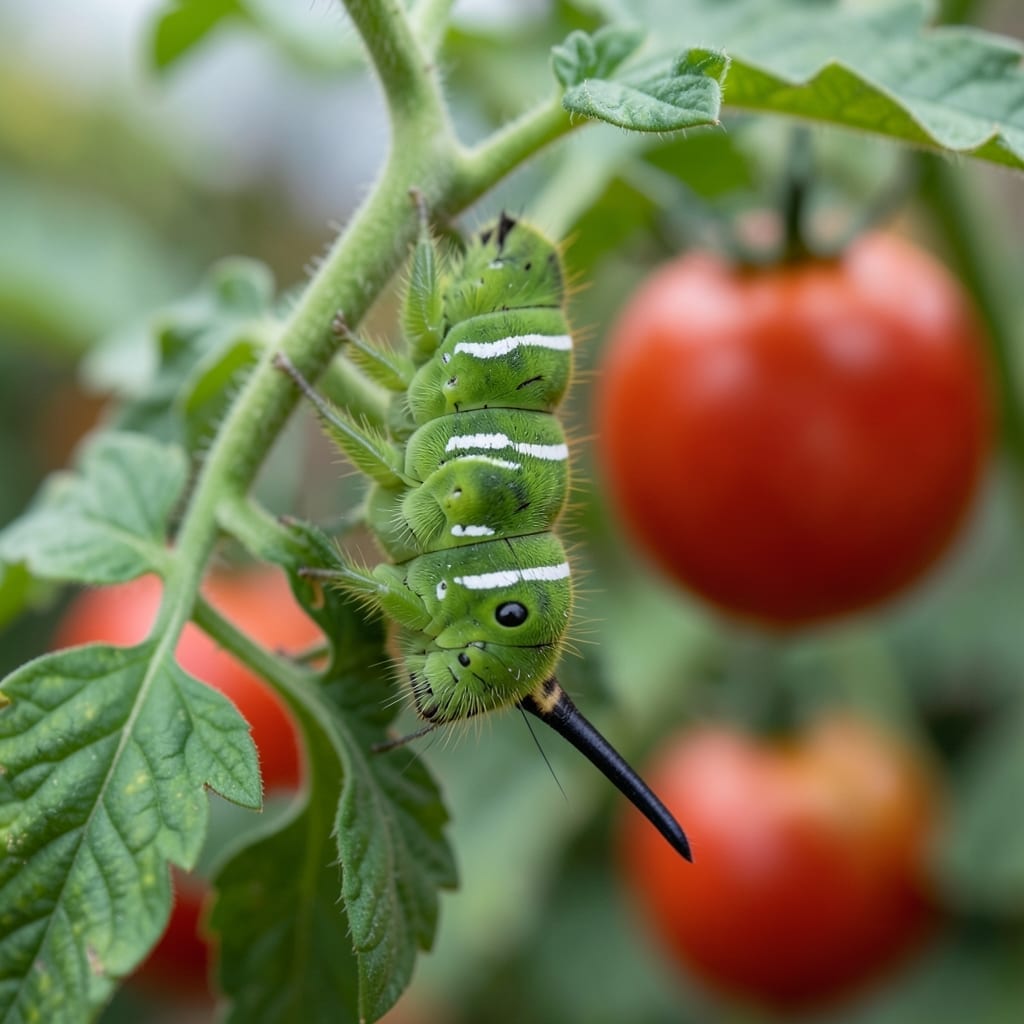
Hawk moths are generally not invasive in North America, as most species are native and play vital roles in pollination, particularly for night-blooming plants.
I’ve observed these fascinating creatures in my own garden, and their role in the ecosystem is undeniable. They’re specialized pollinators for plants like evening primrose and moonflowers, which rely on their long proboscises to access nectar. 🔥 Their native status means they coexist harmoniously with local flora and fauna, supporting biodiversity rather than disrupting it.
💡 In This Article
North America hosts approximately 50 native hawk moth species, each adapted to specific ecosystems. These insects have co-evolved with plants like evening primrose and moonflowers, developing a unique pollination mechanism. Their 4-6 inch proboscis allows them to access nectar from deep tubular flowers that other pollinators can’t reach. 🔥
This specialized adaptation means they pollinate about 20% of night-blooming plant species in their native ranges. The white-lined sphinx moth, for example, can hover like a hummingbird while feeding, transferring pollen with remarkable efficiency. Their wings beat at 50-60 times per second, creating vibrations that enhance pollen release.
Their nocturnal habits complement daytime pollinators perfectly. While bees work during daylight, hawk moths take over at dusk, ensuring continuous pollination for certain plants. This temporal division helps maintain biodiversity in native plant communities. ✨
Native hawk moth caterpillars, like the tomato hornworm, also play crucial roles. They process plant material quickly, contributing to nutrient cycling. Some species can consume 85% of their body weight in foliage daily, turning plant matter into protein-rich biomass that supports other wildlife.
Research shows their pollination can increase fruit set in native plants by 30-40% compared to wind pollination alone. This makes them particularly valuable for plants like the sacred datura, which produces more seeds when visited by hawk moths. 💫
Generally no—they’re vital pollinators for night-blooming plants. Some caterpillars, like tomato hornworms, may eat foliage, but they rarely cause significant damage. Their ecological benefits far outweigh any minor plant loss.
Look for unusual wing patterns or colors that differ from native species. Document sightings with photos and report them to local wildlife authorities or iNaturalist for verification. Early reporting helps prevent spread.
Evening primrose, moonflower, and datura are favorites. These night-blooming plants provide nectar their long proboscises can access, supporting their role in pollination.
Avoid it unless they’re causing severe damage. They’re a natural part of the ecosystem and will pupate into beneficial pollinators. If needed, relocate them gently rather than harming them.