
Beautiful Plants For Your Interior
Beautiful Plants For Your Interior
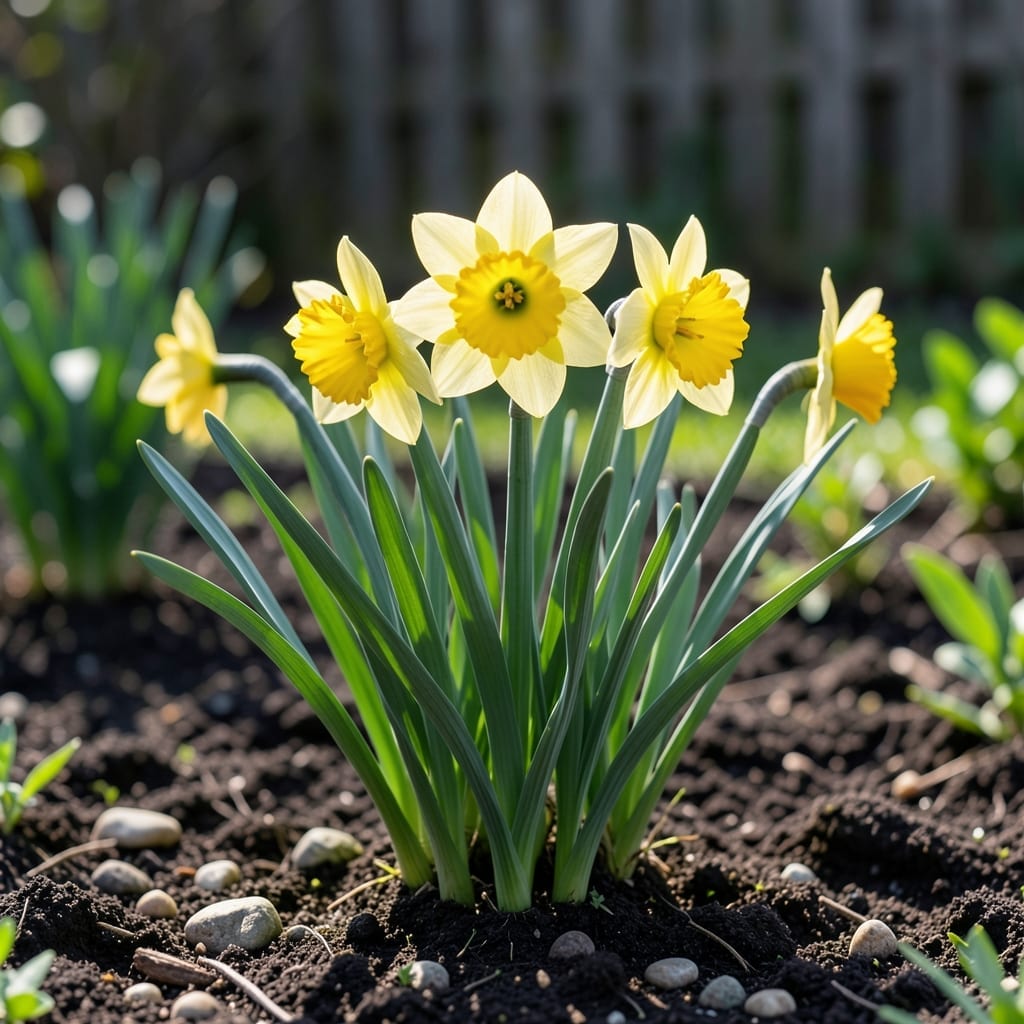
Daffodils are not native to North America; they originated in Europe and North Africa, later introduced to the Americas by early settlers for ornamental purposes.
I find it fascinating that these bright blooms trace their roots to the Mediterranean and parts of Western Europe. 🌟 Early colonists brought them overseas specifically to brighten gardens and landscapes, knowing their hardy nature would adapt well to new climates. Today, they thrive across USDA zones 3-8, naturalizing in many regions where they now appear wild.
💡 In This Article
The Narcissus genus, which includes all true daffodils, naturally thrives in the meadows and woodlands of Southern Europe and North Africa. These regions provide the well-drained soils and mild, wet winters that daffodils prefer. The Iberian Peninsula alone hosts over 30 wild species, with Portugal and Spain serving as major biodiversity hotspots for these flowers.
🌟
Botanists classify daffodils within the Amaryllidaceae family, distinct from other spring bulbs. Their native habitats range from sea level to 3,000-meter elevations in mountainous areas. The bulbs evolved to survive dry summers by entering dormancy, a trait that later helped them adapt to North American growing conditions.
Historical records show Roman soldiers may have carried daffodil bulbs as food during campaigns, accidentally spreading them across Europe. By the 16th century, Dutch and English gardeners had already developed numerous cultivars. This long history of cultivation explains why they appeared so quickly in colonial American gardens.
The most widespread wild species, Narcissus pseudonarcissus (the common daffodil), grows abundantly in the Pyrenees and Alps. Its natural range extends eastward to Turkey and the Middle East, where ancient civilizations first cultivated them for both ornamental and medicinal purposes. ✨
What makes these locations ideal is their combination of cool, moist winters and warm, dry summers. This climate pattern mimics the conditions that trigger daffodil blooming cycles. When introduced to North America, settlers found similar conditions in the Appalachian Mountains and Pacific Northwest, allowing the bulbs to naturalize easily.
Today, botanists estimate there are between 50-100 wild species in the genus, with new varieties still being discovered in remote Mediterranean regions. This genetic diversity explains why daffodils adapt so well to different North American climates, from the cool maritime Pacific coast to the humid Southeast. 💫
Daffodils naturally thrive in meadows and woodlands of Southern Europe and North Africa, particularly the Iberian Peninsula. These regions offer the ideal combination of well-drained soils and mild, wet winters that daffodils prefer.
Early European settlers brought daffodil bulbs to the Americas in the 17th century for ornamental purposes. Their hardy nature allowed them to adapt quickly to new climates, especially in regions like the Appalachian Mountains and Pacific Northwest.
Yes, they’ve naturalized in many areas, particularly in USDA zones 3-8. Their ability to multiply and adapt to various conditions means they often appear wild, though they’re not native. Plant them in undisturbed spots for the best naturalizing results.
While no native flowers are identical, trilliums and bloodroots offer similar spring blooms. However, true daffodils belong to the Narcissus genus, which is exclusive to Europe and North Africa.