
Beautiful Plants For Your Interior
Beautiful Plants For Your Interior
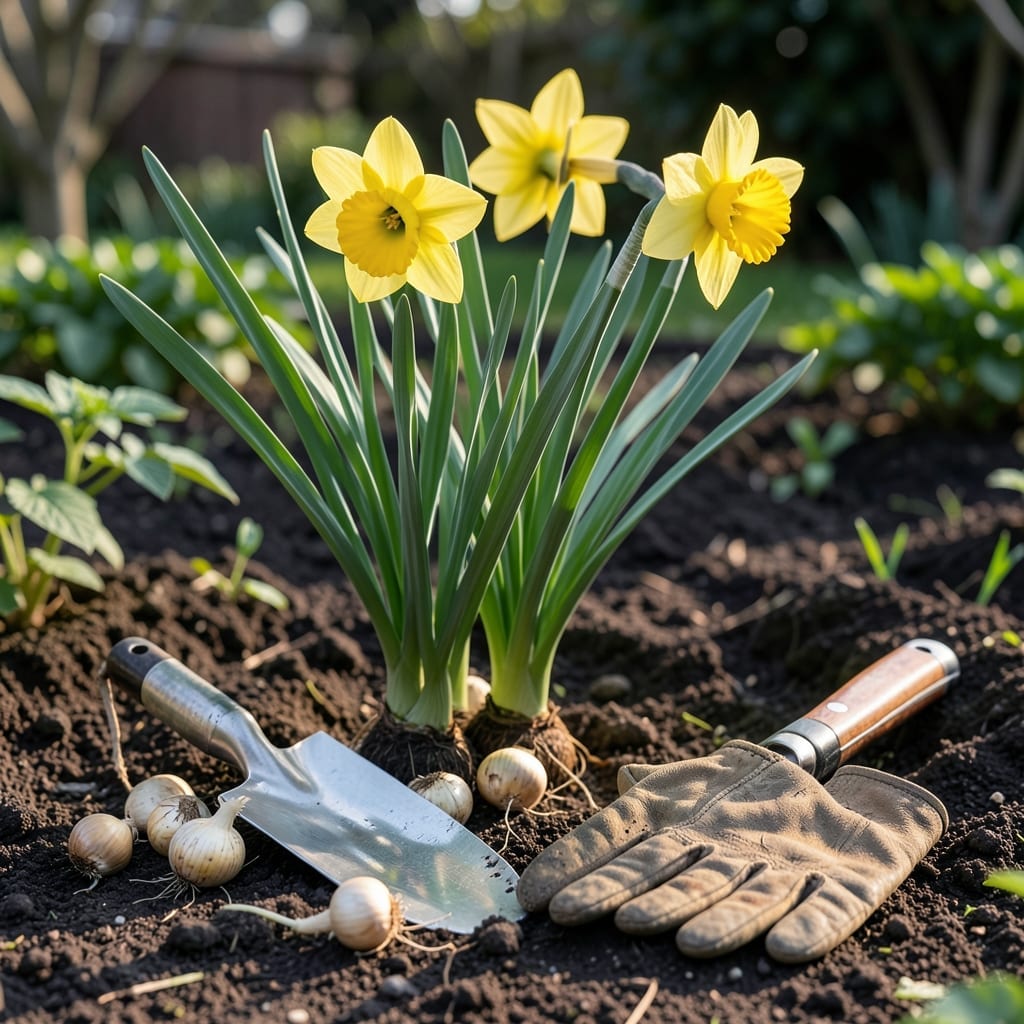
Timing is everything when it comes to planting Daffodil bulbs in Alabama—plant too early or too late, and you might miss out on those vibrant spring blooms. 🌷
Alabama’s 7b-8a zones offer a unique window for gardening success. The key is aligning your efforts with the changing seasons.
I’ve learned through experience that getting this timing right makes all the difference. Whether you’re a seasoned gardener or just starting out, nailing this schedule sets you up for spectacular results.
Discover exactly when to get those bulbs in the ground and why this timing creates the most stunning spring displays in your garden.
Alabama’s USDA zones 7b-8a give gardeners a unique advantage for fall bulb planting. The ideal window is October through early November, when soil temps drop to 60°F or below. This timing allows roots to establish before winter dormancy.
Planting 4-6 weeks before the first hard frost ensures bulbs get the chilling period they need. Alabama’s first frost typically arrives mid-November, so early fall planting aligns perfectly with nature’s schedule.
| Requirement | Specification |
|---|---|
| Best Months | October-November |
| Soil Temp | Below 60°F |
| Planting Depth | 6-8 inches |
| Sun Needs | Full to partial |
| Bloom Time | February-April |
I’ve found that late September can work in northern Alabama where frosts come earlier. But in the southern regions, waiting until October prevents premature sprouting during warm spells.
The soil preparation is just as crucial as timing. Alabama’s clay-heavy soil benefits from compost or sand to improve drainage. Daffodils hate waterlogged roots, so amending the soil is non-negotiable.
For the best results, choose a spot with 6+ hours of sunlight. While daffodils tolerate partial shade, full sun produces the most vibrant blooms. Morning sun with afternoon shade works well in Alabama’s heat.
I always recommend planting in clusters for a natural look. Space bulbs 4-6 inches apart with the pointy end up. A 2-3 inch layer of mulch after planting helps insulate against temperature swings.
Remember that deeper planting in sandy soil (8 inches) helps prevent frost heave. In clay, 6 inches deep is sufficient. The key is consistent moisture after planting to encourage root growth before winter.
Alabama’s mild winters mean you might see early sprouts in late winter. Don’t worry—this is normal! The bulbs are tough and can handle light frosts. Just avoid heavy mulch that can smother new growth.
By following this fall planting schedule, you’ll be rewarded with cheerful yellow blooms as early as February. The wait is worth it when your garden becomes a springtime showcase of color and life. 🌷
Alabama’s clay-heavy soil requires special attention when planting daffodil bulbs. I always start by selecting a well-draining location with at least 6 hours of sunlight daily. This prevents waterlogging, which can rot bulbs before they even get started.
Begin by loosening the soil to a depth of 12 inches, mixing in compost or sand to improve drainage. Daffodils thrive in soil that’s rich but not soggy, so this step is critical for Alabama gardeners.
When digging the holes, aim for a depth of 6-8 inches. In sandy soil, lean toward the deeper end to prevent frost heave. Place bulbs with the pointed tips facing upward, then cover with soil and press gently to remove air pockets.
After planting, water deeply to help roots establish. Alabama’s mild falls mean you won’t need to water as frequently as in summer, but keep the soil moist, not soggy. A light mulch layer helps retain moisture and insulate bulbs.
I’ve found that grouping bulbs in clusters of 5-7 creates the most natural, eye-catching displays. Avoid planting in straight lines for a more organic look. Also, mark your planting spots to avoid accidentally digging them up later.
Finally, resist the urge to fertilize immediately. Wait until early spring when shoots emerge. Then, apply a balanced bulb fertilizer to support strong growth and vibrant blooms. 🌷