
Beautiful Plants For Your Interior
Beautiful Plants For Your Interior
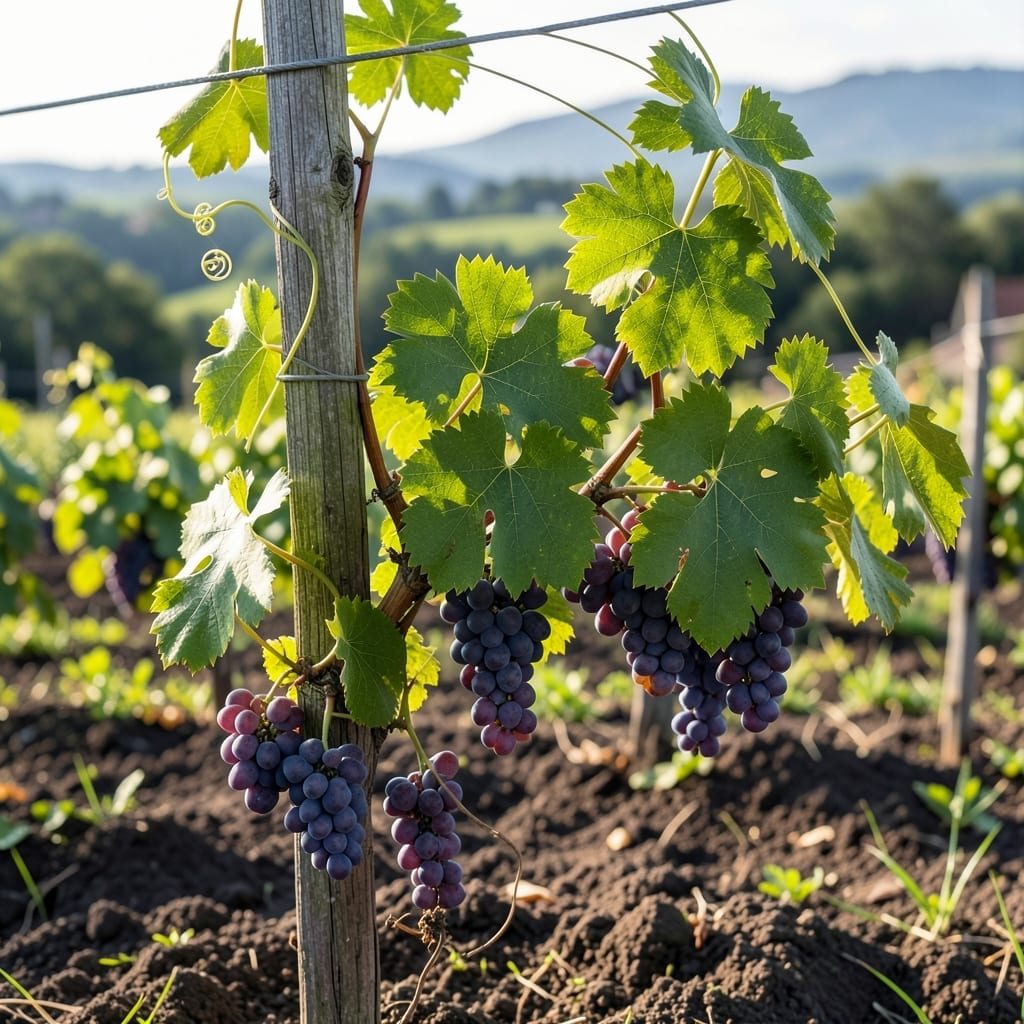
Yes, grape vine leaves are edible when young and tender, commonly used in Mediterranean dishes like dolmas. Older leaves may be tough or bitter.
I love how these leaves bring a unique earthy flavor to meals, especially when picked at the right stage. They’re packed with fiber and antioxidants, which explains their long history in both cooking and traditional medicine. The key is harvesting them before they mature—young leaves wrap beautifully around fillings and soften perfectly during cooking. ✨
💡 In This Article
Grape vine leaves pack a surprising nutritional punch for their size. They’re rich in dietary fiber (about 5-7g per 100g), which supports digestive health, and contain notable amounts of vitamin K, vitamin A, and calcium. The leaves also boast high levels of polyphenols—antioxidants that combat oxidative stress. 🔥
What makes them unique is their concentration of flavonoids and resveratrol, compounds also found in grapes but in different proportions. These contribute to anti-inflammatory properties and may support heart health. Traditional medicine has used grape leaves for centuries to treat conditions from diarrhea to venous insufficiency.
The low calorie count (about 29 calories per 100g) makes them an excellent addition to weight-conscious diets. Their chlorophyll content gives them detoxifying properties, while the natural tannins provide a slightly astringent quality that aids in food preservation. ✨
In Mediterranean cultures, they’re often consumed as part of a dolma—a dish where the leaves are stuffed with rice, herbs, and sometimes meat. This preparation method helps retain most nutrients, as the leaves are typically blanched rather than boiled for long periods. The blanching process actually enhances the bioavailability of some antioxidants.
Research suggests grape vine leaves may help regulate blood sugar levels, thanks to their polyphenol content. They also contain proanthocyanidins, which have been studied for their potential to improve circulation and reduce swelling. This explains their traditional use in treating varicose veins. 💫
Raw leaves are edible but often bitter and tough. Young, tender leaves can be eaten fresh in small quantities, but blanching for 2-3 minutes improves texture and flavor. Always wash thoroughly first.
Most wine grape varieties produce edible leaves, but taste and texture vary. Red grape leaves tend to be more tender than white. Avoid leaves from ornamental vines, as they may contain pesticides.
Soak leaves in cold, salted water for 1-2 hours before blanching. The salt draws out bitter compounds. For stubborn bitterness, repeat the blanching process once more.
When harvested from clean, pesticide-free vines, they’re safe to eat. Avoid leaves from roadsides or commercially sprayed vineyards. If you notice any mold or unusual spots, discard them.