
Beautiful Plants For Your Interior
Beautiful Plants For Your Interior
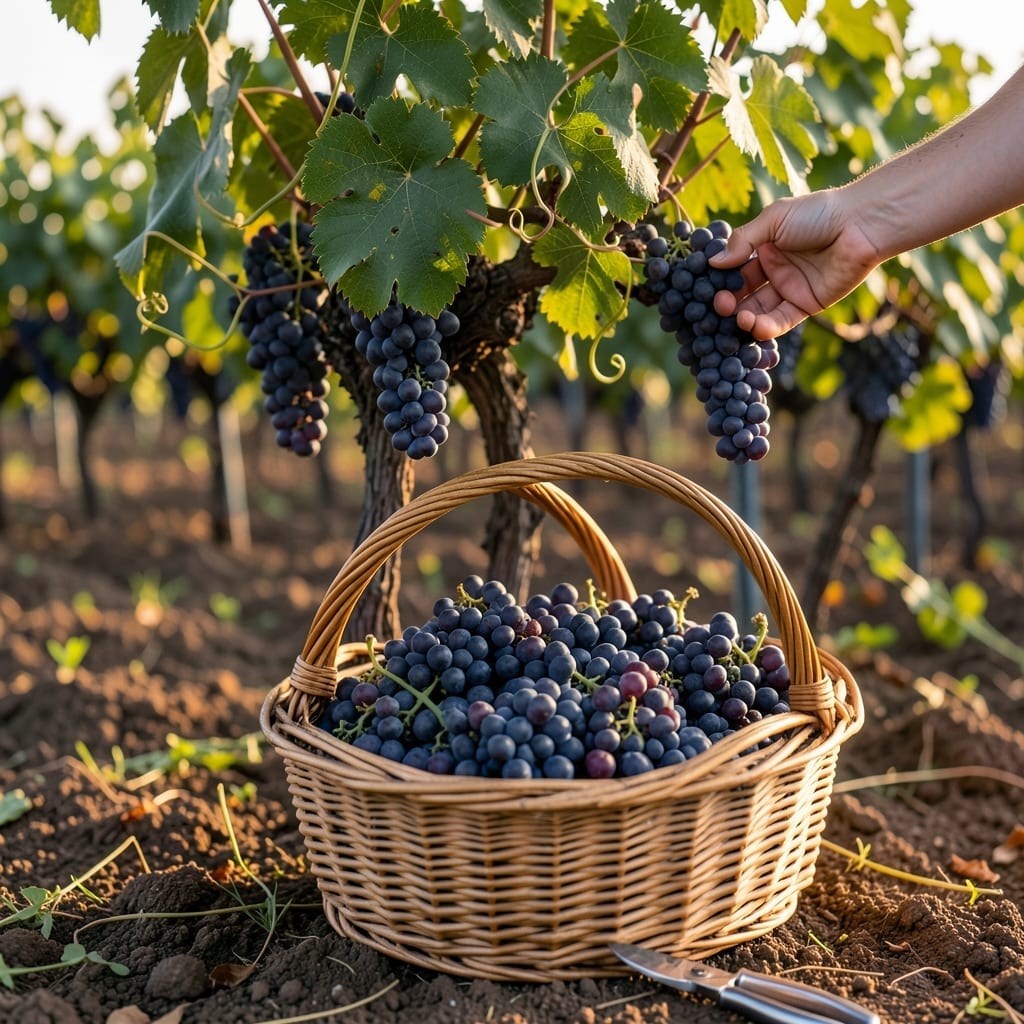
Knowing the perfect grape harvest season can mean the difference between tart disappointment and bursts of sweet, sun-ripened flavor. Timing is everything when it comes to picking 🍇 grapes at their peak.
I’ve seen gardeners miss the ideal window by a few days and end up with lackluster fruit. It’s heartbreaking after all that care and patience.
But here’s the good news: learning to spot the visual and aroma signs takes the guesswork out of the process. You’ll know exactly when your grapes are ready.
Discover how to read your vines like a pro and harvest at the most flavorful moment. Your taste buds will thank you.


I always tell fellow gardeners that color is the first clue when determining grape ripeness. For red or purple varieties, look for a deep, uniform hue that matches the variety’s mature color. Green grapes should have a translucent, golden tint rather than opaque paleness.
Another key indicator is berry plumpness. Ripe grapes feel firm but slightly soft when gently squeezed, and the skin should have a slightly waxy appearance. Underripe grapes often look dull and feel hard to the touch.
The stem condition is often overlooked but crucial. When grapes are ready, the stems turn brown and become woody and dry. Green stems usually mean the grapes need more time on the vine.
For seeded varieties, check the seed color. Ripe grapes have dark brown or black seeds, while unripe ones have green or white seeds. This is a surefire sign of maturity.
I also recommend examining the cluster as a whole. Ripe clusters have full, plump berries that are uniformly colored. If you see shriveled or off-color grapes, the cluster may not be fully ready.
Don’t forget to check the ease of detachment. Ripe grapes should come off the vine easily with a gentle tug. If they resist, they likely need more time to ripen fully.
In my experience, morning harvests yield the best results. The grapes are cooler and firmer, making them easier to handle without damage. Plus, the sugar concentration is often higher after a cool night.
Finally, always taste-test a few grapes before harvesting the entire vine. This confirms that the flavor, sweetness, and acidity balance are just right. Trust your senses—they’re your best tools!
With these visual cues, you’ll never miss the perfect harvest window again. Happy picking! ☀️
I always tell gardeners that the nose knows best when testing grapes. A strong sweet aroma at the stem end signals peak ripeness. This is especially true for wine grapes and table varieties alike. ☀️
For the most accurate results, I taste test a few grapes from different clusters. Look for balanced sweetness with just a hint of acidity. This method works for all grape varieties, from Concord to Thompson Seedless. 🌿
I’ve found that early morning is the best time to test. The grapes are fresh from overnight dew and their flavors are most concentrated. This timing helps avoid the midday heat that can temporarily alter taste. 💧
Remember that color isn’t everything. Some green grapes stay light when ripe, while others develop golden hues. I always check the seed color too – brown seeds indicate maturity in seeded varieties.
For wine grapes, I look for slightly shriveled skins, a sign of concentrated sugars. Table grapes should have smooth, unblemished skins with no green patches near the stem.
Finally, I check the stem attachment. Ripe grapes will detach easily with a gentle tug, while unripe ones cling tightly. This simple test works for all grape varieties in my garden. ✂️