
Beautiful Plants For Your Interior
Beautiful Plants For Your Interior
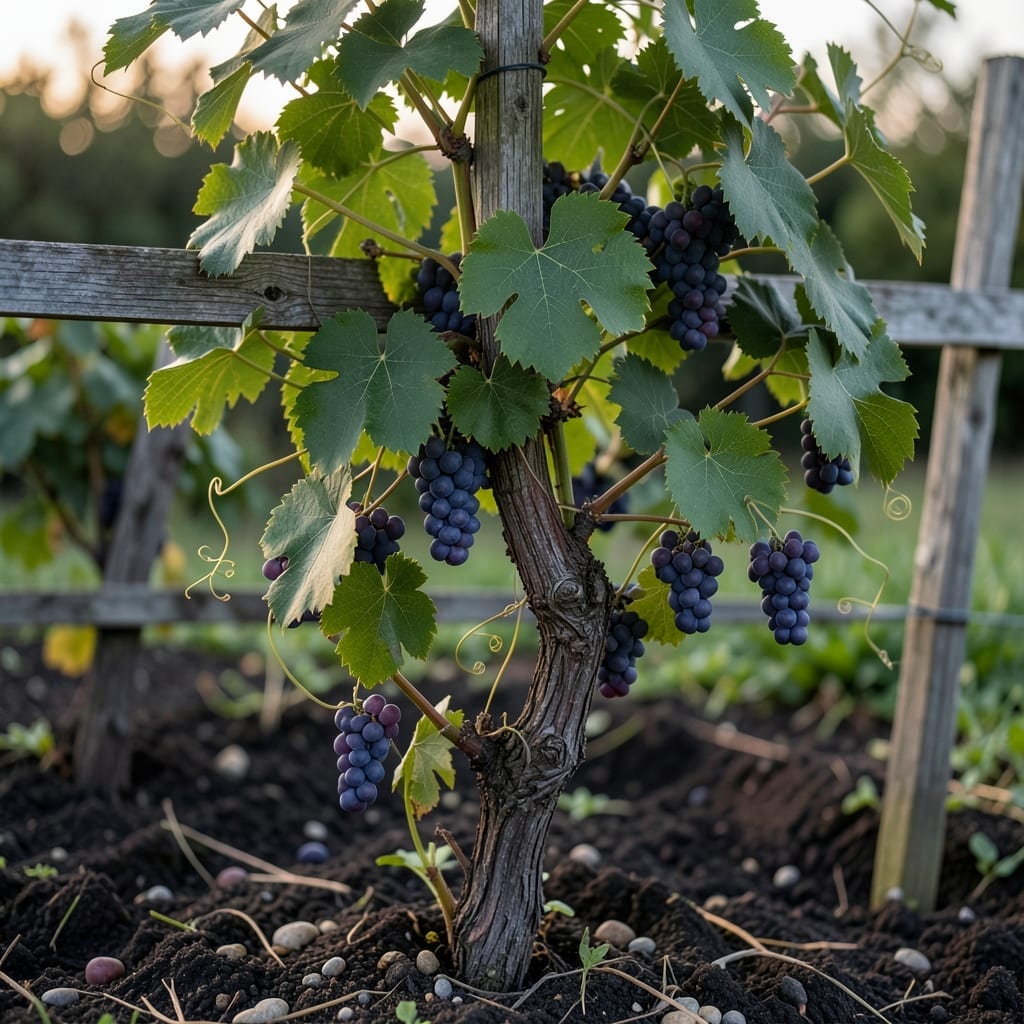
Yes, grape leaves are edible and commonly used in Mediterranean and Middle Eastern cuisines. They’re safe to eat when fresh, young, and properly prepared, often stuffed or cooked.
I’ve found these leaves add a unique, slightly tangy flavor that works wonderfully in dishes like dolmas or as a wrap for grilled foods. 🔥 Their texture becomes tender when cooked, making them perfect for stuffing with rice, herbs, and spices. What makes them stand out is their versatility in both traditional and modern recipes.
💡 In This Article
Grape leaves pack a surprising nutritional punch with high levels of vitamin K (about 10.6 mcg per leaf), vitamin A, and calcium. They’re also rich in flavonoids like quercetin and kaempferol, which give them powerful antioxidant properties that help combat oxidative stress in the body. 🔥
These compounds contribute to their anti-inflammatory effects, which studies suggest may support cardiovascular health by improving blood vessel function. The fiber content, while modest per leaf, aids digestion when consumed as part of stuffed dishes. Their low calorie count (about 5 calories per large leaf) makes them an excellent nutrient-dense addition to meals.
Traditional medicines have used grape leaves for centuries to treat conditions like diarrhea and venous insufficiency. Modern research supports these uses, showing that extracts from grape leaves can help reduce swelling and improve circulation. The leaves’ polyphenol content is particularly notable, often compared to green tea in terms of antioxidant capacity.
In culinary applications, the leaves’ slight bitterness balances rich fillings, while their nutritional profile enhances the overall health value of dishes. When blanched before use, they retain most of their beneficial compounds, making them both a flavorful and health-conscious choice for traditional recipes.
What most people don’t realize is that grape leaves contain resveratrol, the same compound found in red wine that’s linked to heart health benefits. This makes them a unique plant-based source of this valuable polyphenol, offering a way to gain its advantages without alcohol consumption. ✨
Yes, they should always be cooked first. Raw leaves can be tough and bitter. Blanch them in boiling water for 2-3 minutes to soften and remove bitterness before using in recipes.
Stick to leaves from edible grape varieties. Avoid leaves from ornamental vines or those treated with pesticides. Wild grape leaves are safe if properly identified and cleaned.
They have a mild, slightly tangy flavor with earthy undertones. When stuffed and cooked, they absorb the flavors of the filling while adding a subtle herbal note.
Store blanched leaves in an airtight container with a damp paper towel for up to 5 days. For longer storage, freeze them in layers separated by parchment paper.
Generally safe, but some people may experience mild digestive upset if eating large quantities. Always cook them thoroughly and avoid leaves from non-food grapevines.