
Beautiful Plants For Your Interior
Beautiful Plants For Your Interior
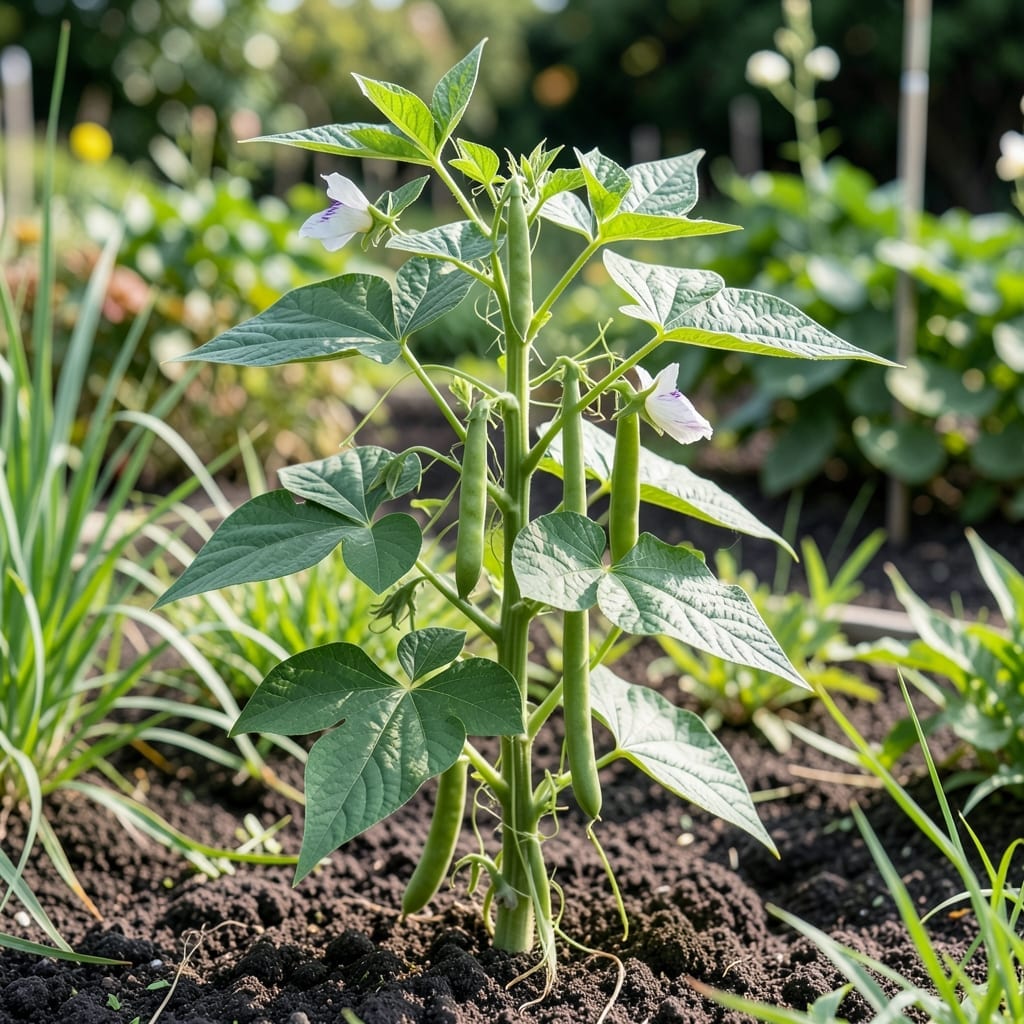
Yes, garden beans are green beans. The term refers to immature, young pods of common bean plants harvested before the seeds inside fully develop, making them tender and edible whole.
I grow these in my garden every summer, and what fascinates me is how the pods transform from slender, crisp green beans to mature, seedy shelling beans if left too long. This dual nature explains why the terms overlap in conversation. The tender stage is ideal for fresh eating, while later harvests work better for drying and storage. ✨
💡 In This Article
Phaseolus vulgaris is the scientific name for common beans, which includes both garden and green varieties. These terms describe the same plant at different maturity stages. The pods we call green beans are simply harvested young, typically 45-60 days after planting, before seeds develop fully inside.
At this early stage, the entire pod remains tender and edible, measuring about 4-6 inches long. The plant’s growth habit includes both bush types (growing 1-2 feet tall) and pole varieties (climbing 6-8 feet or more). This adaptability makes them popular in home gardens across climates. 🔥
What distinguishes garden beans is their cultivation purpose. When grown specifically for fresh pod consumption, they’re called green beans. The same species, if left to mature for 80-100 days, produces dry beans for shelling. This dual-stage nature explains the terminology overlap in horticulture.
The color isn’t always green either. Some varieties produce yellow (wax beans), purple, or even striped pods while still being botanically identical. These color variations occur due to different anthocyanin concentrations in the pod skin, but all share the same tender quality when harvested young. ✨
Nutritionally, these young pods offer high fiber content (about 2.7g per 100g) and vitamin C, with a crisp texture that softens slightly when cooked. The plant’s ability to fix nitrogen in soil also makes it valuable for crop rotation in organic gardening practices. 🌟
They aren’t always green! Varieties can produce yellow (wax beans), purple, or even striped pods. The color comes from different pigment levels, but all stay tender when picked young.
Harvest when pods are 4-6 inches long, firm, and snap easily. This is usually 50-60 days after planting. Picking regularly encourages more production.
Yes! Choose bush varieties and a container at least 8-12 inches deep. Ensure it has good drainage and gets 6-8 hours of sunlight daily.
They become tough and seedy, transitioning from tender pods to dry shelling beans. The plant focuses energy on seed development instead of new pods.