
Beautiful Plants For Your Interior
Beautiful Plants For Your Interior
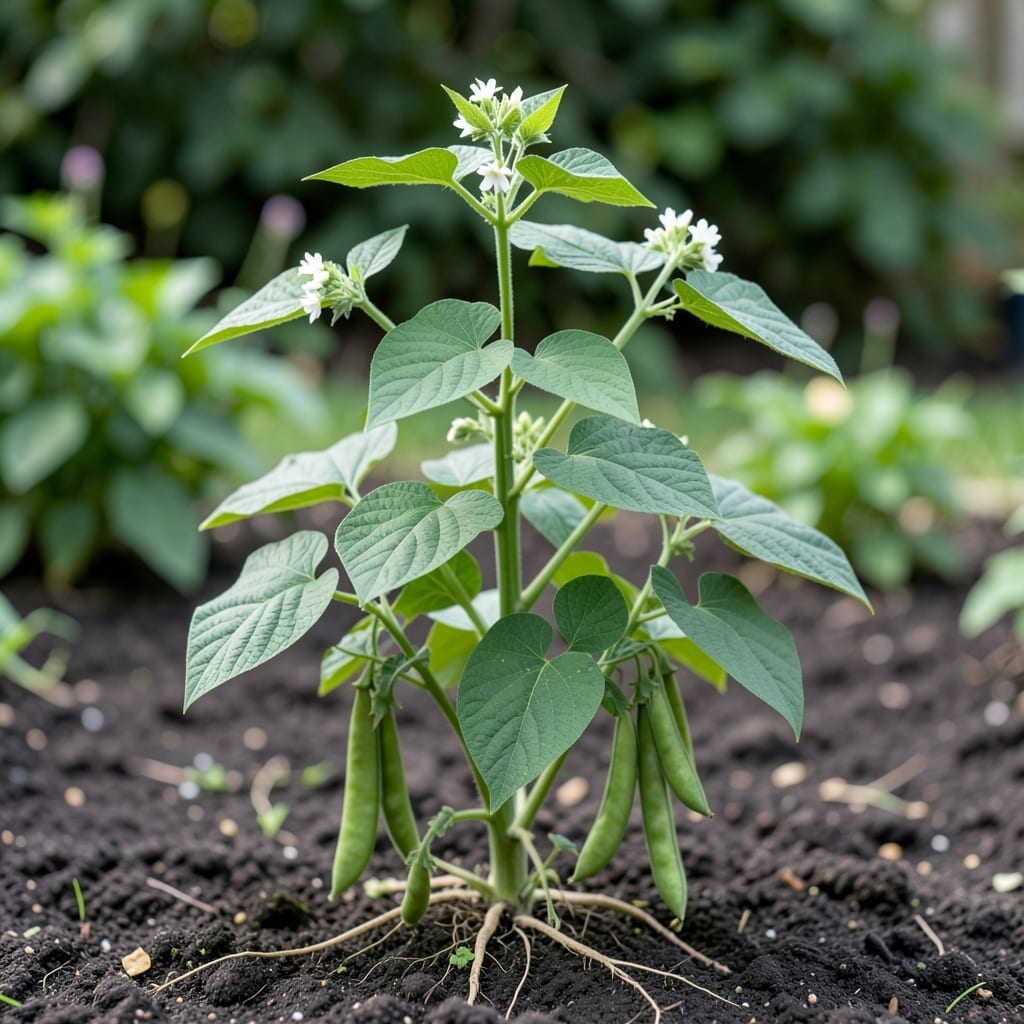
The scientific name for common bean is Phaseolus vulgaris. Other varieties include Vigna unguiculata for cowpea and Glycine max for soybean.
These classifications help botanists and farmers distinguish between bean types based on their genetic and physical traits. Phaseolus vulgaris alone covers most garden varieties like kidney, pinto, and black beans, each with unique growing needs. 🔥
Understanding these names matters because it ensures accurate communication in agriculture and research. For example, Glycine max identifies soybeans, which have very different uses compared to common beans. ✨
💡 In This Article
The taxonomic hierarchy for common beans follows a precise path: Plantae (kingdom) → Tracheophyta (vascular plants) → Magnoliopsida (dicots) → Fabales (order) → Fabaceae (legume family). This places them alongside peas and lentils in the legume group, united by their nitrogen-fixing root nodules. 🔥
Within Fabaceae, beans split into key genera: Phaseolus (common beans), Vigna (cowpeas), and Glycine (soybeans). Each genus has distinct traits—Phaseolus vulgaris features twinning vines, while Vigna unguiculata thrives in heat with drought-resistant pods. These differences guide agricultural practices worldwide. ✨
Phaseolus vulgaris dominates garden varieties, yet its cousins serve unique roles. Glycine max (soybean) powers global food systems with high protein content, while Vigna radiata (mung bean) excels in sprout production. Botanists use these names to track genetic diversity and breeding potential. 🌟
The classification system isn’t arbitrary. It reflects evolutionary relationships, with DNA analysis confirming that Phaseolus and Vigna diverged about 10 million years ago. This history explains why cross-breeding between genera rarely succeeds, preserving each group’s distinct characteristics. ⚡
Practical implications abound: knowing a bean is Phaseolus coccineus (scarlet runner) tells you it needs trellising, while Vigna angularis (adzuki) prefers cooler climates. This precision helps farmers select optimal varieties for their conditions, maximizing yield and quality. 💫
Scientific names reflect each bean’s unique genus and species, based on genetic and physical traits. Phaseolus vulgaris covers common beans, while Vigna unguiculata identifies cowpeas—this precision helps botanists and farmers distinguish varieties accurately.
Check seed packets or gardening resources, which typically list both common and scientific names. For example, kidney beans are Phaseolus vulgaris, while soybeans are Glycine max. This ensures you’re growing the right variety.
Yes, most edible beans are part of the Fabaceae family, also known as legumes. This includes peas, lentils, and peanuts, all sharing nitrogen-fixing abilities that benefit the soil.
Phaseolus includes common beans like pinto and black beans, while Vigna covers cowpeas and mung beans. The genera differ in growth habits—Vigna species often thrive in hotter, drier climates.
It’s not recommended. While they share a family, cross-pollination between genera like Phaseolus and Vigna rarely succeeds. Stick to one genus per garden bed to avoid confusion and ensure healthy growth.