
Beautiful Plants For Your Interior
Beautiful Plants For Your Interior
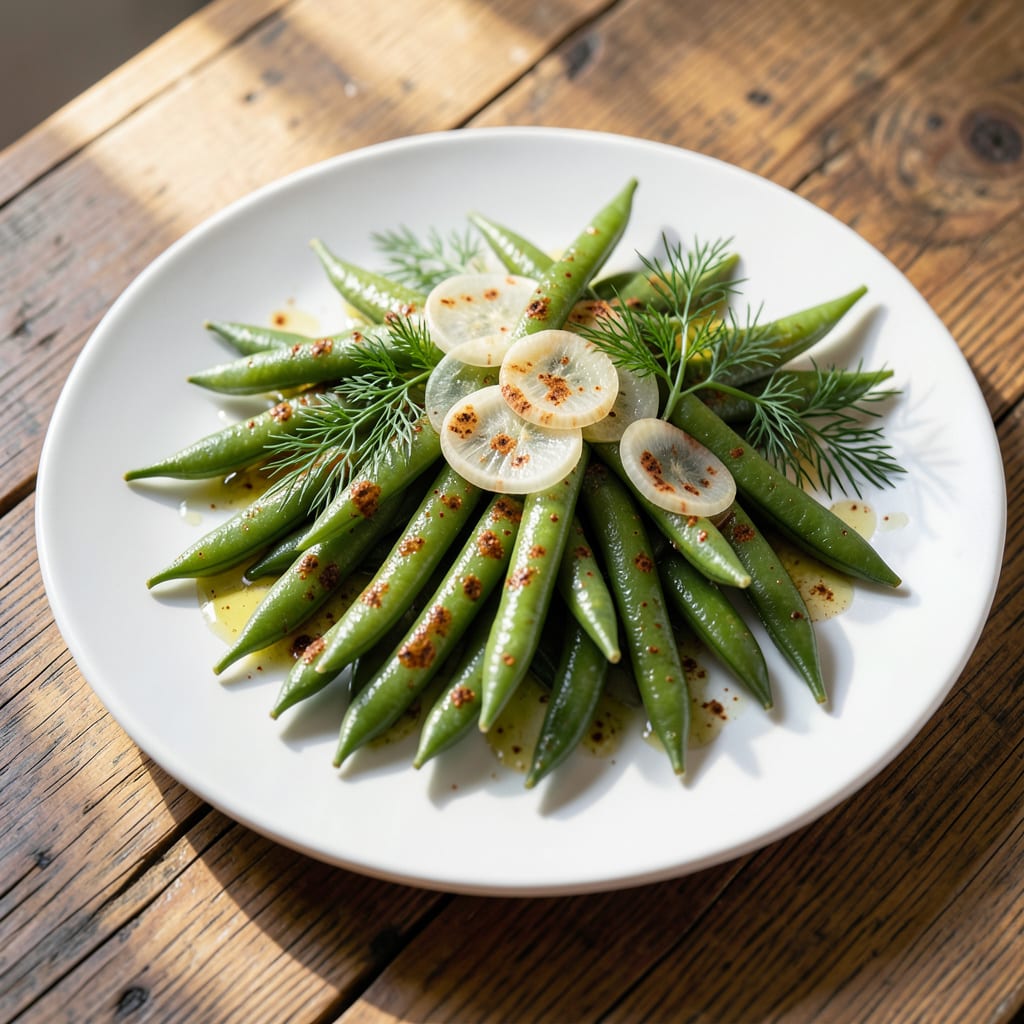
Those tiny orange spots on your green bean leaves aren’t dirt. I first noticed them on my pole beans last July—small, rust-colored dots that looked harmless until they spread overnight.
Early stage rust thrives in damp conditions, and once it takes hold, it weakens plants fast. The good news? Catching it this early means you can stop it before it ruins your harvest.
Organic control starts with removing infected leaves and improving air circulation. A copper fungicide spray can help, but prevention is simpler than you think.
Works for bush beans too, and saves you from replanting midseason. Here’s how to spot and stop it.
Early stage green bean rust is primarily caused by the fungal pathogen Uromyces appendiculatus. This disease thrives under specific environmental and agricultural conditions, often exploiting vulnerabilities in plant health. Below are the key factors that contribute to its development.
Prolonged leaf wetness, often from rain, overhead irrigation, or high humidity, creates the perfect environment for rust spores to germinate. The fungus requires 6–12 hours of continuous moisture to infect green bean leaves. Fields with poor drainage or dense plant canopies (reducing airflow) are especially susceptible.
The pathogen flourishes in temperatures between 65–75°F (18–24°C). These conditions accelerate spore production and spread. Cooler or hotter climates may slow progression, but the disease can still persist in milder forms.
Overcrowded plantings or lack of pruning restrict airflow, trapping moisture around foliage. This stagnant environment allows rust spores to settle and multiply. Proper spacing (12–18 inches between plants) and trellising can mitigate this risk.
The fungus overwinters in infected plant debris or contaminated seeds. Using certified disease-free seeds and rotating crops (avoiding legumes in the same spot for 2+ years) breaks the pathogen’s lifecycle.
Some green bean cultivars lack genetic resistance to rust. Planting rust-resistant varieties (e.g., ‘Provider’ or ‘Blue Lake’) reduces vulnerability. Check seed labels for disease resistance codes (e.g., “R” for rust).
Catching green bean rust early makes treatment far easier. Below are targeted fixes for common causes, paired with prevention tips to keep your plants thriving.
Overcrowded plants or dense foliage trap moisture, encouraging rust spores to spread. Thin seedlings to 4–6 inches apart and prune lower leaves to boost airflow. Space rows at least 18 inches apart. For raised beds or containers, ensure they’re not packed too tightly.
Prevention tip: 💡 Stake or trellis pole beans to lift vines off the ground, reducing humidity around leaves.
Wet leaves are a rust magnet. Water at the base of plants early in the day so foliage dries quickly. Avoid overhead sprinklers—opt for drip irrigation or a soaker hose instead. If rain is frequent, mulch with straw to prevent soil splashing onto leaves.
Prevention tip: 🌡️ Monitor humidity—aim for 40–60% to discourage fungal growth.
Rust spores linger in soil and plant debris. Pull and destroy infected plants (don’t compost them!). Rotate crops—avoid planting beans or legumes in the same spot for at least 3 years. Clean garden tools with a 10% bleach solution after use.
Prevention tip: ✨ Solarize soil in early spring by covering with clear plastic for 4–6 weeks to kill spores.
At the first sign of rust, spray leaves with neem oil or copper-based fungicides (follow label rates). For a DIY option, mix 1 tsp baking soda + 1 quart water + a few drops of dish soap, and apply weekly. Always spray in the early morning for best absorption.
Prevention tip: 🎯 Use resistant varieties like ‘Provider’ or ‘Blue Lake’ to minimize future outbreaks.
Look for tiny orange or rust-colored spots on the undersides of leaves. They often appear as small, powdery pustules that can be wiped off early on. Check older leaves first, as they show symptoms before newer growth.
Yes, rust spores travel by wind and water. Isolate infected plants immediately and avoid working with them when leaves are wet. Remove and destroy affected foliage to prevent further contamination.
Yes, the beans themselves remain safe to eat. The fungus primarily affects leaves and stems. However, severely stressed plants may produce fewer pods, so treat the issue promptly to maintain yield.
Remove infected leaves first, then apply neem oil or copper fungicide at dawn. Improve airflow by pruning and spacing plants 12-18 inches apart. Avoid overhead watering to keep leaves dry.
