
Beautiful Plants For Your Interior
Beautiful Plants For Your Interior
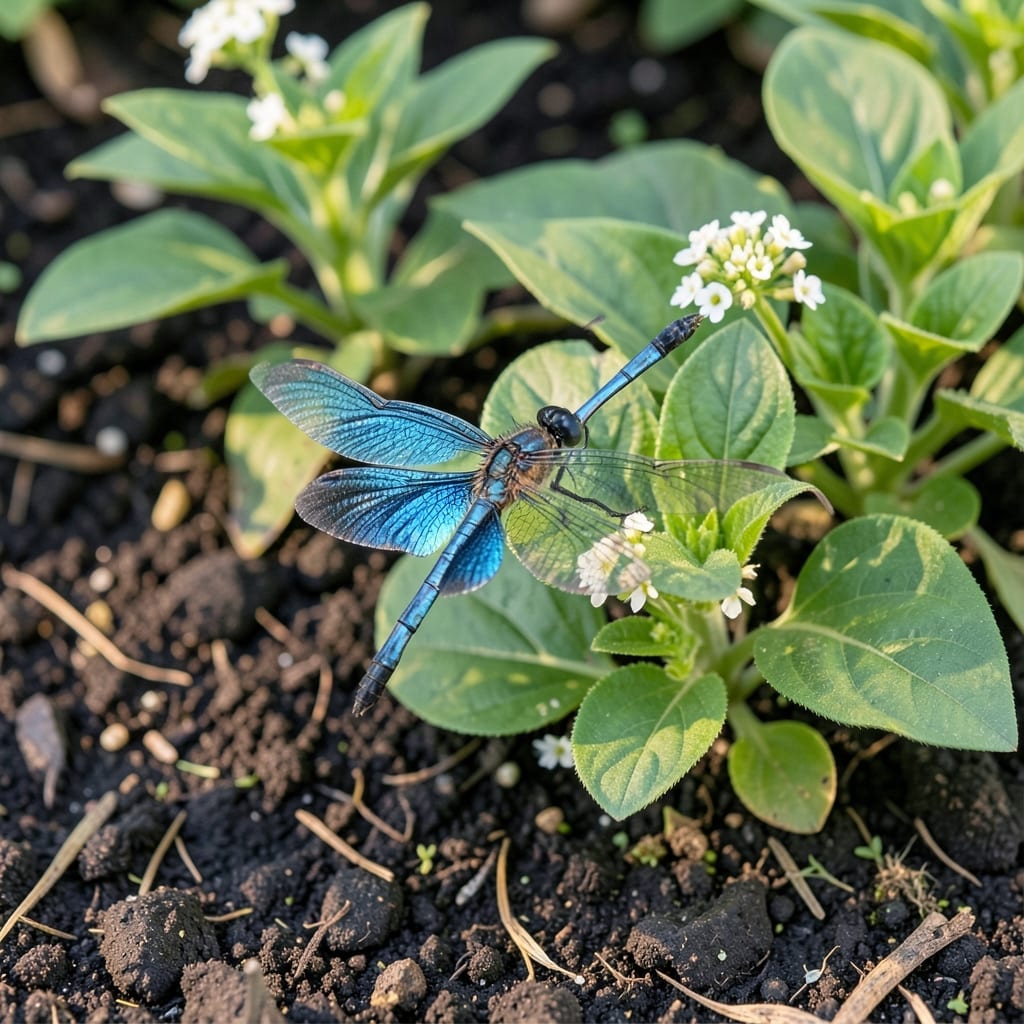
Dragonflies are highly beneficial for gardens as they naturally control pests by feeding on mosquitoes, aphids, and other harmful insects, reducing the need for chemical pesticides.
I’ve seen firsthand how these agile hunters patrol gardens, consuming dozens of pests daily without harming plants. Their presence signals a healthy ecosystem, as they thrive in balanced environments. Attracting them is simple: a small water source and native plants provide the ideal habitat. ✨
This natural pest control saves time and money while protecting beneficial pollinators from harsh chemicals. 💫
💡 In This Article
Dragonflies are voracious predators with a 95% hunting success rate, making them one of nature’s most efficient pest controllers. Their large, multifaceted eyes provide 360-degree vision, allowing them to spot tiny insects like gnats and whiteflies from 10-15 feet away.
Unlike birds that peck at foliage, dragonflies snatch pests mid-air, consuming 30-100 mosquitoes per day without disturbing plants. 🔥
Their larvae, called nymphs, are equally effective underwater hunters. Living in ponds or water features, they feed on mosquito larvae, tadpoles, and even small fish for 1-3 years before emerging. This dual-life cycle means they tackle pests both above and below the surface, creating a comprehensive defense system for your garden ecosystem. ✨
What sets dragonflies apart is their ability to target specific pests that damage plants. They focus on soft-bodied insects like aphids, which suck sap from leaves, and whiteflies, which transmit plant diseases. By reducing these populations, they prevent the yellowing leaves and stunted growth that often plague gardens. 💫
Their hunting technique involves forming “feeding swarms” at dusk, when many pests are most active. These coordinated groups can clear an area of flying insects in under an hour, making them far more effective than isolated hunters. The presence of these swarms often indicates a healthy, balanced garden environment. ⚡
Unlike chemical pesticides that can harm beneficial insects like bees, dragonflies are selective hunters. They ignore pollinators and focus solely on pests, making them an eco-friendly solution that supports biodiversity while protecting your plants.
Dragonflies primarily feed on mosquitoes, gnats, and aphids. Their larvae consume mosquito larvae and other aquatic insects, making them effective at all life stages.
Look for them hovering near water or plants during daylight. Their iridescent wings and rapid flight patterns are unmistakable. You may also notice fewer flying pests.
No, they focus solely on pests and ignore plants. Unlike pesticides, they won’t harm bees or butterflies, making them a safe, natural solution.
You may see a difference in 1-2 weeks as they establish hunting patterns. Consistent activity can significantly lower pest numbers in a month.