
Beautiful Plants For Your Interior
Beautiful Plants For Your Interior
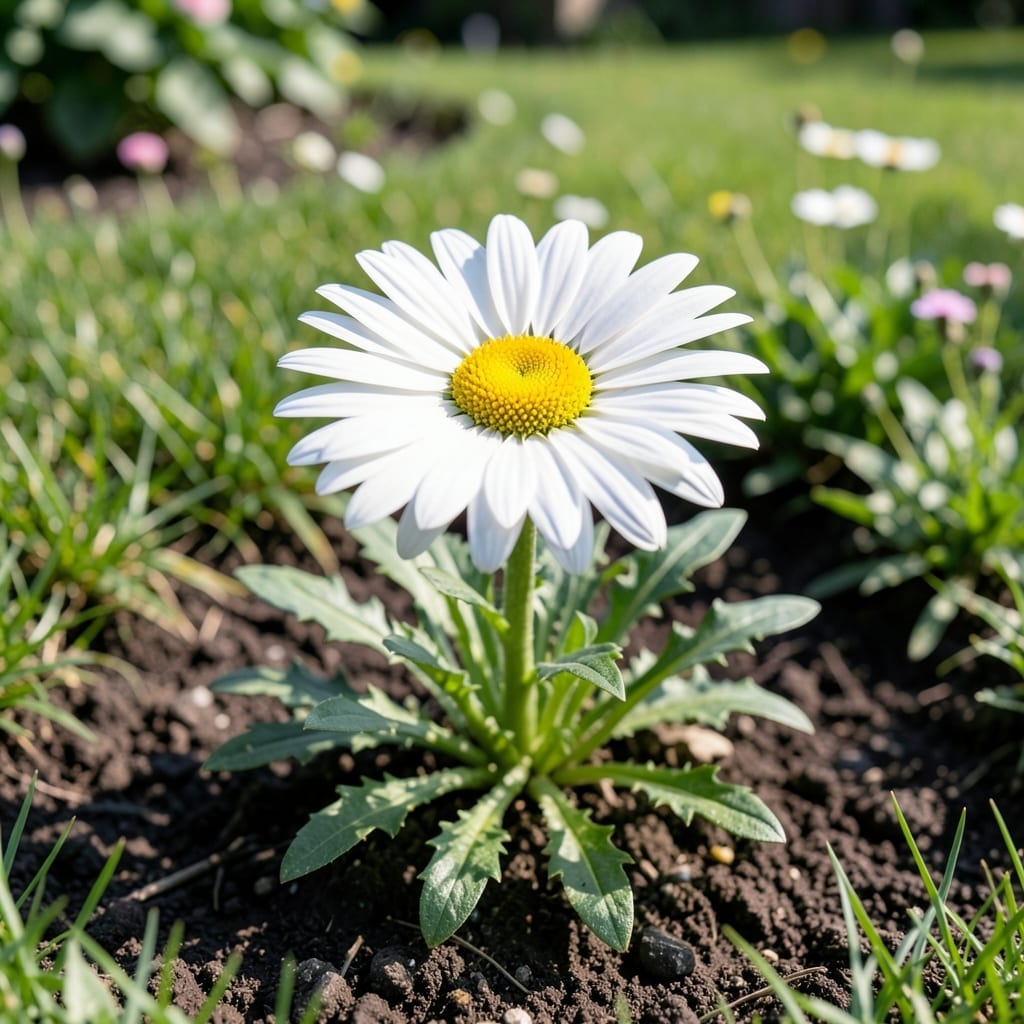
Daisies are not typically classified as weeds. They are often cultivated as ornamental flowers, though some species can spread aggressively and may be considered weedy in certain contexts.
What makes daisies unique is their dual nature in landscaping. 🌟 Many gardeners intentionally plant them for their cheerful blooms, but varieties like the oxeye daisy can overrun lawns if left unchecked. I’ve seen cases where they transition from prized flowers to unwelcome guests when they start crowding out other plants.
💡 In This Article
Daisies belong to the Asteraceae family, the same as sunflowers and asters. Botanists classify them as herbaceous perennials, not weeds, because they’re intentionally cultivated for their ornamental value. The key distinction lies in human intent—weeds are typically unwanted plants that compete with desired species, while daisies are deliberately planted for their aesthetic appeal. 🌟
What sets daisies apart is their controlled growth habit when managed properly. Most ornamental varieties, like the Shasta daisy, grow in neat clumps reaching 1-3 feet tall. Their roots form a fibrous network rather than the aggressive, deep taproots of true weeds like dandelions. This makes them easier to contain within designated garden spaces.
The confusion arises with wild daisy species like the oxeye daisy (Leucanthemum vulgare). These can spread via both seeds and rhizomes, covering up to 6 feet in diameter per plant. In agricultural settings, this aggressive growth pattern does earn them the “weed” label.
Farming experts note they can reduce crop yields by 10-20% when left uncontrolled in fields. ✨
Botanically, the definition of a weed remains subjective. The same oxeye daisy that’s a nuisance in a wheat field might be prized in a wildflower meadow. The distinction depends entirely on the context and the gardener’s goals. What matters most is understanding each species’ growth patterns and potential impact on your specific landscape.
For classification purposes, true weeds typically share these traits: rapid, uncontrolled growth; competition with desired plants; and difficulty in eradication. Daisies only meet these criteria in specific situations, usually when wild varieties escape cultivation. In most home gardens, they behave as well-mannered perennials that return reliably each spring. 💫
Wild varieties like oxeye daisies spread rapidly via seeds and rhizomes. In ideal conditions, a single plant can cover 6 feet in diameter, crowding out other species.
Ornamental daisies rarely cause harm, but wild types may compete with vegetables or flowers. In agriculture, they can reduce crop yields by 10-20% if unchecked.
Plant them in contained borders with 6 inches deep edging. Divide clumps every 2-3 years and remove runners promptly to control growth.
No. Clump-forming types like Shasta daisies stay put, while wild oxeye daisies spread aggressively. Always check the species before planting.