
Beautiful Plants For Your Interior
Beautiful Plants For Your Interior
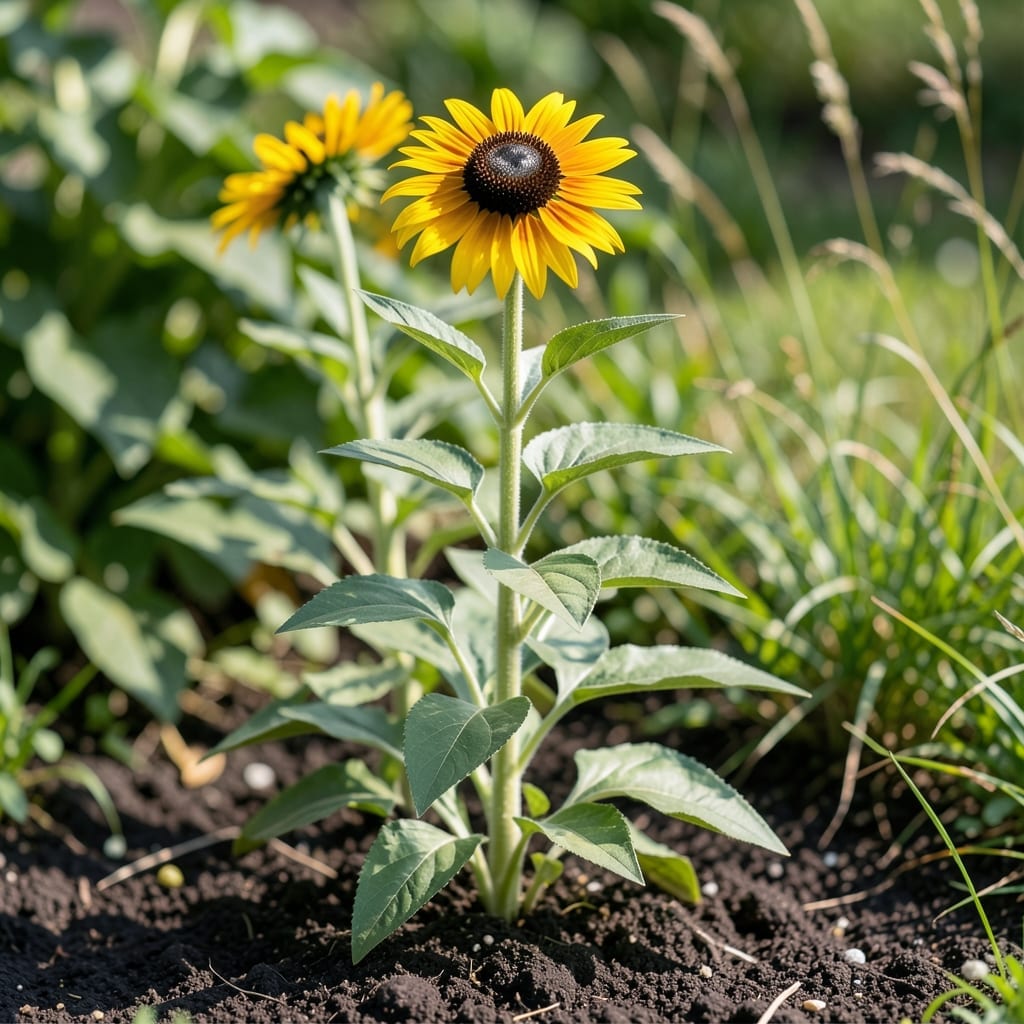
Black Eyed Susans spread moderately fast, expanding 1-2 feet per year through self-seeding and rhizomes under ideal conditions. Full maturity typically occurs within 2-3 growing seasons.
I’ve seen these hardy perennials take over sunny garden spots with impressive speed, thanks to their dual spreading methods. 🔥 The self-seeding drops new plants where you least expect them, while the underground rhizomes push outward steadily. This makes them great for filling space but requires vigilance to prevent overcrowding your favorite flowers.
💡 In This Article
The self-seeding mechanism kicks in as flowers fade in late summer. Each dried cone releases 100-200 seeds that scatter up to 3 feet from the parent plant, germinating the following spring where soil stays moist. This wind-assisted dispersal creates dense colonies over time. 🔥
Underground, the rhizome system expands horizontally at 6-12 inches per year in ideal conditions. These thick, white roots send up new shoots every 4-6 inches, creating a spreading mat. In rich, well-drained soil with full sun, this growth can double the plant’s footprint annually.
Environmental factors dramatically influence spread rate. Areas with consistent moisture see 30% faster rhizome growth than drought-prone spots. Similarly, disturbed soil (like garden beds) encourages more aggressive self-seeding than established lawns. The combination often leads to exponential expansion. ✨
What’s fascinating is how these two methods complement each other. While rhizomes create dense patches, self-seeding fills gaps and colonizes new areas. In optimal conditions, a single plant can cover 4-6 square feet within 3 years, with some varieties spreading even faster in warm climates.
Soil temperature plays a key role too. Rhizomes grow most actively when soil stays above 60°F, which is why spread accelerates in late spring and early summer. This thermal trigger explains why Black Eyed Susans in southern gardens often outpace those in cooler northern zones. 💫
Black Eyed Susans spread fastest in full sun, expanding up to 2 feet annually. Shade slows growth significantly, often reducing spread by 50% or more.
Without control, they can dominate a bed in 2-3 years. Use root barriers or regular division to keep them in check while enjoying their vibrant blooms.
Install edging 12 inches deep around the bed. Deadhead flowers before seed release and pull new shoots early. This prevents lawn invasion effectively.
No—some cultivars like ‘Goldsturm’ spread aggressively, while others stay more contained. Check plant tags for specific growth habits before planting.