
Beautiful Plants For Your Interior
Beautiful Plants For Your Interior
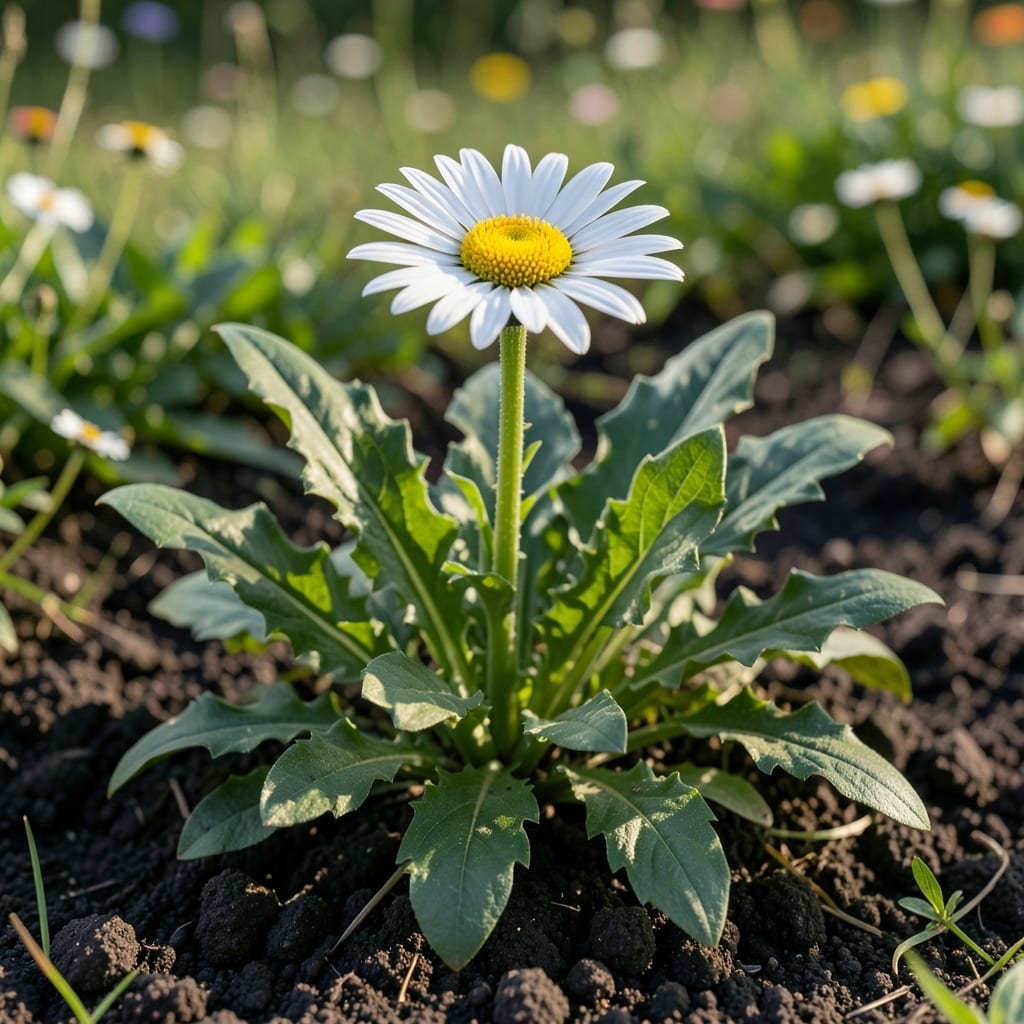
Most daisies are perennials, returning year after year, though some varieties like the African daisy are annuals. The lifespan depends on the specific species and growing conditions.
I’ve noticed that gardeners often get surprised by how long their daisies stick around. In my experience, Shasta daisies and oxeye daisies reliably return each spring, while tender varieties like African daisies need replanting every year. Climate plays a huge role too—harsh winters can turn a marginal perennial into an annual. ✨
What’s fascinating is how their survival strategies differ. Perennials store energy in their roots, while annuals complete their entire life cycle in a single season. 🌟
💡 In This Article
Daisies fall into two primary lifespan categories because of their distinct reproductive strategies. Perennial daisies like Shasta and oxeye varieties develop deep root systems that store energy through winter dormancy, allowing them to regrow from the same crown each spring.
This survival mechanism involves energy reserves in rhizomes or tubers that fuel new growth when temperatures rise above 50°F. 🌟
Annual daisies such as African daisies or Marguerite daisies complete their entire life cycle in one growing season. They germinate, flower, produce seeds, and die within 12-16 weeks. Their genetic programming prioritizes rapid reproduction over long-term survival, with some varieties producing up to 100 seeds per plant before winter kills them. ✨
Climate zones dramatically influence which daisies behave as perennials. Species like English daisies act as perennials in USDA zones 4-8 but may die back in colder areas. Meanwhile, Nipple daisies thrive as perennials in zones 7-11 but require winter protection north of zone 6.
This adaptability explains why the same species might be annual in one garden and perennial in another. 🔥
The key difference lies in their overwintering strategies. Perennials enter dormancy when soil temperatures drop below 40°F, preserving their root systems while foliage dies back. Annuals, however, lack this adaptive mechanism—their seeds must survive winter to produce new plants the following year. This is why gardeners in cold climates often treat borderline perennials as annuals.
💫
Consider the Bellis perennis (common lawn daisy) as an example. In its native European habitat, it behaves as a perennial, but in harsh continental climates, it often acts as a biennial or short-lived perennial. This adaptability allows daisies to colonize diverse environments, from alpine meadows to coastal cliffs. ⚡
Most perennial daisies live 3-5 years with proper care, though some like Shasta daisies can thrive for a decade. Their lifespan shortens in extreme climates or poor soil conditions.
Yes, many annual daisies like African daisies drop seeds that may sprout the following spring. However, these volunteer plants often differ from the parent in color or size.
Check the plant tag or variety name. Perennials often have “daisy” in their common name (e.g., Shasta daisy), while annuals may include terms like “African” or “Marguerite.”
In USDA zones 4-6, add 2-3 inches of mulch after the ground freezes. In warmer zones, perennials typically survive winter without extra care.
Climate and microclimates affect survival. A plant that’s perennial in zone 7 might die in zone 5 winters. Soil drainage and winter moisture also play roles.