
Beautiful Plants For Your Interior
Beautiful Plants For Your Interior
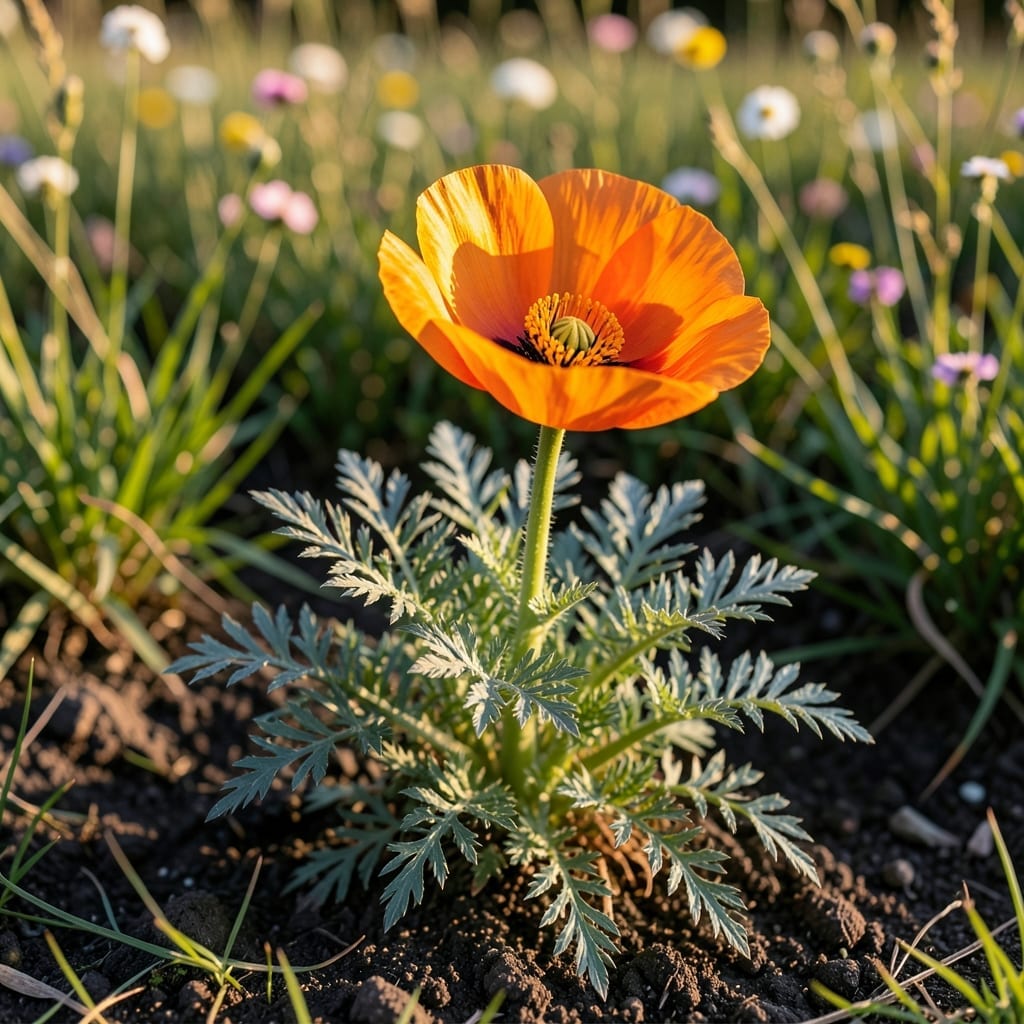
California poppies are typically perennial in their native warm climate but often grow as annuals in colder regions where they don’t survive winter frost.
In their native Mediterranean-like habitats, these flowers thrive year after year, but harsher winters halt their growth cycle. 🌟 I’ve noticed they self-seed prolifically, which means even in colder zones, they often reappear annually as if they were true perennials.
This adaptability makes them perfect for gardens with unpredictable weather patterns. Their resilience is one reason they’re so beloved by both beginner and seasoned gardeners.
💡 In This Article
The lifespan of California poppies hinges on their ability to survive winter conditions. In their native range—USDA zones 8-10—they thrive as perennials, with established plants regrowing from their taproots each spring. Their dormancy period during cooler months preserves energy for the next growing season. 🌟
In colder climates (zones 1-7), the story changes dramatically. These poppies cannot withstand temperatures below 20°F, causing the parent plant to die. However, their survival strategy involves prolific self-seeding. A single plant can produce hundreds of seeds that lie dormant in the soil, germinating when conditions improve.
This self-seeding behavior creates a fascinating illusion. Gardeners in colder regions often see new plants emerging each spring, mimicking perennial growth. The seeds require no stratification and can remain viable in the soil for 3-5 years, ensuring the species persists even without the parent plant. ⚡
The key difference lies in the root system. Perennial poppies develop deep taproots that store energy, while annual varieties focus on rapid growth and seed production. In marginal zones like 7-8, they may behave as short-lived perennials, surviving mild winters but succumbing to harsh freezes.
Soil temperature plays a crucial role in this adaptation. Seeds germinate best when soil reaches 60-70°F, which explains why they naturalize so well in regions with warm springs. This temperature trigger ensures new plants emerge when conditions are most favorable for survival. ✨
In USDA zones 8-10, they behave as perennials, regrowing each spring from their taproots. With proper care, established plants can thrive for 3-5 years or more in their native habitat.
In zones 1-7, the parent plants die in winter but often self-seed prolifically. This creates the appearance of perennial growth, with new plants emerging each spring.
Allow some flowers to mature and drop seeds naturally. Avoid heavy mulching and water sparingly. In marginal zones, add a 2-3 inch mulch layer in late fall to protect roots.
Yes, but they dislike transplanting. Start seeds in containers in early spring after frost danger passes. Move pots indoors before the first freeze to overwinter them.