
Beautiful Plants For Your Interior
Beautiful Plants For Your Interior
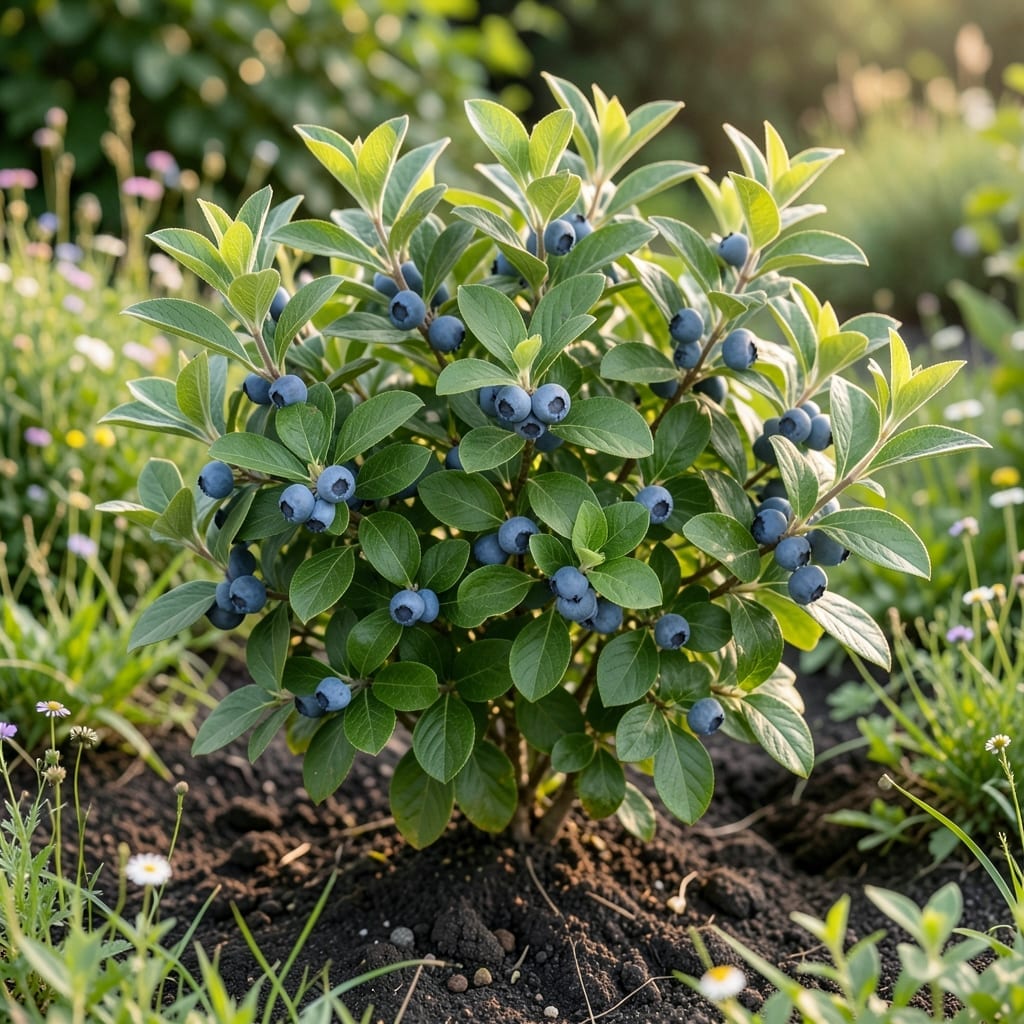
No, blueberries are not nightshades. They belong to the Ericaceae family, while nightshades like tomatoes and potatoes are part of the Solanaceae family.
This distinction matters for gardeners and those with dietary restrictions, as nightshades contain alkaloids that some people need to avoid. 🔥 I often explain that blueberries share their Ericaceae family with cranberries and azaleas, while nightshades group with peppers and eggplants. The genetic gap between these families is enormous, making any confusion purely visual.
💡 In This Article
The Ericaceae family (where blueberries belong) evolved in acidic, nutrient-poor soils, developing specialized traits. Their roots form symbiotic relationships with mycorrhizal fungi to absorb nutrients efficiently. This adaptation allows them to thrive where other plants struggle, particularly in bogs and heathlands with pH levels between 4.0-5.5. 🔥
Nightshades (Solanaceae) prefer neutral to slightly alkaline soils (pH 6.0-7.5) and have distinct defense mechanisms. Many produce toxic alkaloids like solanine in potatoes or capsaicin in peppers. Blueberries, however, rely on tannins and phenolic compounds for protection, which also contribute to their antioxidant properties.
Genetically, the two families diverged over 100 million years ago. Blueberry plants have simple, alternate leaves with serrated edges, while nightshades often display compound leaves or hairy stems. The flowers also differ dramatically: blueberries produce bell-shaped blossoms, whereas nightshades typically have star-shaped or trumpet-like flowers. ✨
From a gardener’s perspective, this means blueberries require peat-heavy soil amendments, while nightshades often grow well in standard garden soil. The berries develop from a single ovary (a true berry), while tomatoes and peppers are technically fruits with multiple seed cavities. These structural differences are visible even to the naked eye when comparing mature plants.
Nutritionally, blueberries contain anthocyanins (the pigments giving them their blue color), which have anti-inflammatory properties. Nightshades, on the other hand, are rich in vitamins A and C but may trigger sensitivities in some individuals due to their alkaloid content. This fundamental difference in biochemical composition further separates them. 💫
This confusion often comes from their similar berry shape and dark color. Nightshades like eggplants and some peppers can appear blue-purple when unripe, leading to visual mix-ups in gardens or grocery stores.
Blueberries are part of the Ericaceae family, which includes other acid-loving plants like cranberries and rhododendrons. This family thrives in poor, acidic soils unlike nightshades.
Yes, blueberries are generally safe as they contain no nightshade compounds. However, always consult your doctor, as cross-reactivity is rare but possible with any food.
Look for woody stems and bell-shaped flowers on blueberries. Nightshades often have fuzzy leaves and star-shaped blossoms, plus their fruits grow differently on the plant.