
Beautiful Plants For Your Interior
Beautiful Plants For Your Interior
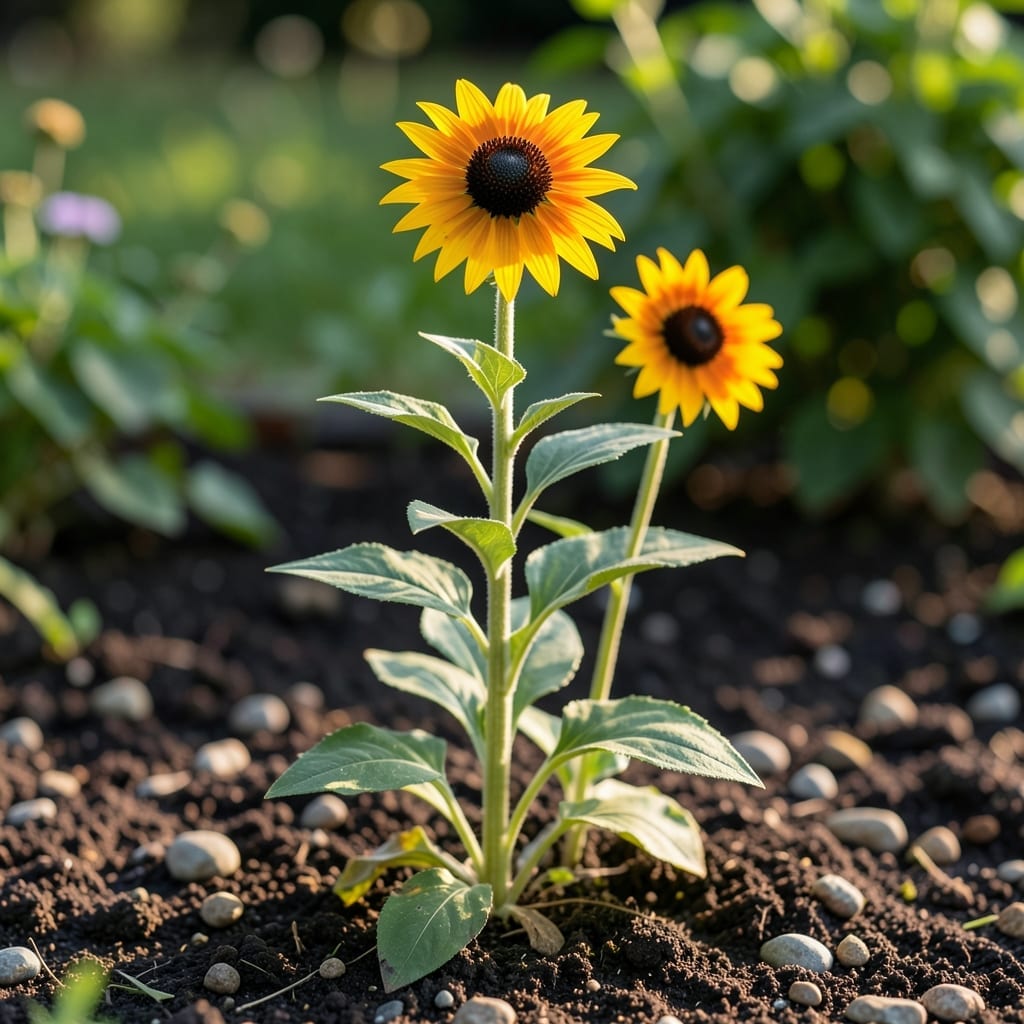
Black eyed Susan plants are typically perennials in USDA zones 4-9, returning yearly from the same roots. Some varieties may act as biennials or short-lived perennials in colder or warmer climates.
In my garden, I’ve noticed these cheerful flowers come back stronger each spring because their root systems store energy through winter dormancy. 🌟 This resilience makes them a favorite for low-maintenance landscapes. The classic Rudbeckia hirta often behaves as a short-lived perennial, while Rudbeckia fulgida reliably returns for years in ideal conditions.
💡 In This Article
The perennial nature of black eyed Susans stems from their fibrous root system, which forms a dense crown that stores carbohydrates and nutrients during dormancy. This energy reserve fuels regrowth in spring, allowing Rudbeckia fulgida varieties to return reliably for 3-5 years in optimal conditions.
The crown expands gradually, creating larger clumps each season through vegetative reproduction. 🌱
Seasonal growth follows a distinct pattern: roots establish deeply in the first year, then produce multiple flowering stems in subsequent years. In USDA zones 4-9, winter mulch protects the crown from freeze-thaw cycles that could damage the energy-storing tissues. The timing aligns perfectly with nature—new shoots emerge when soil temperatures reach about 50°F. 🌿
Rudbeckia hirta behaves differently, often acting as a biennial or short-lived perennial because its root system is less robust. This species completes its life cycle in 2-3 years, producing seeds that germinate to create new plants. Gardeners in zone 3 may find even hardy varieties struggle to survive harsh winters without protection. ❄️
The species’ adaptability shows in how different varieties respond to climate. Rudbeckia laciniata thrives in zones 3-9, while Rudbeckia maxima prefers warmer zones 5-9. This variation explains why the same plant might act as a perennial in one garden and a biennial in another, depending on local microclimates and soil conditions. 🌍
What makes the perennial varieties so reliable is their ability to form extensive root networks. These underground systems can spread 12-18 inches outward from the original plant, creating a self-sustaining colony. The deeper the roots grow in the first year, the more resilient the plant becomes to drought and temperature extremes in subsequent years. 💪
Most varieties return for 3-5 years in ideal conditions, with some spreading naturally. The classic Rudbeckia fulgida is the most reliable, while Rudbeckia hirta may only last 2-3 years before needing replacement.
In USDA zones 4-9, they reliably return. For zone 3, add a thick mulch layer in winter to protect the crown. Some varieties like Rudbeckia laciniata can survive down to zone 3 with proper care.
Yes, they can self-seed and spread via underground runners. The root system may expand 12-18 inches outward annually. This makes them great for naturalizing but may require division every 3-4 years.
Poor drainage, extreme cold without mulch, or overcrowding can prevent regrowth. Ensure soil isn’t waterlogged in winter and divide clumps before they become too dense.