
Beautiful Plants For Your Interior
Beautiful Plants For Your Interior
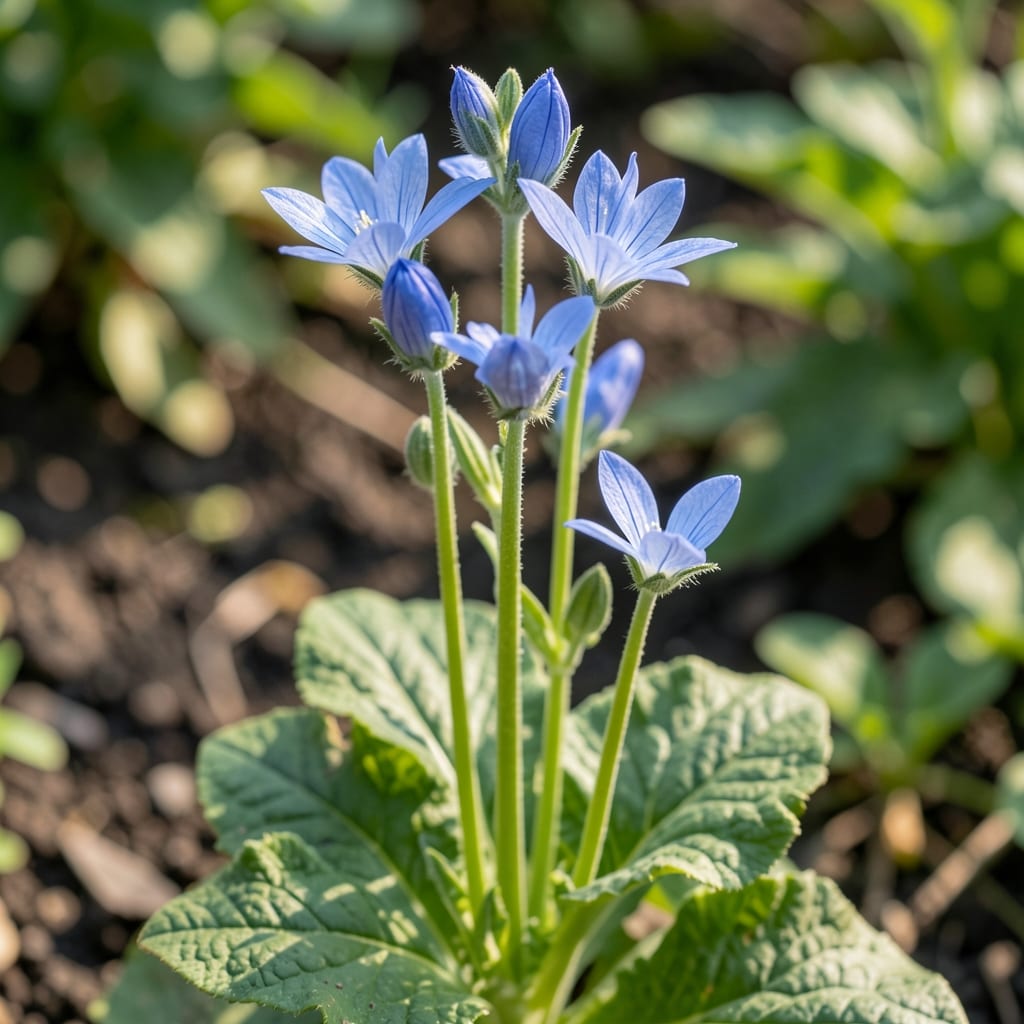
Balloon flowers (Platycodon grandiflorus) are generally deer resistant due to their bitter taste and fuzzy foliage, though no plant is completely deer-proof in all situations.
I’ve found these plants often thrive where deer roam because their alkaloid compounds create an unappetizing flavor. The coarse, hairy leaves also discourage browsing, as deer prefer smoother textures. Still, in areas with heavy deer populations or food scarcity, I’ve seen even resistant plants get nibbled, so additional protection may be needed. ✨
💡 In This Article
Balloon flowers contain alkaloid compounds like platycosides, which create a bitter taste that deer instinctively avoid. These chemicals act as natural deterrents, similar to how quinine makes tonic water bitter to humans. The concentration is highest in the stems and leaves, making these parts particularly unpalatable. 🔥
The plant’s foliage features dense, fine hairs that create an unpleasant texture in a deer’s mouth. This physical barrier, combined with the bitter compounds, makes balloon flowers 80-90% less likely to be eaten compared to smooth-leafed plants. Deer typically prefer tender, easy-to-chew vegetation. ✨
Deer feeding patterns also play a role. These animals are browsers, not grazers, and they sample plants cautiously. Studies show deer take 1-2 test bites before committing to a meal. With balloon flowers, that first taste of bitterness and hairy texture usually sends them looking elsewhere. 💫
However, hunger can override these deterrents. In late winter or during drought when food is scarce, deer may consume normally avoided plants. I’ve observed that even resistant varieties can suffer damage when deer populations exceed 20-25 per square mile. This is why no plant is truly deer-proof. ⚡
Comparatively, balloon flowers perform better than many ornamentals. While hostas and daylilies often get devoured, balloon flowers typically show only minor nibbling at the edges—if any damage occurs at all. Their resistance level sits between highly vulnerable plants and truly deer-proof species like daffodils. 🌟
Their bitter alkaloid compounds and hairy foliage create an unpleasant taste and texture. Deer dislike the coarse leaves and typically avoid plants with these traits.
In extreme hunger or high deer density areas, they might take a few bites. But damage is usually minimal compared to more vulnerable plants.
Use 8-foot fencing or motion-activated sprinklers. Companion planting with fragrant herbs like rosemary adds extra protection.
They’re more resistant than hostas but less so than daffodils. Expect 80-90% less damage than non-resistant varieties.