
Beautiful Plants For Your Interior
Beautiful Plants For Your Interior
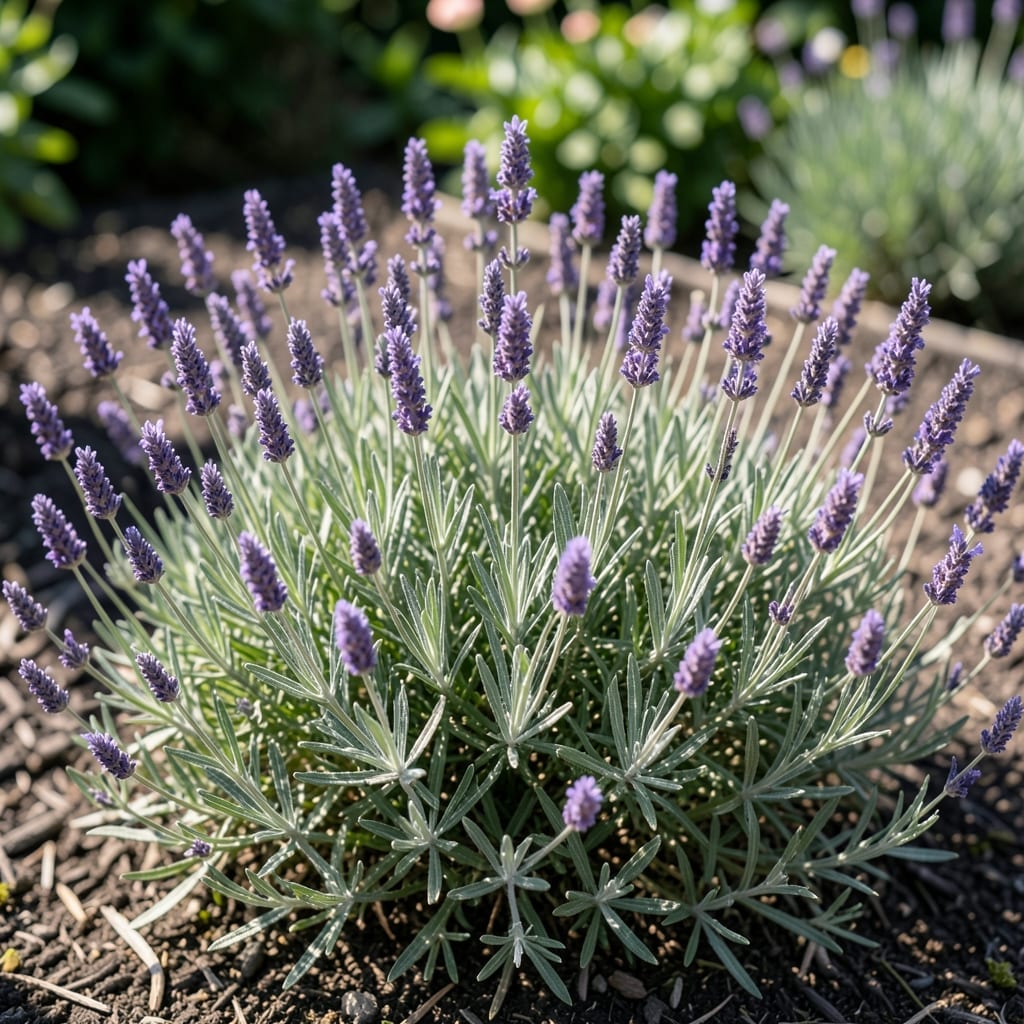
Struggling with deer ruining your garden? There’s a natural solution that’s as beautiful as it is effective. 🟣 Lavender stands out as a fragrant barrier deer naturally avoid.
I discovered how this hardy plant can transform a vulnerable garden into a deer-resistant oasis. Its strong scent and fuzzy leaves make it unappealing to wildlife while adding color and charm.
Let me show you how to use lavender and similar plants to protect your landscape without harsh chemicals. The results might surprise you.
If you’re battling deer in your garden, lavender is a top choice for natural protection. Its strong fragrance and fuzzy foliage deter deer while adding beauty and scent to your landscape.
I’ve found that not all lavender varieties are equally effective. Some stand out for their deer resistance, growth habits, and adaptability to different climates. Let me share the best options for your garden.
| Variety | Fragrance Level | Growth Habit | USDA Zones |
|---|---|---|---|
| English Lavender | Very Strong | Compact, 1-2 ft tall | 5-8 |
| French Lavender | Moderate | Bushy, 2-3 ft tall | 7-9 |
| Spanish Lavender | Strong | Dense, 1-2 ft tall | 6-9 |
English Lavender is my top pick for most gardens. It’s highly deer-resistant due to its intense fragrance and thrives in USDA zones 5-8. This variety is perfect for borders or mass plantings.
French Lavender offers a slightly different look with its taller growth and unique flower shape. While its scent is milder, deer still tend to avoid it. It’s ideal for warmer climates in zones 7-9.
Spanish Lavender is known for its dense foliage and early blooming. It’s a great choice if you want year-round deer protection in milder climates. The fuzzy leaves are particularly unappealing to deer.
For best results, plant lavender in full sun and well-draining soil. These conditions help the plants produce the strongest fragrance, which enhances their deer-repelling properties.
I recommend spacing plants 18-24 inches apart to create a solid barrier. This spacing allows for good air circulation while forming an effective deer-resistant hedge.
Remember that young lavender plants may need some protection until they establish their strong scent. Once mature, they’ll provide years of deer resistance with minimal care.
With these varieties, you can create a beautiful, fragrant garden that deer will naturally avoid. 🌿
Lavender’s natural deer resistance comes from its strong fragrance and fuzzy foliage. These traits make it unappealing to deer while adding beauty to your garden. I’ve seen firsthand how effective it can be as a natural barrier.
The plant’s aromatic oils are particularly potent, creating a scent barrier that deer instinctively avoid. This makes lavender an excellent choice for gardens in deer-prone areas without using chemicals. 🌿
🌱 Pro Tip: Plant lavender along garden borders or around vulnerable plants. The stronger the scent, the more effective it is at repelling deer. For best results, plant in full sun and well-draining soil to maximize fragrance production.
To enhance lavender’s deer-repellent effect, I recommend regular pruning. This encourages bushier growth and more foliage, which increases the scent output that deer dislike so much.
Another effective strategy is to plant in groups. A cluster of lavender creates a stronger scent barrier than isolated plants. I’ve found that 5-7 plants spaced closely together work particularly well.
Remember that young lavender plants may need temporary protection until they establish their full fragrance. Once mature, they’ll provide years of natural deer protection with minimal maintenance.
Lavender also thrives in drought conditions, making it a low-maintenance solution for deer-prone areas. Its ability to deter deer while requiring little care makes it a garden superstar. 🌻