
Beautiful Plants For Your Interior
Beautiful Plants For Your Interior
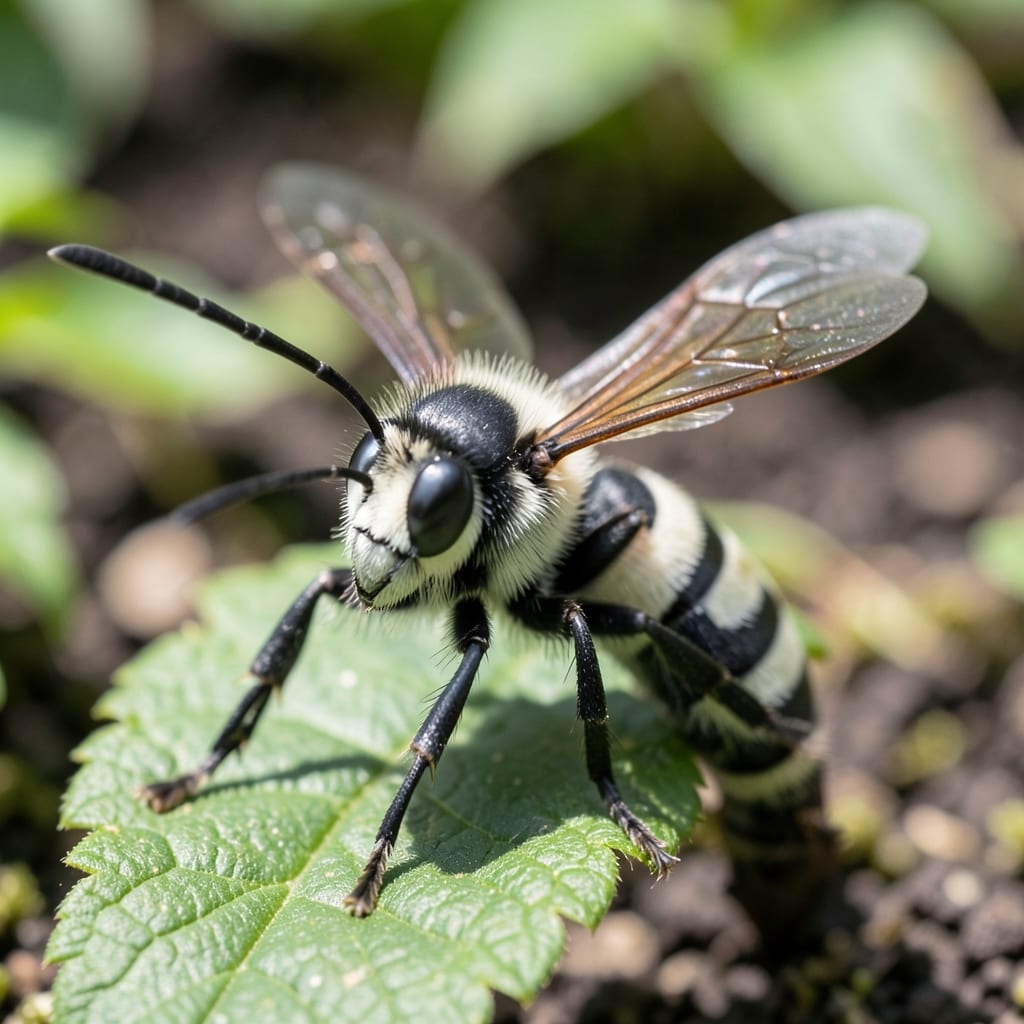
Bald-faced hornets are highly defensive and can be aggressive when threatened, delivering painful stings repeatedly. They attack in large numbers if their nest is disturbed.
I’ve learned these insects protect their colonies with intense loyalty, often perceiving vibrations or sudden movements as threats. Their sting packs a punch because it contains a special venom that can trigger allergic reactions in some people.
Unlike bees, they can sting multiple times without dying, which makes them particularly formidable when agitated. 🔥
💡 In This Article
The biological drive behind their aggression is nest protection. These hornets build intricate paper nests housing 100-400 workers, and every individual is hardwired to defend it. The queen’s survival depends on this collective defense, triggering a swarm response to perceived threats. This isn’t random aggression—it’s a calculated colony preservation strategy. 🔥
Social hierarchy plays a key role too. Worker hornets release alarm pheromones when threatened, signaling others to attack. Studies show they can detect vibrations from 10-15 feet away, responding to disturbances with remarkable precision. Their smooth stingers allow multiple stings without self-harm, unlike honeybees.
Territorial instincts kick in during late summer when colonies peak at 500+ individuals. At this stage, food sources become scarce, heightening their defensiveness. I’ve observed they’re particularly aggressive near nests in trees, shrubs, or under eaves—areas they consider high-value real estate. The closer you get, the more intense their response becomes. ⚡
Unlike solitary wasps, bald-faced hornets operate as a superorganism. When one attacks, others follow within seconds. Their venom contains acetylcholine, which intensifies pain and triggers a stronger immune response than typical bee stings. This chemical cocktail explains why their stings feel particularly potent.
Environmental factors amplify their aggression. Warm temperatures (75-85°F) increase their activity levels, while nest disturbances during these conditions often provoke the most violent reactions. They’re also more aggressive in the afternoon when foraging activity peaks. 💫
They can sense vibrations from 10-15 feet away. This range makes them highly alert to movement near their nests, triggering a swift defensive response.
They release alarm pheromones when threatened, signaling the colony to swarm. This collective defense protects the queen and nest, making them far more dangerous than solitary wasps.
They’re most active during warm afternoons, especially at 75-85°F. Foraging peaks then, and nest disturbances can provoke stronger reactions.
Yes, their smooth stingers let them sting repeatedly without dying. This makes encounters more dangerous compared to bees.