
Beautiful Plants For Your Interior
Beautiful Plants For Your Interior
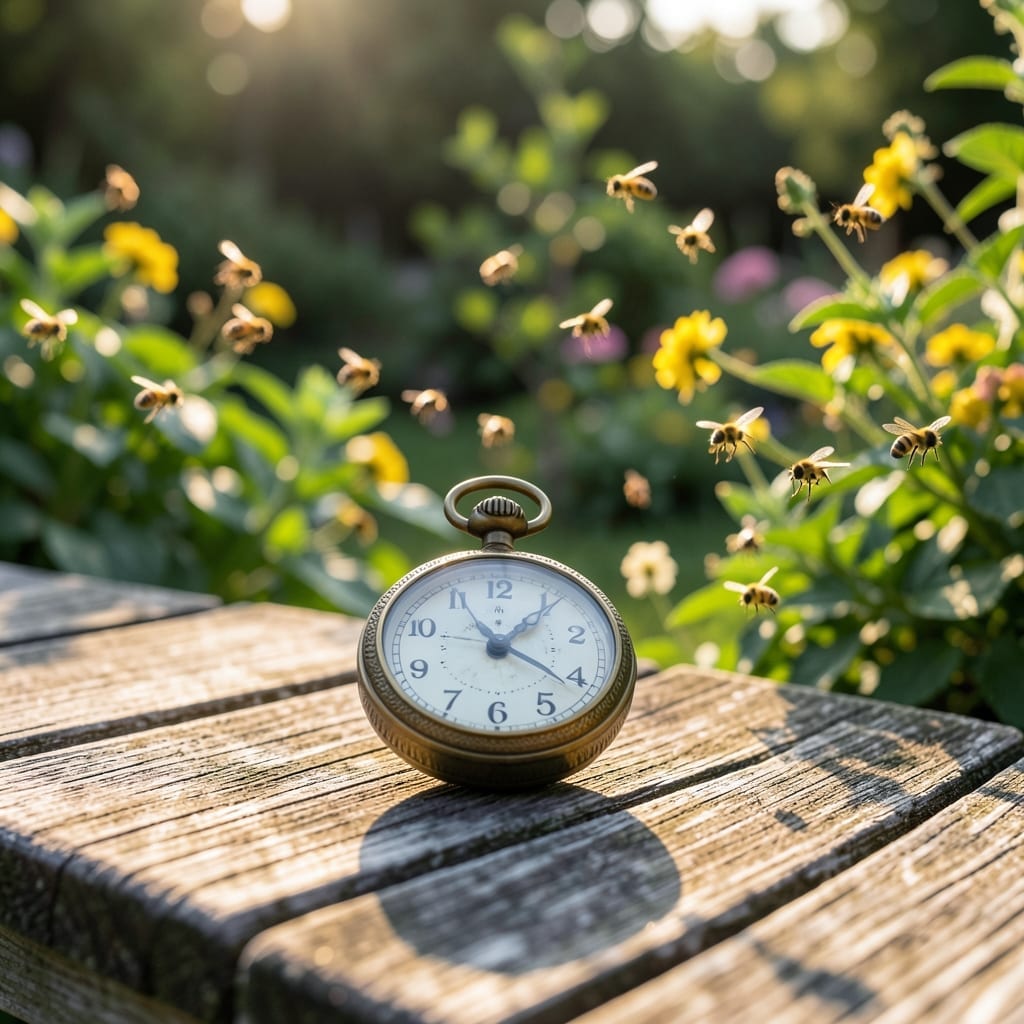
Yellow jackets are most active during daylight hours, especially between late morning and early evening when temperatures are warmest and they search for food.
I notice these insects ramp up their foraging as the sun climbs higher, with peak energy between 10 AM and 4 PM. Their metabolism kicks into high gear in warmth, making midday the riskiest time for encounters. This pattern aligns with their role as social hunters, scouring for proteins and sugars to feed their colonies. 🔥
💡 In This Article
These wasps are ectothermic, meaning their body temperature depends on the environment. They become sluggish below 50°F and thrive between 70-90°F, which explains their midday surge. Sunlight also triggers their circadian rhythms, signaling them to leave the nest and forage for proteins and carbohydrates to sustain their colonies. 🔥
Their foraging behavior peaks when flowers release the most nectar and prey insects are active. Yellow jackets scavenge aggressively during these times, targeting picnics, trash cans, and fruit trees. Studies show their metabolic rate increases by 40% in warm, sunny conditions, driving them to search more intensely for food sources.
Queen yellow jackets lay up to 250 eggs daily in summer, requiring constant food delivery. Worker wasps work in shifts, but the bulk of foraging happens when temperatures and light are optimal. This ensures the colony’s rapid growth and energy demands are met efficiently. ✨
Unlike nocturnal insects, yellow jackets rely on visual cues to navigate and hunt. Their compound eyes detect movement best in bright light, making dawn and dusk less productive for them. Wind patterns also play a role—calm, warm afternoons allow them to fly farther and faster without expending excess energy.
You’ll notice their activity drops sharply after 5 PM as temperatures cool. They return to their nests to regurgitate food for larvae and queens, preparing for the next day’s cycle. This predictable pattern helps humans time outdoor activities to avoid conflicts. 💫
No, yellow jackets are diurnal and become inactive after sunset. They return to their nests at dusk and remain there until morning, when temperatures rise again.
Their metabolism peaks between 10 AM and 4 PM due to warm temperatures and high food demand. This makes them more defensive of food sources and nests.
Yes, they become sluggish below 50°F and stop foraging. Activity resumes when temperatures climb back into the 70-90°F range.
Yes, they’re less active before 10 AM when temperatures are cooler. This is the best time for gardening or picnics to avoid encounters.