
Beautiful Plants For Your Interior
Beautiful Plants For Your Interior
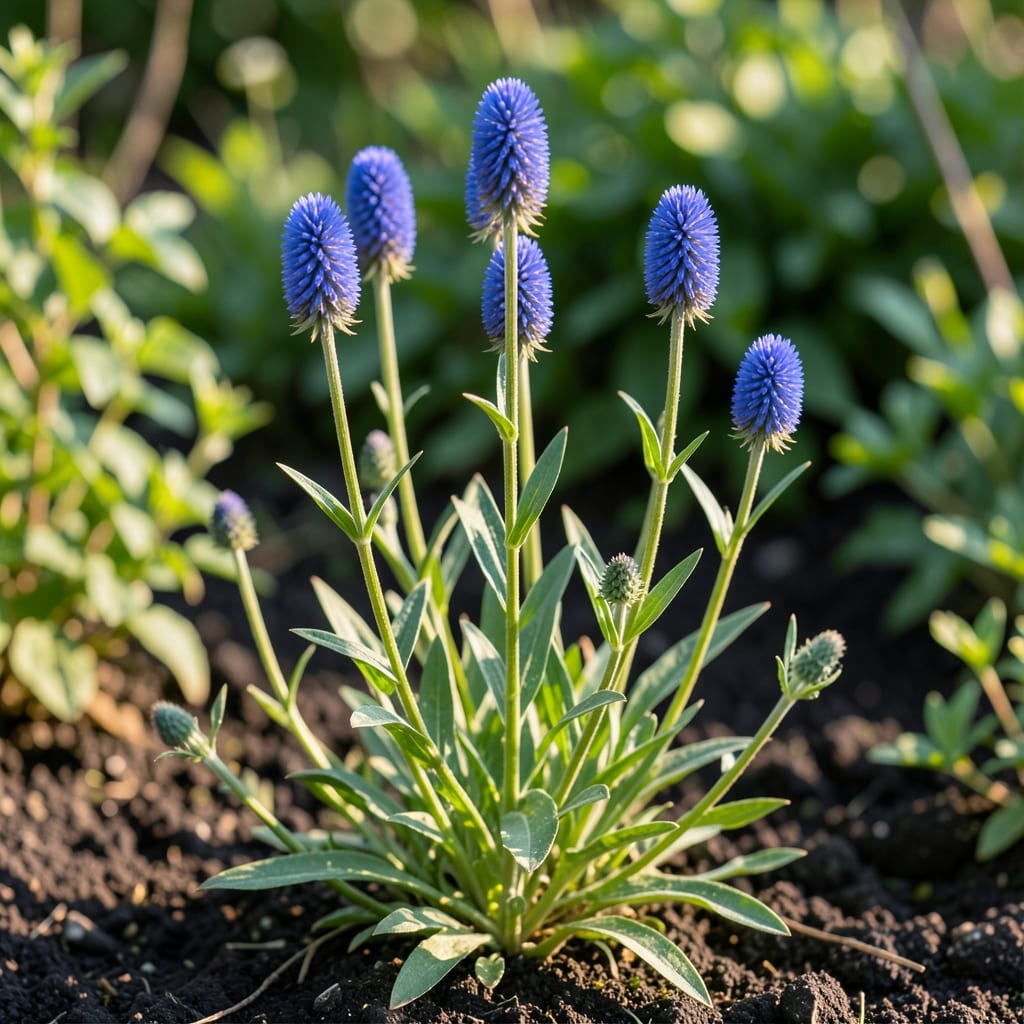
Bachelor buttons are typically annuals, completing their life cycle in one growing season, though they often self-seed to reappear the following year.
What makes these flowers interesting is their ability to mimic perennial behavior through prolific self-seeding. I’ve watched them drop seeds in late summer that sprout the next spring with zero effort on my part. This natural reseeding gives the illusion of a returning plant, though technically each new specimen is a fresh annual. Gardeners often exploit this trait to maintain continuous blooms year after year. ✨
💡 In This Article
Botanically classified as Centaurea cyanus, bachelor buttons are true annuals in the Asteraceae family. Their life cycle completes in a single season, from germination to seed production, typically within 60-90 days. Unlike perennials that regrow from existing roots each year, annuals like bachelor buttons must reproduce entirely from seed each growing season. 🌟
What sets them apart is their aggressive self-seeding mechanism. Each mature plant can produce hundreds of seeds that scatter across the soil as the flower heads dry. These seeds remain dormant through winter, then germinate when soil temperatures reach about 50-60°F in spring, mimicking the behavior of perennial plants.
This natural reseeding creates the illusion of returning plants. ✨
The seeds themselves have a remarkable survival strategy. They can lie dormant in the soil for up to 5 years, waiting for optimal conditions. When they do sprout, the new plants often appear in clusters around the parent plant’s location from the previous year.
This clustering effect is why many gardeners mistakenly believe they’re dealing with spreading perennials rather than new annual growth.
True perennials, by contrast, maintain living root systems through winter dormancy. Bachelor buttons lack this ability—their roots die completely with the first hard frost. The only way they “return” is through the seeds they’ve left behind.
This distinction is crucial for garden planning, as it means you’ll need to allow some flowers to go to seed if you want them to reappear naturally. 💫
In cooler climates (USDA zones 3-7), this self-seeding behavior is particularly pronounced. The seeds require a period of cold stratification to break dormancy, which naturally occurs during winter.
In warmer zones (8-10), you might need to manually collect and refrigerate seeds for 4-6 weeks to achieve the same effect, as the natural winter chill may be insufficient.
As annuals, they complete their full life cycle in 60-90 days. They germinate, bloom, produce seeds, and die within a single growing season.
They self-seed prolifically, dropping seeds that germinate the next spring. This creates the illusion of returning plants, though each is technically a new annual.
They prefer 6-8 hours of full sun daily. While they may tolerate partial shade, you’ll get fewer blooms and weaker stems.
Leave some spent blooms on the plants until late summer. The seeds will naturally scatter, ensuring next year’s flowers.