
Beautiful Plants For Your Interior
Beautiful Plants For Your Interior
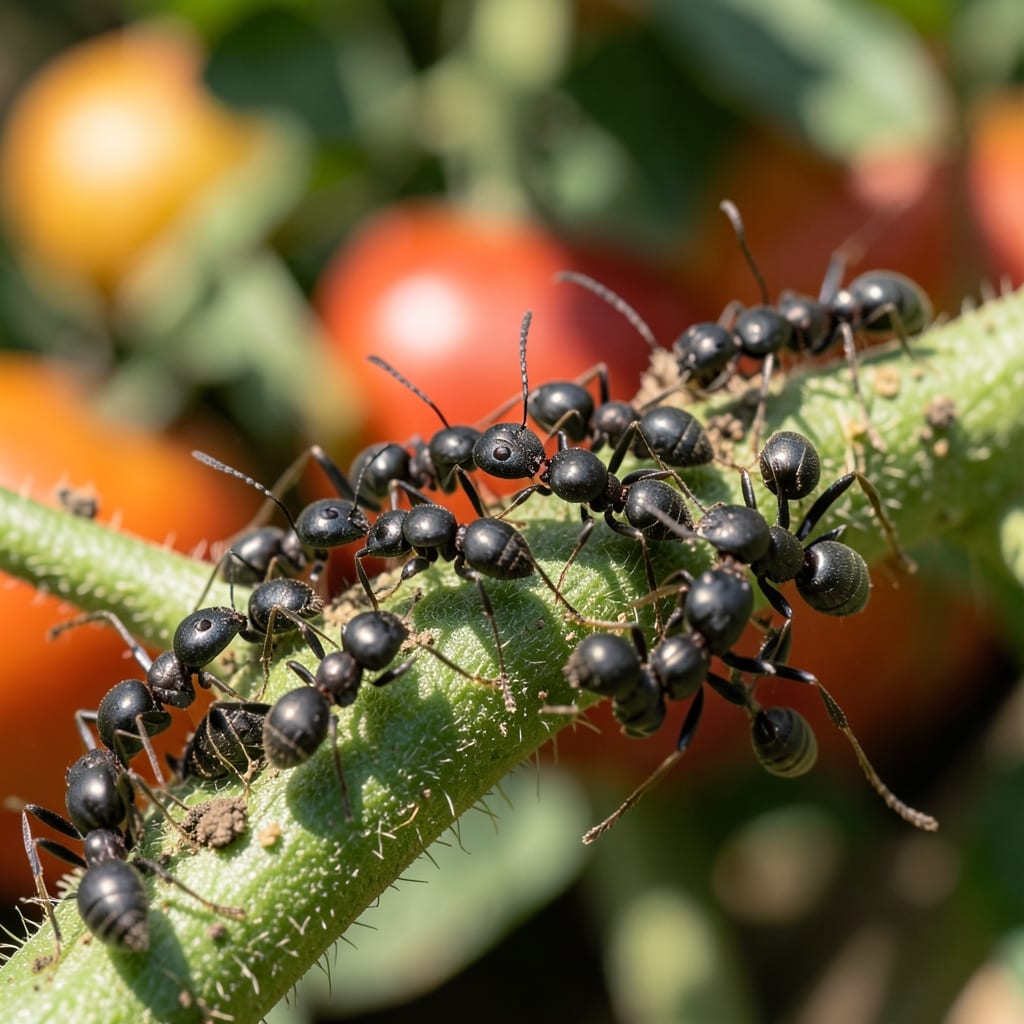
Ants can benefit gardens by aerating soil and controlling pests, but they may also protect harmful insects like aphids or disrupt plant roots with large colonies.
I’ve seen firsthand how their tunneling improves soil structure, allowing water and nutrients to reach deeper layers. However, their protective relationship with aphids can turn them into indirect pests, as they guard these sap-sucking insects for their honeydew. 🔥
Balancing their presence means appreciating their ecological role while monitoring for signs of overpopulation.
💡 In This Article
These tiny engineers play a crucial role in soil health by creating extensive tunnel networks. A single ant colony can move 50 tons of soil per acre annually, which dramatically improves aeration and water drainage.
This natural tilling brings nutrients to the surface while allowing roots to penetrate deeper, often increasing plant growth by 10-20% in well-balanced ecosystems. 🔥
Their predatory habits also serve as natural pest control. Ants consume or remove thousands of pest eggs and larvae daily, targeting caterpillars, termites, and other soft-bodied insects. Studies show gardens with moderate ant activity experience 30-40% fewer pest outbreaks compared to ant-free plots. Their constant patrolling disrupts pest life cycles before they can establish.
However, their symbiotic relationship with aphids creates a significant downside. Ants “farm” aphids by protecting them from predators in exchange for honeydew—a sugary substance the aphids excrete. This relationship allows aphid populations to explode by 5-10 times normal levels, leading to curled leaves, stunted growth, and the spread of plant diseases through their feeding. ✨
Large colonies near plant roots can also cause physical damage. Their tunneling may expose and dry out delicate root systems, particularly in seedlings or shallow-rooted plants.
In extreme cases, fire ants can girdle young stems by chewing through the bark, while carpenter ants excavate wood in garden structures or mulch, creating 1-2 inch wide galleries that compromise stability.
Within the garden food chain, ants occupy a unique middle position. They serve as prey for birds, toads, and beneficial insects while also preying on smaller creatures. This dual role helps maintain biodiversity but can become unbalanced when ant populations explode due to abundant food sources or lack of natural predators. 💫
Yes, ants improve soil by tunneling, which aerates the earth and helps water and nutrients reach plant roots. A single colony can move 50 tons of soil per acre annually, boosting plant growth by 10-20%.
Ants “farm” aphids for their honeydew, a sugary substance aphids produce. This protection allows aphid populations to grow 5-10 times normal, harming plants by curling leaves and stunting growth.
Watch for 20+ ants on a single plant, wilting despite proper watering, or visible aphid clusters. Large colonies near roots may also expose and dry out delicate root systems.
Use a 1:1 vinegar-water spray to disrupt trails or create barriers with diatomaceous earth. For aphid issues, introduce ladybugs—they’ll reduce the ants’ food source naturally.