
Beautiful Plants For Your Interior
Beautiful Plants For Your Interior
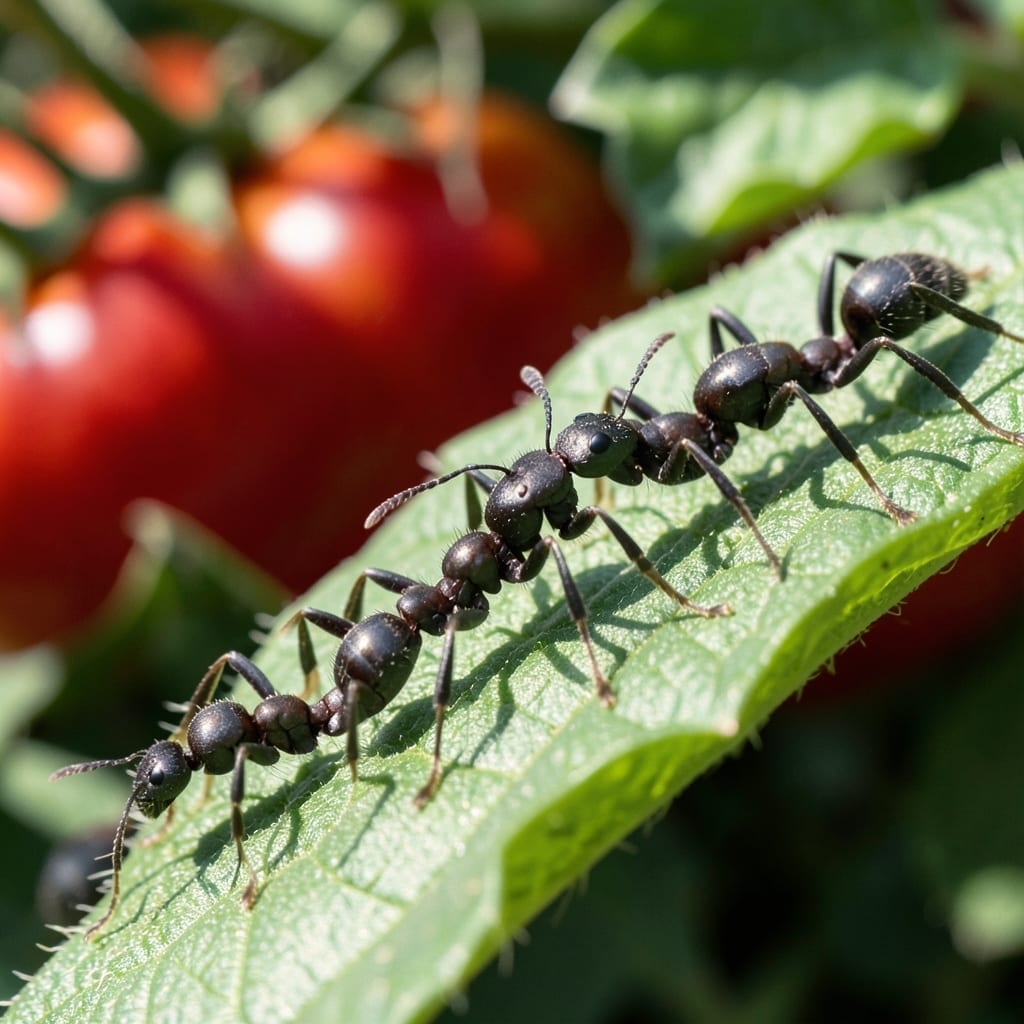
Ants are generally beneficial in gardens as they aerate soil, control pests, and decompose organic matter, but large colonies can protect harmful insects like aphids or disrupt plant roots.
I’ve seen firsthand how these tiny workers improve soil structure by tunneling, which helps water and air reach plant roots more effectively. They also act as natural pest controllers, preying on caterpillars and other garden nuisances. However, their protective behavior toward aphids for honeydew can create imbalances. 🔥
💡 In This Article
Ants are nature’s tiny soil engineers, creating intricate tunnel networks that improve soil structure. Their constant movement breaks up compacted earth, allowing air and water to penetrate deeper. This natural aeration boosts root growth and helps prevent waterlogging, making your garden more resilient during heavy rains. 🔥
These insects also act as natural pest controllers, hunting down and consuming eggs, larvae, and soft-bodied insects like caterpillars. A single ant colony can eliminate thousands of garden pests daily. Their predatory behavior reduces the need for chemical pesticides, creating a more balanced ecosystem. ✨
Ants play a crucial role in nutrient cycling by breaking down organic matter. They transport dead insects, leaves, and other debris to their nests, where decomposition accelerates. This process enriches the soil with nitrogen and other essential nutrients, effectively acting as natural fertilizers. 🌟
Their seed-dispersal habits further benefit gardens, as ants carry seeds back to their nests while foraging. Many wildflowers and plants have evolved to attract ants with nutritious appendages called elaiosomes. This relationship helps increase plant diversity and fills bare spots in your garden naturally. ⚡
Studies show ant activity can increase soil organic carbon by up to 25% in some ecosystems. Their constant movement also helps distribute beneficial microbes throughout the soil profile, improving overall soil health and plant vitality. 💫
They aerate soil by tunneling, which improves water and air flow to roots. Ants also hunt pest insects like caterpillars and break down organic matter, naturally fertilizing your soil.
Watch for ant trails leading to aphid clusters or wilting plants despite watering. Mounds near plant bases or visible damage to stems are red flags.
Fire ants and carpenter ants are the biggest threats. Fire ants attack roots while carpenter ants damage wooden structures.
Yes! Try diatomaceous earth barriers or sticky traps around plants. Targeted bait stations work for severe cases without chemicals.