
Beautiful Plants For Your Interior
Beautiful Plants For Your Interior
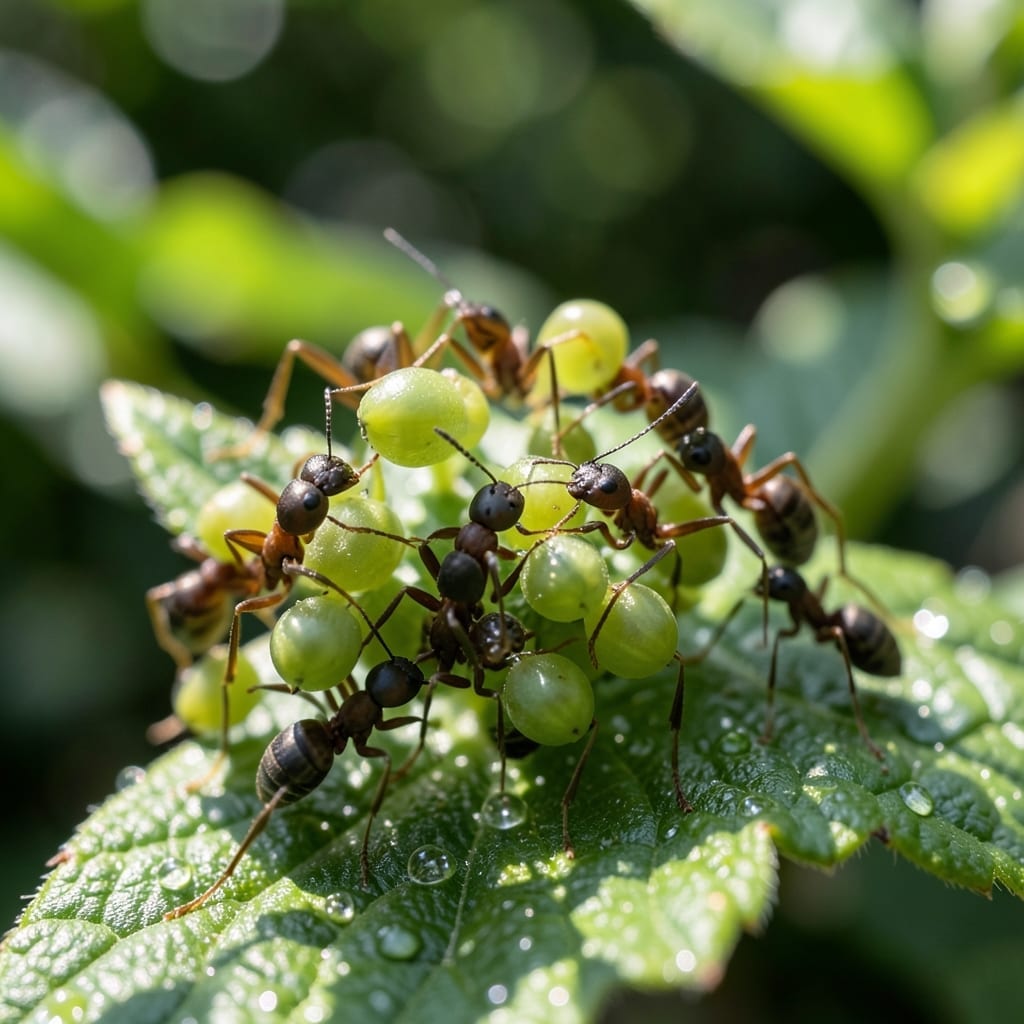
Ants and aphids share a mutualistic bond where ants protect aphids from predators in exchange for honeydew, a sugary substance the aphids secrete after feeding on plant sap.
I find this partnership fascinating because it’s a classic example of nature’s give-and-take. 🔥 The ants act as bodyguards, fending off ladybugs and other predators that might harm the aphids, while the aphids provide a steady food source. This relationship can actually boost aphid populations, which is why gardeners often spot clusters of aphids with ants nearby.
💡 In This Article
Aphids pierce plant phloem to extract nutrient-rich sap, which contains up to 20% sugars. They process this efficiently but excrete excess as honeydew—a sticky, carbohydrate-packed liquid. Ants harvest this like a renewable resource, sometimes collecting from 100+ aphids per minute in dense colonies. 🔥
In return, ants deploy aggressive defense tactics. Studies show they can reduce aphid predation by 50-90%, attacking ladybug larvae, parasitic wasps, and even other ants. Some species like Lasius niger build soil shelters or carry aphids to safer plants when threatened. This protection allows aphid populations to grow 2-3x faster than unguarded colonies. ⚡
The relationship runs so deep that some aphid species have evolved to “call” ants when disturbed. They release chemical signals from their cornicles that summon ant guardians within seconds. Meanwhile, ants have been observed “milking” aphids by stroking their abdomens to stimulate honeydew production—behavior remarkably similar to human dairy farming. 💫
Biologically, this symbiosis gives ants a reliable food source without the energy cost of hunting. For aphids, it provides safety and even mobility—some ant species will transport aphid eggs to new host plants in spring.
The partnership is so beneficial that 75% of aphid species have at least one ant associate, with some forming exclusive bonds with specific ant species. ✨
What’s particularly fascinating is the co-evolution visible in this relationship. Certain aphid species have developed larger honeydew droplets when ants are present, while some ants have specialized storage organs to carry more liquid. This mutual adaptation demonstrates how deeply intertwined these species have become over millions of years of evolution. 🌟
Ants collect honeydew, a sugary liquid aphids excrete after feeding on plant sap. This provides a reliable, energy-rich food source for the ant colony without hunting.
Ants protect aphids from predators like ladybugs and parasitic wasps, often reducing predation by 50-90%. Some ants even build shelters or transport aphids to safer plants when threatened.
Yes, it can. Ants herding aphids often lead to larger aphid infestations, which damage plants by sucking sap and spreading diseases. Monitor leaves for clusters of aphids with ants nearby.
Apply sticky barriers like Tanglefoot around stems to block ants. Introduce ladybugs or lacewings at dusk when ants are less active. A 1:10 ratio of predators to aphids works best.